


A Buyer’s Guide To Choosing The Right Replacement Window Screens


Torn mesh larger than a few inches, a bent or detached frame, and screens that no longer sit flush in the track are the clearest signs a window screen needs full replacement rather than a patch. Aluminum mesh typically outlasts fiberglass mesh – roughly 12-20+ years versus 8-15 years – but sun exposure, pets, and storm damage can shorten either material’s service life well before that range is up. OKNOPLAST Pleated and SLIDE screens clip into the existing window or patio door frame, so replacing a worn screen means ordering a new screen assembly, not swapping the full window or door system.
Key Takeaways:
- Six signs point to full replacement over a patch: holes or tears, a bent or broken frame, a warped screen that no longer sits flush, sun-related brittleness and discoloration, and mesh so obscured you can’t see through it clearly.
- Aluminum mesh generally outlasts fiberglass mesh – roughly 12-20+ years versus 8-15 years – based on independent industry lifespan data, though coastal salt air and heavy UV exposure shorten both.
- A single small, clean tear away from the frame edge is usually repairable; multiple tears, a torn or pulled-loose frame channel, or damage near a corner is not.
OKNOPLAST Pleated and SLIDE screens mount within the existing aluminum frame and clip system, so most replacements swap the mesh and screen assembly rather than the window or door unit itself. - Brushing off debris regularly and an annual soap-and-water rinse are the two maintenance steps that do the most to extend screen life between replacements.
- Uneven tension at installation, worn-out spline, and small accumulated frame impacts – a ball, a leaned ladder, a twisted corner – are the three leading causes of a screen failing well before its material’s typical lifespan.
- Pressing gently along the frame edge is a quick diagnostic: if it rocks or lets light through, the frame is the real problem, not the mesh.

6 Signs Your Window Screen Needs Replacing
Six signs reliably signal that a window screen needs full replacement rather than a repair: torn mesh, a bent or detached frame, a warped or ill-fitting screen, sun-related brittleness, loss of visibility, and persistent gaps despite cleaning. Each sign points to a different failure mode, and recognizing which one is happening determines whether a patch will actually hold or whether it’s time to order a new screen.
Holes and Tears: Small, isolated holes can sometimes be patched, but once tears become numerous or start to run – spreading from a snag rather than staying contained – the mesh has passed the point where patching is worth the effort. A tear near a corner or frame edge is a stronger signal to replace, since that’s also where the mesh is most likely to keep pulling loose.
Bent or Broken Frames: The frame holds the mesh under tension; once it’s bent, warped, or cracked, the mesh loses that tension and the screen no longer seats securely in the track. A loose screen can bang in the wind and leaves gaps at the edges for insects and water – replacing the full screen is more reliable than trying to straighten a damaged frame.
Warped or Ill-Fitting Screens: A screen that no longer sits flat against the frame opening – bowing, twisting, or leaving a visible gap on one side – has usually warped from heat, moisture, or repeated pressure. Once it doesn’t seat flush, air, insects, and moisture pass around the mesh regardless of how intact the mesh itself still is.
Sun Damage and Discoloration: UV exposure breaks down mesh coatings over years, and a screen that has visibly grayed, yellowed, or gone brittle to the touch has lost tear resistance even where it looks intact. Brittle mesh tends to crack rather than flex under normal handling, which is a sign the material is at the end of its service life.
Loss of Visibility: If the mesh is torn, sagging, or coated in enough grime that you can’t see clearly through it, the screen is no longer doing its job – clouded or obstructed mesh is as much a functional failure as a hole, even without a visible tear.
Persistent Gaps Despite Cleaning: A screen that lets in insects or drafts even after cleaning and reseating in the track usually has an underlying fit or tension problem – frame, mesh, or both – that cleaning alone won’t fix.
What Causes Premature Screen Failure?
Uneven tension during installation, spline (the rubber or vinyl cord that holds the mesh in the frame channel) drying out or losing grip, and small impacts to the frame are the three most common causes of a screen failing well before its material’s typical lifespan. Any one of these can make a screen look fine on day one and start sagging, gapping, or tearing within a season or two, well ahead of normal wear.
Mesh pulled too tight or unevenly during installation carries hidden strain that shows up later as sagging, wrinkling, or a tear that starts at a stress point rather than at a snag. Frame impacts are often small and easy to miss in the moment. A ball hitting the screen, a ladder leaned against the frame for painting, a corner twisted while removing the screen for cleaning – each one is minor on its own, but they accumulate. A frame that’s slightly out of square forces the mesh to twist to follow it, producing sag in one area and excess tension in another, even on mesh that’s otherwise in good condition.
A quick way to tell whether a frame is the real problem: press gently along the frame edge where it meets the window opening. If it rocks, flexes, or you can see daylight where it should sit flush, the frame – not the mesh – is likely driving the issue, and a mesh-only repair won’t resolve it.

Types of window screens available
Repair vs. Replace: When Patching Isn’t Worth It
A single small, clean tear located away from the frame edge is usually a reasonable candidate for a patch or spline repair, while multiple tears, corner damage, or a torn frame channel generally is not. The decision comes down to whether the damage is isolated to the mesh or has started affecting how the screen seats in the frame – once the frame or fit is compromised, a mesh-only patch won’t resolve the underlying gap.
| Condition | Repair | Replace |
|---|---|---|
| Single small tear, mid-panel | Yes – patch or spline repair | |
| Multiple tears or a spreading run | Yes | |
| Tear at a corner or frame edge | Yes – fit is likely compromised | |
| Bent or cracked frame | Yes | |
| Mesh intact but discolored/brittle | Yes – tear resistance already reduced |
Cost is usually the deciding factor when damage falls in a gray area: patch kits and spline are inexpensive, but a screen that needs patching twice in one season is signaling it’s due for full mesh replacement anyway. For OKNOPLAST Pleated and SLIDE screens specifically, the mesh and frame are ordered as a matched assembly rather than field-spliced, so a damaged section typically means replacing that screen panel rather than patching it in place.
Checking Screens After a Storm
Wind-driven debris and hail are common causes of sudden screen tears and bent frames that show up as a single storm event rather than gradual wear, so it’s worth a dedicated screen check after any significant wind or hailstorm even if the windows themselves look fine. Walk the exterior and check each screen for fresh tears, punctures, or a frame that’s newly bent or pushed loose from the track – storm damage tends to be localized to the side of the house that faced the wind, so screens on that side deserve the closest look.
A screen that survived the storm intact but is now sitting loosely in its track may have been jarred rather than damaged outright; reseating it and checking for a secure fit is enough in that case. Photographing any storm-related tears or bent frames before repair or replacement is worth doing if the damage is significant enough that it might factor into a homeowner’s insurance claim alongside other storm damage to the property.
How Long Do Window Screens Last?
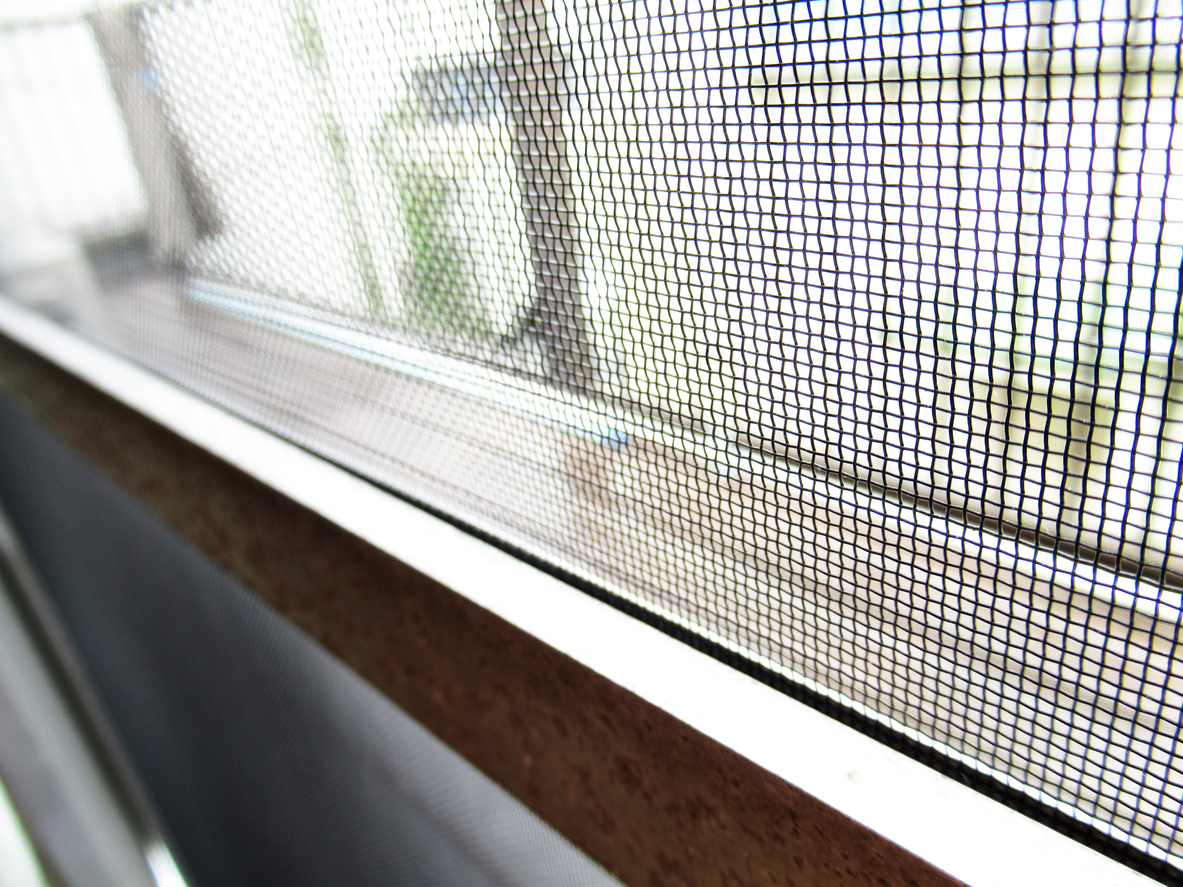
Aluminum mesh typically outlasts fiberglass mesh, with a service life of roughly 12-20+ years compared to 8-15 years for standard fiberglass, based on independent industry lifespan data – though both figures assume moderate climate exposure and basic maintenance. Coastal salt air, intense UV exposure, and heavy pet use all shorten these ranges, sometimes significantly, regardless of which mesh material is installed.
A full breakdown of mesh types, mesh count, and material tradeoffs – including pet-resistant and solar screen options – is covered in our window screen buyer’s guide. The short version for replacement timing: if a screen is approaching the upper end of its material’s typical range, or showing any of the six signs above, it makes sense to replace proactively rather than wait for a hole to force the issue.
Inspecting Your OKNOPLAST Pleated and SLIDE Screens
Inspecting an OKNOPLAST Pleated or SLIDE screen means checking two different things: for Pleated, debris or grit in the track that makes the accordion-style fold stick; for SLIDE, whether both panels still meet cleanly at the center rail. OKNOPLAST Pleated screens fold accordion-style within an aluminum frame track, and the most common issue is debris or grit causing the pleat to stick rather than damage to the mesh itself. SLIDE screens divide into two panels on a side-sliding track, and a gap or overlap where the panels meet usually points to a track alignment issue rather than a failed screen.
Both systems mount within OKNOPLAST’s clip-based frame, matched in color to the window or patio door – available in 5 standard finishes (winchester, golden oak, nut-brown, mahogany, and white). Because the frame and mesh are ordered as a matched assembly for these systems, replacement is a straightforward swap within the existing track rather than a full window or door replacement.
Maintenance Tips to Extend Screen Life
Brushing off dirt and debris a few times a year and rinsing with mild soap and water annually are the two maintenance steps that do the most to extend screen life between replacements. Regular debris removal prevents grit from working into the mesh weave and abrading it over time, while an annual rinse clears the buildup that accelerates UV-related brittleness in fiberglass mesh specifically.
Beyond cleaning, confirming the screen is seated correctly in its track or clips prevents the kind of chronic misalignment that leads to premature warping – a screen under uneven tension wears faster than one seated flush. A brief visual check each season, looking for the six signs above, catches most issues while they’re still a simple mesh swap rather than a fit problem that requires reordering the full assembly.
FAQ
A single small, clean tear away from the frame edge is usually repairable with a patch or spline; multiple tears, corner damage, a bent frame, or a screen that no longer sits flush in the track means full replacement.
Aluminum mesh typically lasts 12-20+ years and fiberglass mesh typically lasts 8-15 years under moderate climate conditions with basic maintenance, though coastal salt air, intense sun, and pets can shorten either range.
Aluminum mesh generally outlasts fiberglass mesh, based on independent industry lifespan data, since it doesn’t degrade from UV exposure the way fiberglass coatings do over time.
Yes, if the tear is small, clean, isolated, and located away from the frame edge. Multiple tears, a spreading run, or any tear near a corner usually means the fit is compromised and patching won’t hold.
Graying or yellowing indicates UV degradation of the mesh coating, which reduces tear resistance even where the screen still looks intact – it’s a sign the material is nearing the end of its service life, not just a cosmetic issue.
No, both systems mount within the existing aluminum frame and clip system, so replacing a worn screen is a mesh-and-frame swap within the existing track rather than a full window or patio door replacement.
Brush off debris a few times a year and rinse with mild soap and water annually – these two habits do the most to prevent the grit buildup and UV-related brittleness that shorten screen life.
Persistent gaps despite cleaning usually point to an underlying fit or tension problem in the frame or mesh, not a cleanliness issue – check whether the screen is seated flush in its track before assuming the mesh itself has failed.
Uneven mesh tension during installation, worn or degraded spline, and small accumulated impacts to the frame are the three leading causes of premature failure. Any one of them can make a screen sag, gap, or tear well ahead of its material’s typical lifespan.
Press gently along the frame edge where it meets the window opening. If it rocks, flexes, or lets light through, the frame is likely the issue, and a mesh-only repair won’t fix it.
Yes, wind-driven debris and hail commonly cause sudden tears and bent frames, so it’s worth checking each screen after significant wind or hail even if the windows themselves look undamaged – damage tends to be worst on the side of the house that faced the storm.
OKNOPLAST screens come in 5 standard colors – winchester, golden oak, nut-brown, mahogany, and white – matched to the finish of the window or patio door frame.




Let’s talk about your project!
Request a quote, discuss specifications, or get help choosing the right system
Send a request
"*" indicates required fields