


5 Practical Benefits of Installing Bifold Doors
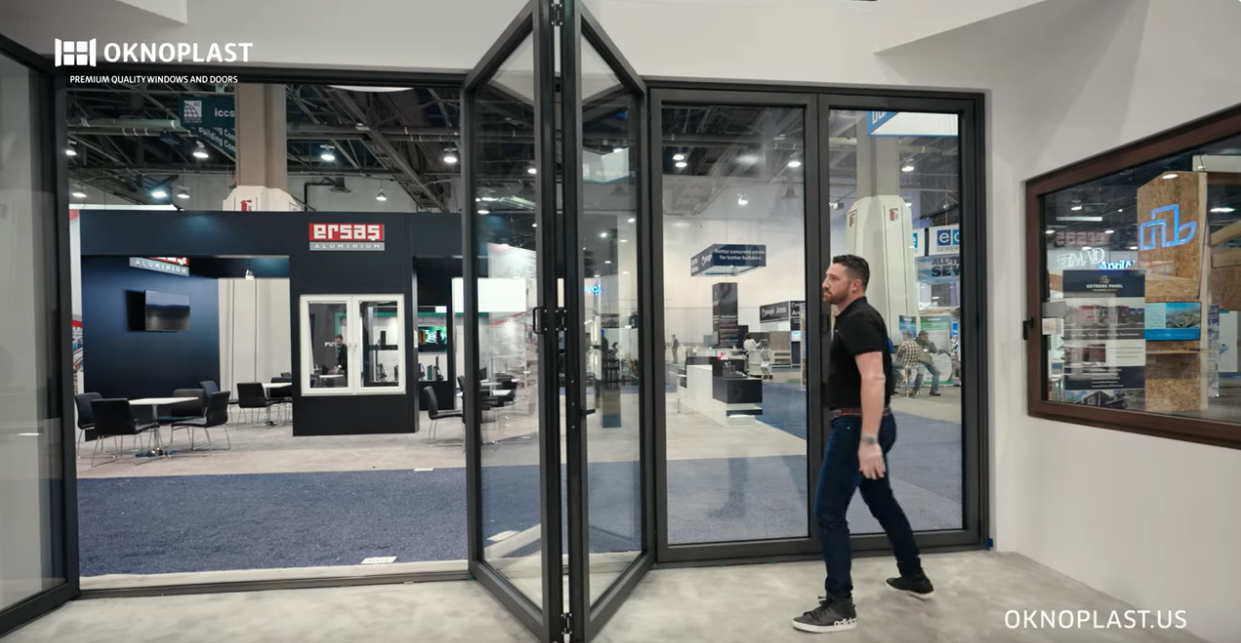

Bifold doors continue to gain popularity among homeowners seeking to seamlessly connect their indoor and outdoor spaces. While they offer several practical advantages, they’re not the perfect fit for every home. In this article, we’ll explore five realistic benefits of bifold doors, followed by a quick look at their downsides, and a note on sliding doors as a possible alternative.
- More natural light, even when closed
- Better use of indoor and outdoor space
- Unmatched garden access
- Flexible response to changing weather
- Custom configurations for real life
- The drawbacks you should be aware of
- Sliding doors: a smart alternative worth exploring
- FAQ
Key Takeaways:
- Learn the five biggest advantages of bifold doors, from maximizing natural light to creating wide, seamless access to your garden or patio.
- See how bifolds improve space efficiency indoors and outdoors, with panels that fold neatly to the side instead of swinging out.
- Understand customization options like traffic doors, glazing upgrades, and frame finishes that adapt to your lifestyle and climate.
- Get a realistic view of drawbacks, including cost, maintenance, and thermal performance, plus when sliding doors may be the smarter alternative.
1. More natural light, even when closed
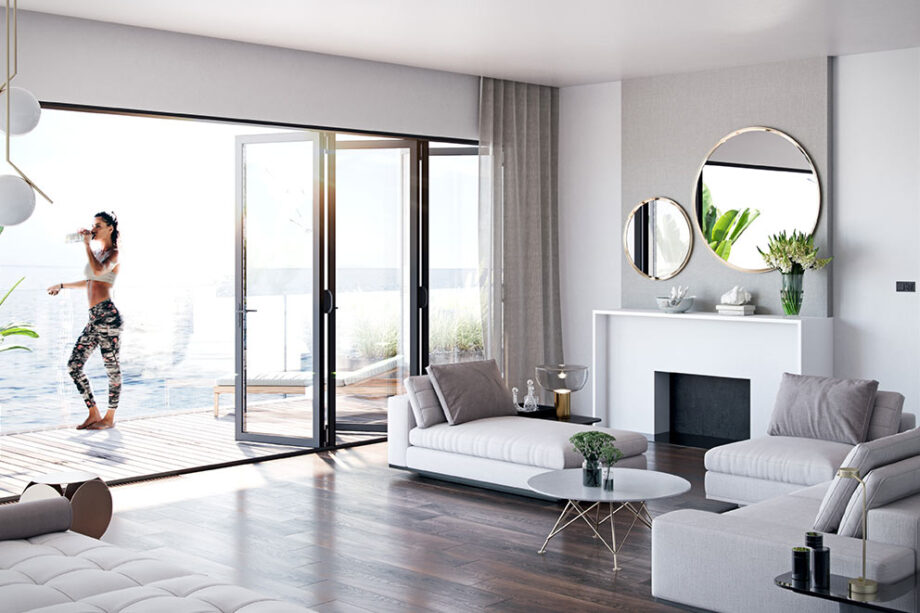
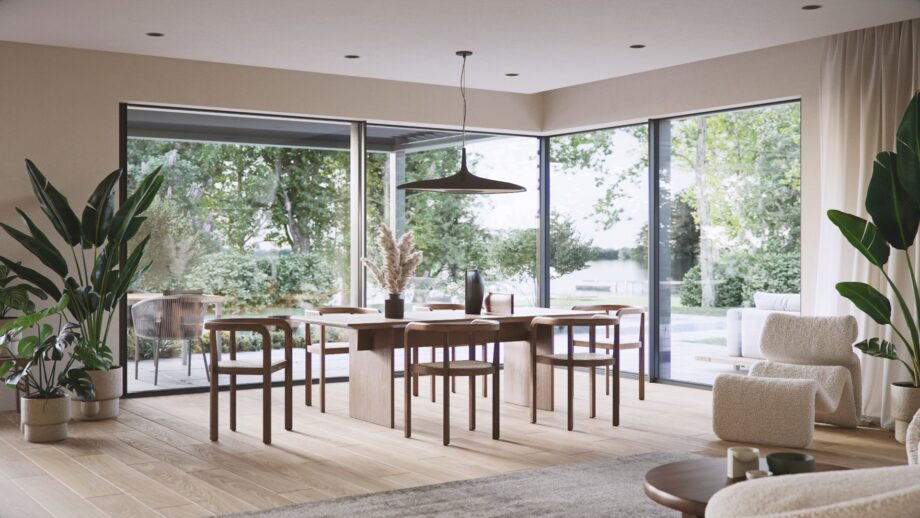
One of the most noticeable changes after installing bifold doors is the amount of daylight they bring in. Large glazed panels, often spanning from floor to ceiling, brighten entire rooms, even with the doors shut.
Slim aluminum frames, some as narrow as 40mm, maximize glass surface and minimize visual barriers, creating a clean, uninterrupted view. This effect is especially valuable in north‑facing spaces or during darker months, when natural light makes interiors feel warmer and more inviting.
The boost isn’t just aesthetic; studies show natural light supports well‑being and makes rooms like garden extensions feel like a true bridge between indoors and outdoors.
2. Better use of indoor and outdoor space
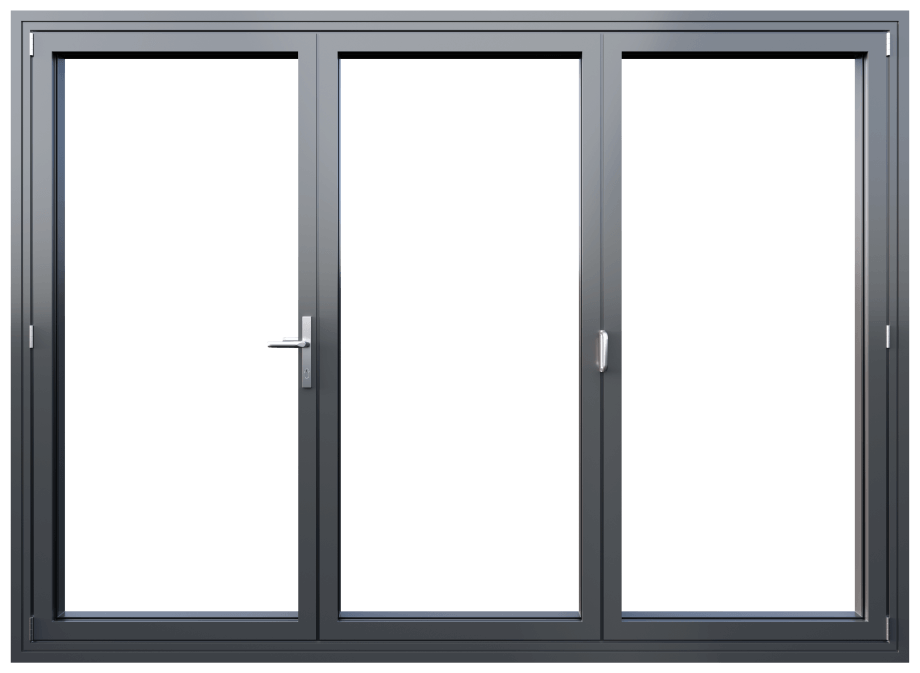
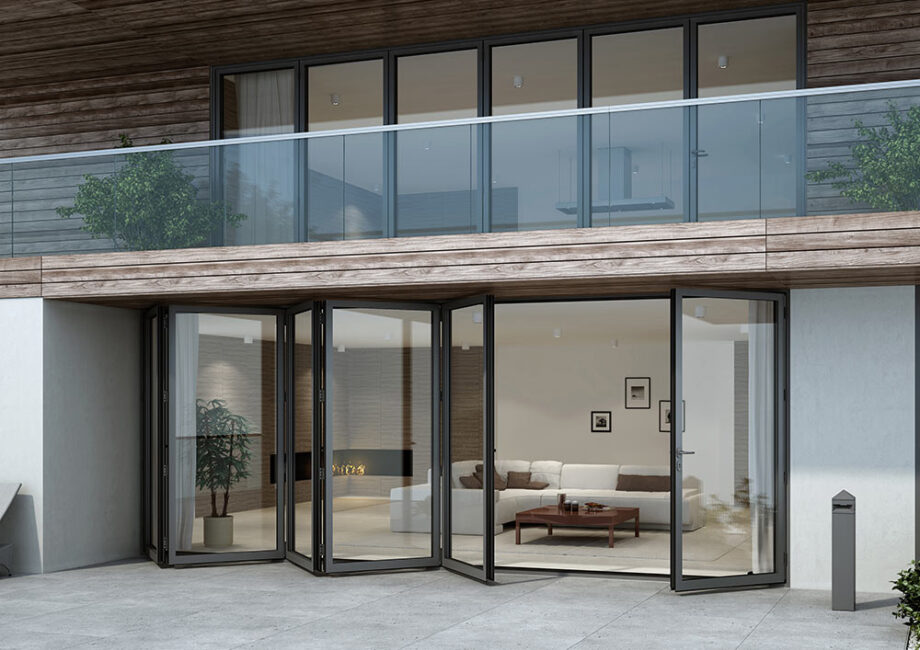
If space efficiency is a concern, bifold doors are hard to beat. Unlike hinged doors found in typical French patio door openings, which need clearance to swing, bifold panels fold and stack neatly to the side, typically occupying only 10–15% of the total span.
That efficiency allows you to furnish rooms closer to the opening without blocking circulation. Outdoors, patios and decks stay usable because there’s no outward swing to contend with. The result: greater flexibility in arranging both interior and exterior living areas.
3. Unmatched garden access
For homeowners who want a seamless connection to the outdoors, bifold doors are hard to beat. They can open up an entire wall, creating an unobstructed passage to a garden, terrace, or patio.
This kind of access is ideal for entertaining, moving large items in and out, or just enjoying the summer air. Many systems even include a handy traffic door, a single hinged panel you can use every day without opening the full set. Paired with a low threshold, the design creates a smooth transition that’s easy to walk through and reduces trip hazards.

It’s no surprise these doors are so popular in restaurants, where wide openings make indoor‑outdoor spaces feel connected and alive. The same idea translates beautifully at home. If you have a garden kitchen, an outdoor bar, or a grilling area, bifold doors make it effortless to open everything up and enjoy that expansive, airy feel.
4. Flexible response to changing weather
Weather can be unpredictable, and bifold doors make it easy to adapt. On warm days, you can open them wide for fresh air; when rain rolls in, they close quickly to shelter everyone indoors.
Because the glass spans remain expansive even when shut, you maintain a visual connection to outside greenery during colder, wetter months. That year‑round sense of openness is one of the subtle benefits that helps justify their popularity.
5. Custom configurations for real life
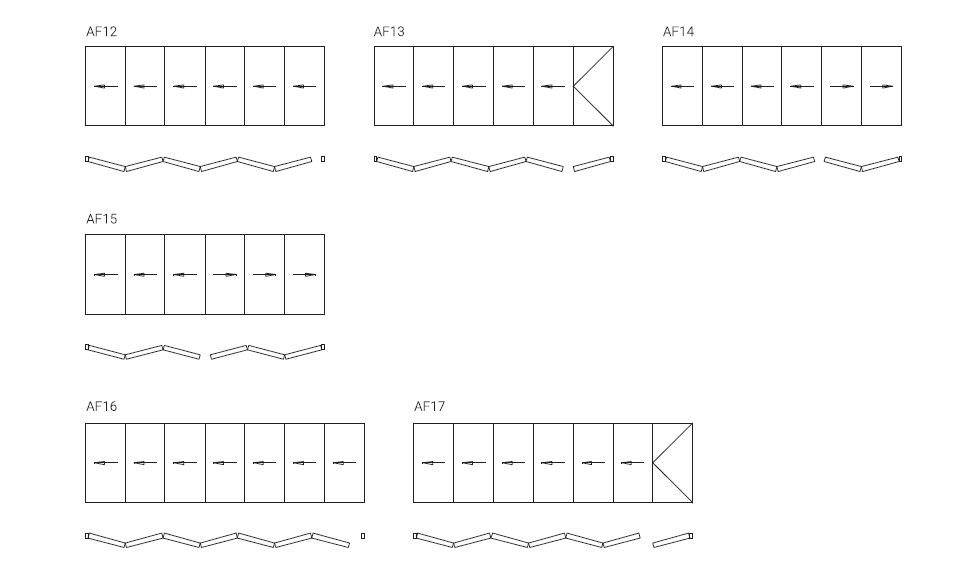
Bifold doors aren’t a one‑size solution, and flexibility is a major part of their appeal. Available in many widths and panel configurations, they can be built for anything from modest openings to full‑width garden walls.
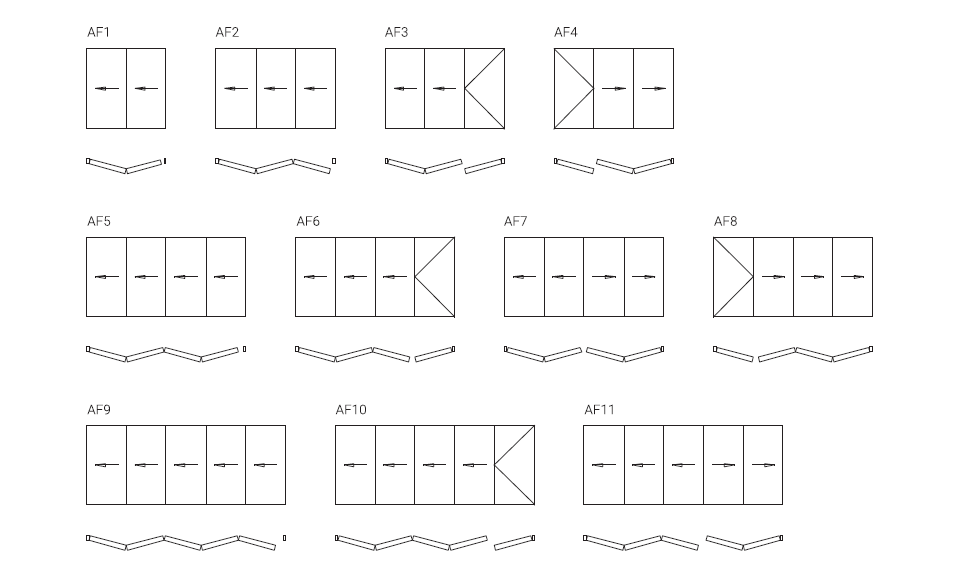
Traffic doors add convenience for everyday use, while finishes such as triple glazing or thermally broken aluminum provide upgraded insulation in harsher climates. A wide palette of frame colors and handle designs ensures the system integrates smoothly with your home’s architecture.
The drawbacks you should be aware of
As with any major installation, there are trade‑offs to weigh before committing:
- Weather resistance: Multiple track channels and seals require regular maintenance, and exposure to heavy wind or rain may impact operation.
- Thermal performance: Even with advanced glazing, bifolds won’t insulate as well as a solid wall, which can modestly raise heating costs in winter.
- Cost: Premium aesthetics and engineering come at a price; bifolds are typically more expensive than patio or French doors, especially at larger sizes or with aluminum and triple‑glazed options.
Sliding doors: a smart alternative worth exploring
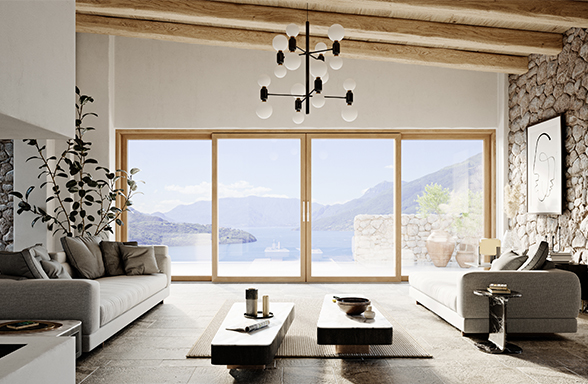
If you like the openness and clean look of bifold doors but worry about their drawbacks, sliding doors can be an excellent alternative. Large glass panels deliver the same bright, expansive feel, but with fewer moving parts and slimmer sightlines.
Meet our sliding doors
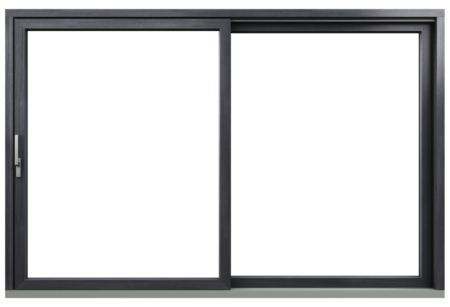

Because they slide rather than fold, sliding systems are often better sealed against drafts and moisture, and they can outperform bifolds in thermal efficiency. Modern designs can handle wide openings with low thresholds, so you still get the sense of connection to the outdoors, without some of the compromises that folding doors bring.
FAQ
They can increase a home’s value by 5–10%. Their sleek design, ability to bring in more light, and smooth indoor–outdoor flow appeal to buyers. Energy efficiency and space-saving functionality also make homes with bifold doors sell faster and at higher prices.
Well-made bifold doors with thermal breaks, multi-chamber frames, and double or triple glazing improve insulation and reduce heat loss. With U-values around 1.1–1.4 W/m²K or lower, they help raise ratings, cut energy bills, and make homes more attractive to energy-conscious buyers.
Aluminum is the most durable and low-maintenance option, ideal for slim modern frames. uPVC is cheaper and easy to maintain. It’s also durable, making it a great choice for long-term value.
Let’s talk about your project!
Request a quote, discuss specifications, or get help choosing the right system
Send a request
"*" indicates required fields