


Triple Pane in Tilt and Turn Windows – Facts and Myths


Triple pane windows are showing up in more energy-focused remodels, and interest in Tilt and Turn systems is rising with them. Homeowners want clearer answers: how triple glazing actually performs, where it makes the biggest difference, and whether it adds complications to tilt and turn hardware.
This article separates facts from myths—summer heat, frame weight, sound control—and gives a practical take on when triple glazing is worth it.
- Do triple pane windows reduce heat in summer?
- Are triple pane windows too heavy for standard frames?
- Best choice for soundproofing — are triple pane windows worth it?
- When triple glazing is (and isn’t) worth the upgrade
- Final thoughts
Key Takeaways:
- Triple pane windows can improve comfort, but performance depends more on low-E coatings, SHGC, and orientation than on “three panes” alone.
- Modern Tilt and Turn frames handle the added glass weight with reinforced profiles and rated hardware- smooth operation isn’t compromised when specified correctly.
- Noise reduction is strongest when triple glazing is paired with asymmetrical glass thicknesses and acoustic laminates, not just the extra pane.
- Triple pane is most worthwhile in cold climates, noisy sites, or high-performance homes; in mild zones or shaded elevations, well-specified double pane may be just as effective.
Do triple pane windows reduce heat in summer?
Triple pane units cut conductive heat flow and, when paired with low-E coatings and argon/krypton gas fills, they also lower the amount of solar heat that enters a room. In practice, summer comfort depends less on “three panes” and more on which low-E (and the final U-value) you choose, the window’s orientation, and local climate.
What actually controls summer heat
- Low-E & SHGC: Choose a low-SHGC coating on sun-exposed elevations to reflect infrared heat and reduce cooling load.
- Gas fills & spacing: Argon/krypton reduce conduction and help keep interior glass temperatures steadier.
- Orientation & shading: South/west façades benefit most from solar-control coatings and exterior shading.
OKNOPLAST glazing packages in PIXEL and PAVA pair triple panes with low-E coatings to manage summer heat gain while preserving daylight. The key is selecting the right SHGC for each elevation – a well-specified double pane can perform similarly to triple in some warm zones, but triple glazing often adds comfort by keeping interior glass surfaces cooler.
Are triple pane windows too heavy for standard frames?
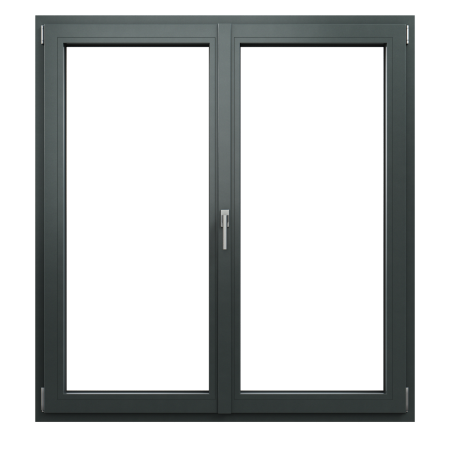
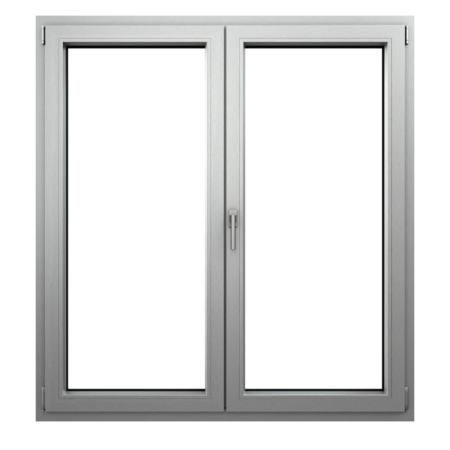
Triple pane glass is heavier, but modern Tilt and Turn systems are built for it. uPVC frames like PAVA use internal steel reinforcement, and aluminum systems like MIRU EVO Hidden use rigid, thermally broken profiles. When the sash size, reinforcement, and hinge set are matched correctly, the window tilts and turns smoothly.

The real variable is specification, not the third pane. Hardware (hinges, locking points) must be rated for the sash weight, and installation has to keep the frame plumb and square so seals compress evenly.
Best choice for soundproofing — are triple pane windows worth it?
Window sound control comes down to three things: glass build (mass, asymmetrical thicknesses, and acoustic laminates), frame + seals (rigid profiles with continuous gaskets and strong compression), and installation (tight perimeter sealing so noise can’t leak around the unit). Tilt and Turn windows help here because multi-point locking pulls the sash evenly into the seals.

Here is an interesting fact. Triple pane can deliver better noise reduction—when specified for acoustics. The extra lite and air space add mass and damping, but the real gains come from pairing triple glazing with asymmetrical glass thicknesses and at least one acoustic laminated pane. In practice, that combination outperforms standard double glazing and keeps voices, traffic, and low-frequency rumble at bay.
When triple glazing is (and isn’t) worth the upgrade
Triple pane makes the most sense when insulation or noise control is a priority. It improves comfort near the glass, helps stabilize room temperature, and—when specified with acoustic laminates—cuts outside noise. But it isn’t a must for every project.
Best candidates for triple pane
- Cold climates or large north/west exposures: better insulation and less winter chill near the glass.
- Noisy sites: near traffic, rail, airports—pair triple with acoustic laminate and asymmetrical thicknesses.
- High-performance goals: Net Zero, Passive House–style targets, or all-electric homes focused on load reduction.
- Bedrooms and offices: spaces where quiet and stable temperatures matter most.
When high-performance double pane can be enough
- Mild climates: a tuned low-E with the right SHGC can hit comfort and code goals without the extra weight.
- Shaded elevations: deep overhangs or trees already limit solar gain; prioritize frame quality and air-seal.
- Smaller openings or tight budgets: invest in better installation, air sealing, and hardware before stepping up to triple.
Check the NFRC label (U-factor, SHGC, air leakage), consider orientation, noise level, and room use, then price the upgrade against your energy and comfort goals. In Tilt and Turn systems, triple glazing pairs well with strong compression seals and multi-point locking—so if your priorities match the list above, it’s usually a solid upgrade.
Final thoughts
Triple pane delivers real gains—cooler glass in summer with the right low-E/SHGC, warmer interiors in winter, and strong noise reduction. Weight isn’t the blocker; reinforced Tilt and Turn frames with rated hardware handle triple glazing when sized and installed correctly.
For more practical guidance, explore our blog for deep dives on Tilt and Turn benefits, ventilation and security setups, and real project case studies.
FAQ
Triple glazing in OKNOPLAST windows can cut U-values from about 1.0–1.3 W/m²K (double glazing) down to 0.57–0.8 W/m²K. Advanced models like PIXEL reach as low as 0.16 W/m²K, meeting passive house standards
uPVC or thermally broken aluminum frames combined with warm-edge spacers deliver the best results. Spacer width (around 16mm) and argon or krypton gas fills further improve insulation. Conventional aluminum spacers reduce efficiency.
Most states follow IECC or ASHRAE standards, which require Low-E coatings and argon-filled glazing. Colder zones often push for triple glazing. Some states, like California or Massachusetts, use stricter “stretch codes” that demand even lower U-values.


Let’s talk about your project!
Request a quote, discuss specifications, or get help choosing the right system
Send a request
"*" indicates required fields