


Tilt and Turn Windows vs Awning Windows – 5 Reasons To Go With Tilt and Turn
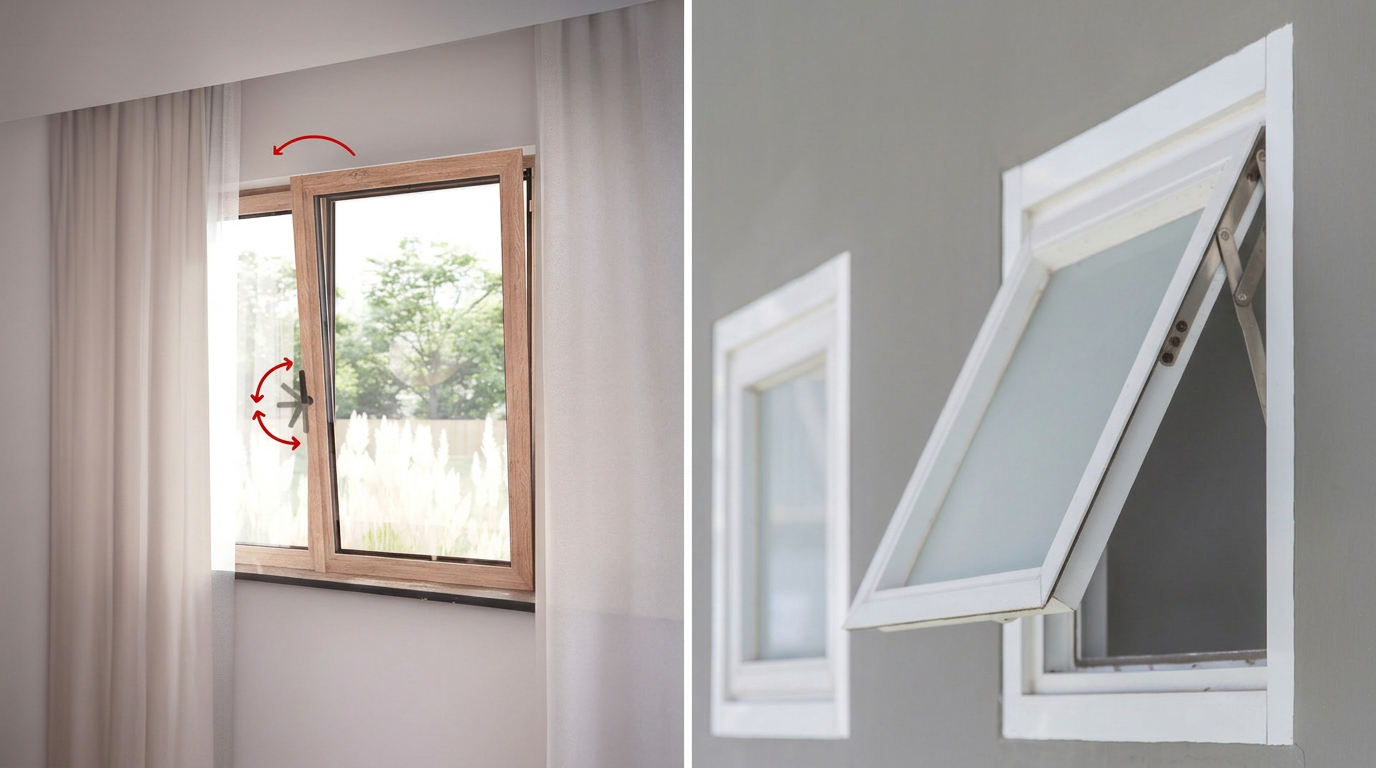

Awning windows have been a familiar choice for years. They are compact, simple to use, and often seen as a practical option for bathrooms, basements, and other smaller spaces. But once homeowners start comparing window systems more closely, the choice is not always as straightforward as it seems.
Tilt and Turn windows are gaining more attention for a reason. They bring a different kind of functionality to everyday living, that is a standard for Europe. In this article, we look at five reasons why more homeowners are choosing Tilt and Turn windows over awning windows. So if you are at the crossroads and look for a clear answer, read below.
- Two opening modes give homeowners more control
- A tighter closing system supports better thermal performance
- Inward opening makes cleaning easier, especially upstairs
- Tilt and Turn windows work better as a primary living-space window
- OKNOPLAST adds more design flexibility to the system
- FAQ
Key Takeaways:
- How Tilt and Turn windows differ from awning windows in everyday use and functionality.
- Why opening modes and sealing systems influence comfort and ventilation.
- What makes Tilt and Turn windows more practical in daily living and maintenance.
- How design flexibility and customization can affect the final look of your home
1. Two opening modes give homeowners more control
One of the biggest differences between these two window types comes down to flexibility. Awning windows offer a single-opening function, which can work well in certain spaces, but it also means airflow is managed in only one direction. That’s why they are common for mudrooms but not so much anymore in other parts of the home.
Tilt and Turn windows give homeowners two opening options in one system:
- tilt mode for gentle everyday ventilation
- turn mode for a wider opening when the room needs more air movement
It’s easy to see the practical application of such system. A bedroom may need light airflow overnight, while a kitchen or bathroom may need faster ventilation at certain times of day. Instead of relying on one fixed opening style, Tilt and Turn windows adapt more easily to how the room is actually used.
2. A tighter closing system supports better thermal performance
Window performance depends on more than the glass. The way the sash closes into the frame also affects comfort, energy efficiency, and the amount of outside air that enters the home over time.
Tilt and Turn windows have a clear advantage here. Their multi-point locking system helps pull the sash tightly into the frame, creating a more secure closure around the full window. Combined with perimeter gaskets and compression sealing, that design supports stronger airtightness. With the right glazing and installation as we do at OKNOPLAST, Tilt and Turn windows become superior and can be easily applied in energy efficent homes and passive homes.
Awning windows can still perform well, but most homeowners tend to lean toward more budget options that are not especially efficient thermally. Their sealing system is usually simpler, which can limit how tightly the unit closes compared with a high-performance Tilt and Turn design.
For homeowners, the benefit is straightforward. A tighter window can help reduce drafts, support steadier indoor temperatures, and allow the glazing package to perform more effectively. That matters even more in climates where heating (like Minnesota or North Dakota) or cooling (Texas, Arizona) demands put extra pressure on the building envelope.
3. Inward opening makes cleaning easier, especially upstairs
Cleaning may not be the first thing homeowners think about when comparing window types, but it becomes much more important once the windows are in daily use. This is especially true on upper floors, where exterior access is harder. After all, the more maintenance you put into keeping your windows in top shape, the longer they will remain functional.
Why Tilt and Turn helps
Tilt and Turn windows make cleaning easier because the sash opens inward. That gives homeowners access to both sides of the glass from inside the room.
This is especially useful in:
- second-story rooms
- tall window openings
- areas where exterior access is limited
Where awning windows become less practical
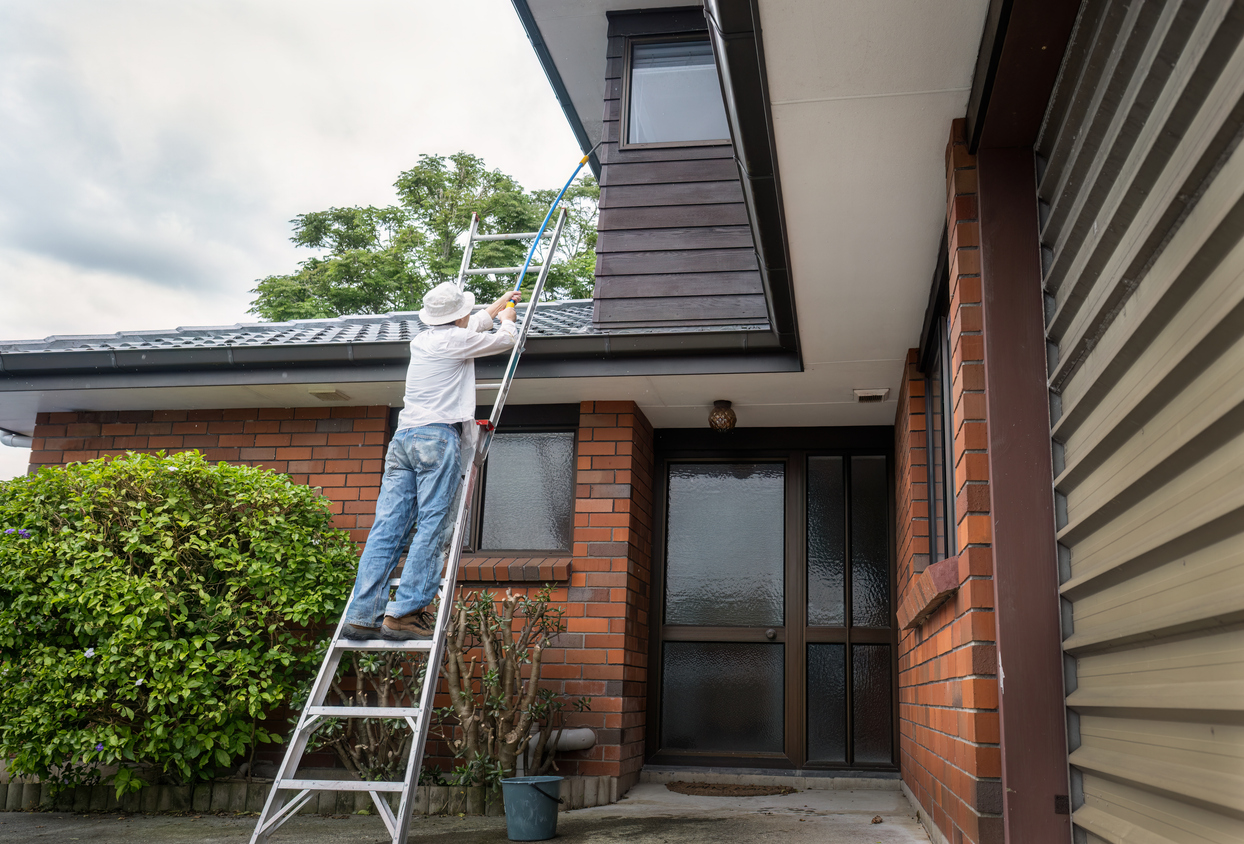
Awning windows do not offer the same convenience. Since the sash opens outward, the exterior surface is harder to reach from inside. In many cases, cleaning means:
- going outside
- using a ladder
- bringing in extra equipment
The long-term benefit
That difference matters over time. A window that is easier to clean is also easier to maintain, which makes everyday use more practical long after installation.
4. Tilt and Turn windows work better as a primary living-space window
Awning windows are often used in more specific locations, such as bathrooms, basements, or smaller openings where a compact outward-opening sash makes sense. They can work well in those roles, especially when the goal is simple ventilation without affecting interior space.
Main living areas usually ask more from a window system. Bedrooms, kitchens, and living rooms often benefit from a window that offers easier access, more flexible ventilation, and better everyday usability.
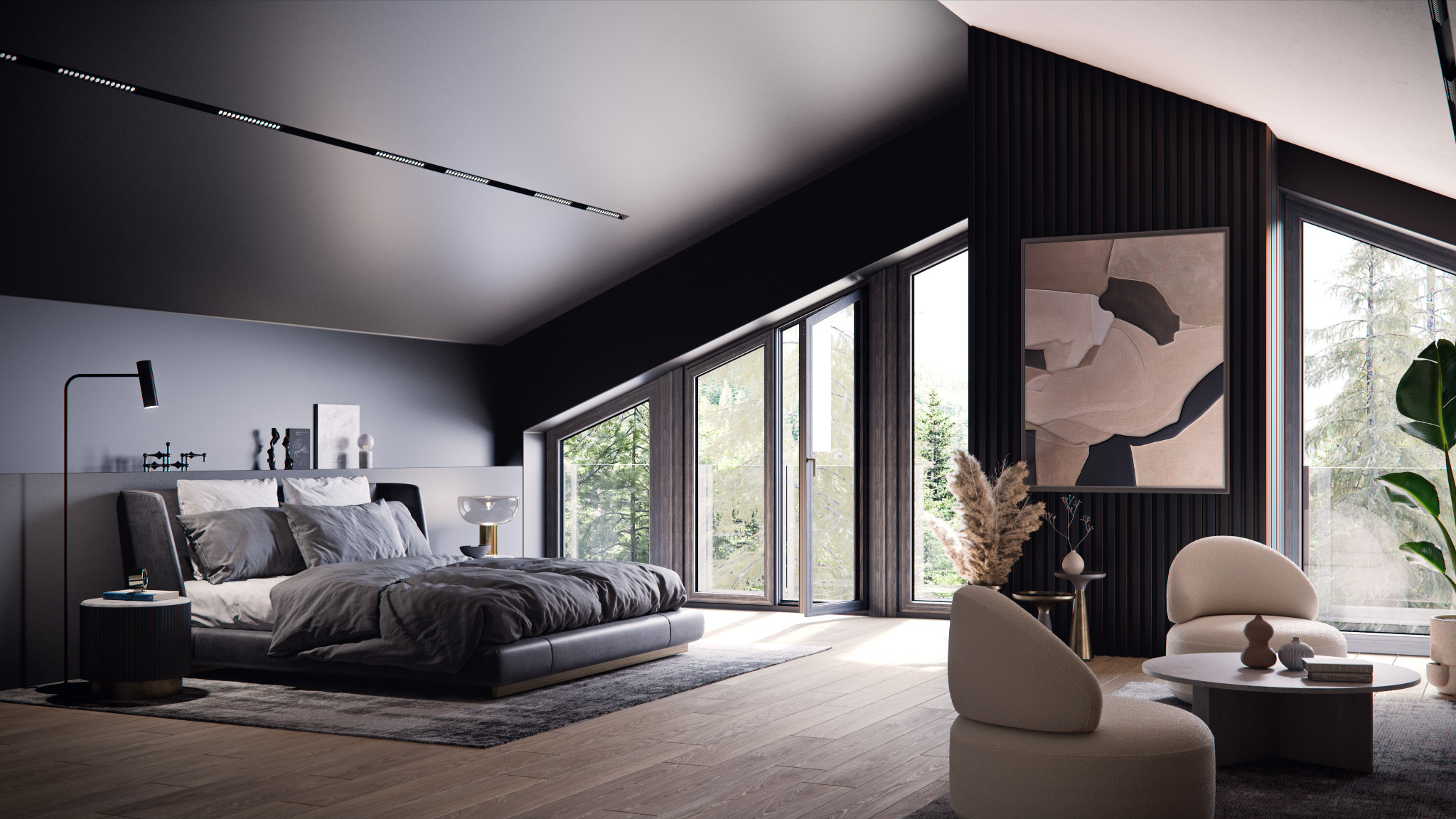
That is where Tilt and Turn windows tend to be the stronger fit. They can provide gentle airflow in tilt mode, a wider opening in turn mode, and easier access for cleaning and maintenance. This makes them a more complete solution for the rooms homeowners use most.
The difference is simple. Awning windows often work best in specific placements, while Tilt and Turn windows work more naturally as a primary window type throughout the home. That creates a more consistent experience from room to room.
5. OKNOPLAST adds more design flexibility to the system
Performance matters, but so does how a window fits the overall project. Awning windows are often chosen from more standard product lines, which can limit design flexibility when homeowners want a more tailored result.
OKNOPLAST gives Tilt and Turn windows a broader role. The system can be customized in size, finish, and overall appearance, making it easier to match the architecture of the home and the needs of the space. Homeowners can also choose glazing packages that support local climate demands and long-term comfort.
That flexibility becomes especially useful in renovation projects, where openings are not always standard, and in new builds where visual consistency across the façade matters. A window should feel like part of the design, not just a functional insert.
This is where OKNOPLAST strengthens the overall value of Tilt and Turn windows. Homeowners get a system that supports everyday usability while giving them more freedom to create a finished look that feels cohesive and well considered.
FAQ
They are often more versatile. Tilt and Turn windows offer two opening modes and tighter sealing, which can improve comfort and everyday usability.
Awning windows work well in smaller or specific spaces like bathrooms or basements, where simple ventilation is enough.
Yes. OKNOPLAST Tilt and Turn windows can be tailored as custom windows in size, finish, and glazing to match different designs and performance needs.

Let’s talk about your project!
Request a quote, discuss specifications, or get help choosing the right system
Send a request
"*" indicates required fields