


DP Rating for Windows: The Pro’s Guide to Structural Performance


If you’re building or designing in a coastal area or a high-wind zone, you’ve likely dealt with a DP rating for windows. Getting it right is your primary defense against envelope breaches, costly callbacks, and that long-term liability you definitely don’t want on your shoulders.
- What is a DP Rating for Windows?
- Beyond Wind Speed: Why You Should Measure in PSF
- The Role of Pressure: Why Suction is Your Real Enemy
- DP50 vs. DP80: Structural Performance Gap
- Common Mistakes When Specifying DP Ratings for Windows
- How Higher DP Ratings Improve Everyday Performance
- PAVA Impact: Engineered for Code Compliance
- FAQ
Key Takeaways:
- System Integrity: DP measures the structural strength of the entire assembly—frame, sash, hardware, and seals—within the NAFS framework.
- Envelope Security: High ratings help prevent blowouts caused by negative pressure (suction) during major atmospheric events.
- The 1.5x Safety Factor: Per ASTM E330, units must survive 150% of their rated load (a DP80 rating is verified at 120 psf).
- Daily Performance: High DP ratings often correlate with improved airtightness and acoustic performance, depending on the overall system design.
- The PAVA Benchmark: PAVA Impact is our engineering standard for achieving certified DP80 performance in high-load zones.
What is a DP rating for windows?
A DP rating for windows (Design Pressure) defines the structural wind load capacity of a window system, measured in pounds per square foot (psf). It identifies the specific amount of structural pressure an assembly can withstand before failure.
A higher window DP rating indicates a more robust assembly capable of maintaining the building envelope under extreme stress. Unlike marketing claims, this is a system-level measurement evaluating how the frame, sash, and hardware work in unison under ASTM E330 lab conditions.
Pro Tip: Air infiltration and water penetration are evaluated separately under NAFS (ASTM E283, ASTM E547).
Beyond wind speed: why You should measure in PSF
Clients often ask: “How many miles per hour (mph) can this window handle?” While mph is easy to visualize, professionals utilize pounds per square foot (psf) because it represents the actual pressure exerted on the facade.
Wind pressure varies based on building height, terrain exposure, and wall zones per ASCE 7. A 120 mph gust at ground level in a forest is vastly different from the same gust on a 15th-floor coastal high-rise. The DP rating for windows gives you a precise engineering benchmark that wind speed alone can’t match, allowing you to calculate the exact loads your specific project will face.
The role of pressure: why suction is your real enemy
A window’s DP rating defines how much structural wind pressure a unit can withstand without excessive deflection or failure. To meet performance requirements under NAFS, a window system must be evaluated across multiple criteria, including structural load, air infiltration, and water penetration.
- Positive Structural Load: Direct wind force pushing against the exterior glass.
- Negative Pressure (The Suction Effect): As wind accelerates around corners and rooflines, it creates localized low-pressure zones that literally try to pull the window out. If the window DP rating is too low, the sash deflects, the seal breaks, and the envelope is compromised.
- Water Pressure: Evaluated per ASTM E547 or ASTM E331, this measures resistance to water infiltration under static or cyclic pressure conditions.
Inadequate ratings lead to frame deflection, where the sash bows outward under suction, pulling away from the seals. This breach allows water to be “driven” into the structure and can contribute to building envelope failure and internal pressurization, increasing the risk of broader structural damage. A properly specified DP rating helps ensure the system can withstand this full “push and pull” load cycle without loss of performance.
DP50 vs. DP80: structural performance gap
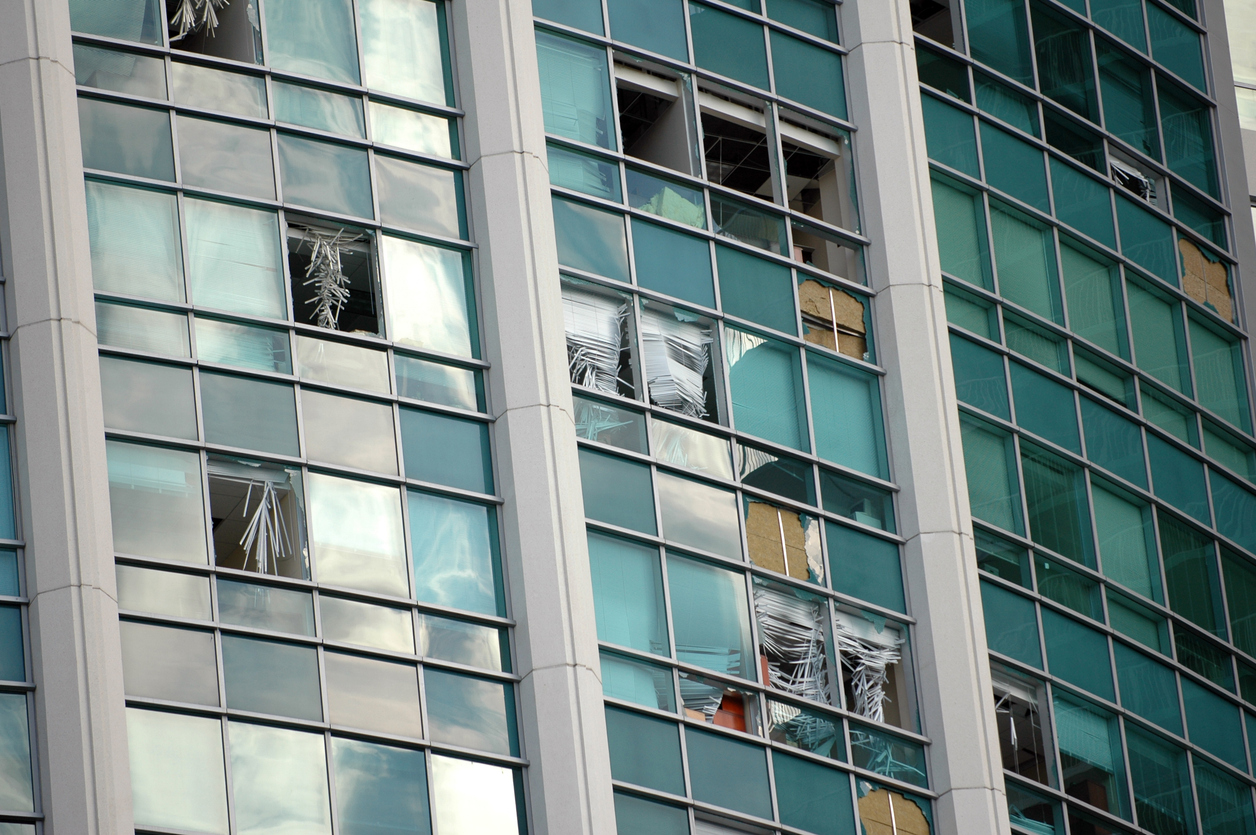
Choosing the right window DP rating isn’t a one-size-fits-all deal. It depends on your site’s location, exposure, building height, and local codes. Don’t spec the same rating for the whole house. Windows on building corners or upper floors always face higher loads. You’ll often need a higher DP rating for windows on the second story than on the first. While DP50 is a common residential baseline, moving to DP80 represents a big jump in performance in your building’s safety margin.
- Inland Projects (Exposure B): Typically require DP30 to DP50. Sufficient for areas protected by other structures.
- Coastal Exposure (Exposure C/D): Usually demand DP50 to DP70. These areas face higher wind loads and require stiffer frame modules.
- High Velocity Hurricane Zones (HVHZ): HVHZ projects typically require high design pressures (often equivalent to DP60–DP80), depending on ASCE 7 calculations. In regions like Miami-Dade or Broward, requirements are the most stringent in the U.S.
Performance data: standard vs. premium protection
| Technical Metric | Standard Residential (DP50) | OKNOPLAST’S PAVA Impact (DP80) |
| Design Pressure (DP) | 50 psf | 80 psf |
| Tested Structural Load | 75 psf | 120 psf |
| Water Resistance (ASTM E547) | 7.5 psf | 12 psf |
Common mistakes when specifying DP ratings for windows
Even experienced pros can make specification errors that impact long-term building performance. Avoid these common traps to protect your project:
- Confusing DP with PG (Performance Grade): Remember, a standalone DP rating primarily refers to structural capacity, while Performance Grade (PG) is a holistic NAFS standard that requires the window to pass structural, air, and water tests all at the same pressure level.
- Over-reliance on Impact Ratings: Being “Impact Rated” proves debris resistance (Large Missile Test), but it doesn’t guarantee the frame won’t buckle under pressure. For coastal safety, you need a system that kills it in both categories – like the PAVA Impact.
- Ignoring Frame Deflection: At lower DP ratings, frame bowing can occur long before structural failure. This deflection breaks the thermal and water seals, leading to moisture damage within the wall assembly.

How higher DP ratings improve everyday performance
Beyond extreme weather, a higher DP rating for windows is a direct indicator of overall system quality and engineering precision. Here is what it means for your clients:
- Superior Acoustic Attenuation: Better frame rigidity and tighter seal engagement block significantly more environmental noise (STC 42), making it ideal for high-exposure urban sites.
- Energy Compliance & Efficiency: Tighter seals mean virtually zero air infiltration, protecting the thermal envelope and reducing HVAC loads (U-Factor as low as 0.24).
- Long-Term Operational Integrity: Stronger frames are less likely to warp or sag over time, ensuring the sash opens, tilts, and locks with precision for decades.
Specifying a higher DP rating for windows is a proactive form of risk management. It reduces your service calls and ensures your clients are happy long after you’ve left the site.
PAVA Impact: engineered for code compliance
At Oknoplast, we engineered the PAVA Impact specifically to handle those “worst-case scenario” requirements. The PAVA Impact system is engineered to meet DP80 structural requirements without oversized frames, ensuring compliance in HVHZ jurisdictions such as Miami-Dade and Broward.

The PAVA system supports multiple heavy-duty mounting methods- including Nailing Fin, Fixing Clips, and Direct Bolt- ensuring the lab-tested DP80 rating actually translates to your rough opening. By specifying PAVA, you are removing the weak spots that often fail first and securing the building envelope with modern, NAFS-compliant engineering.
Ready to spec the best?
If your next project requires the structural strength of a DP80 rating combined with premium European engineering, explore the technical specifications of the PAVA Impact. Contact our architectural team for DP calculations and custom project support.
FAQ
Requirements vary by county, but for High Velocity Hurricane Zones (HVHZ) like Miami-Dade, you typically need a DP60 to DP80 rating. The PAVA Impact is specifically certified for these jurisdictions, ensuring compliance with the Florida Building Code.
Let’s be honest: wind speed is for the brochure, psf is for the job site. A DP80 rating for windows is far more precise than mph; it means the system survived a 120 psf structural load. This level of engineering is designed to withstand the violent, pulsing pressure changes of hurricanes that often exceed the limits of standard “wind-rated” windows.
Under-specifying is a major liability. While a lower rating may meet the bare minimum of the code, it increases the risk of air leaks and water infiltration. Specifying a higher DP rating for windows is a long-term investment in durability and resale value.


Let’s talk about your project!
Request a quote, discuss specifications, or get help choosing the right system
Send a request
"*" indicates required fields