


Are Casement Windows Still Trending in 2026?


If you are a developer, project manager, or real estate investor, you have likely specified casement windows on a build or renovation. They are familiar, functional, and have long been associated with energy‑efficient construction in the U.S.
But are casement windows still the best choice in 2026?
- Casement windows: still in high regard
- Why Tilt and Turn windows are trending fast among U.S. builders
- The window market is shifting — smart builders adapt
- FAQ
Key Takeaways:
- Casement windows remain a widely used and dependable option in U.S. residential construction thanks to their familiar design, solid ventilation performance, and steady market demand.
- Tilt and Turn windows are gaining rapid traction among builders because they combine two opening functions, easier maintenance, and modern aesthetics in a single system.
- Market data shows Tilt and Turn windows growing faster than the casement segment, reflecting a shift toward higher-performance and design-focused window solutions.
- Developers and architects are increasingly specifying Tilt and Turn systems to meet modern expectations for energy efficiency, usability, and contemporary architectural style.
That is a question worth asking, especially with performance demands rising, design preferences shifting, and new window systems entering the market. One of them is tilt and turn windows, a European‑style solution gaining traction in urban, luxury, and energy‑conscious projects.
In this article, we break down where casement windows still make sense, where Tilt and Turn windows are catching up fast, and why more builders are starting to rethink what “standard” should look like.
In homes, it’s all about space, light, and layout
Casement windows: still in high regard
Casement windows continue to show up in many U.S. homebuilding and renovation projects. Their side‑hinged design allows for a full window opening, which makes them useful for ventilation, airflow, and natural light. In suburban builds and traditional architectural styles, they remain a common option.
From a performance standpoint, casement windows deliver decent results. They offer reasonable energy efficiency, particularly in regions with seasonal temperature shifts like the Midwest. When closed, the sash presses against the frame, which helps reduce air leakage. They also provide a familiar look that works well in standard residential developments. Ventilation control is straightforward. Casement windows can be angled to catch breezes and direct airflow into the home.
The market reflects steady demand. The global casement window segment is projected to grow from $14.25 billion in 2024 to more than $19 billion by 2030, at a CAGR of around 4.1%. For builders and developers, that means casement windows remain a familiar spec with steady supplier availability and buyer recognition.
Casement windows are still a workable choice for many projects. But the landscape is shifting. A different window system is gaining ground fast, and it is starting to change what buyers and builders expect from modern fenestration.
Why Tilt and Turn windows are trending fast among U.S. builders
Tilt and Turn windows have become one of the most talked‑about upgrades in modern residential and commercial design. Originally popular in Europe, they offer a dual‑function opening: a simple inward tilt at the top for ventilation, and a full inward swing for maximum access.
This versatility gives builders and developers an edge when it comes to both usability and design. Compared to casement windows, Tilt and Turn systems offer easier maintenance. Homeowners can clean the outside of the glass from indoors, which is especially helpful on upper floors or in tight spaces. Air control is also improved. The tilted position allows for gentle, draft‑free airflow without fully opening the window. The modern visual appeal is another draw. Larger glass area, sleek hardware, and minimal frame depth fit well with contemporary homes and luxury renovations.
Market growth backs the trend. The U.S. Tilt and Turn window segment was valued at $3.1 billion in 2024 and is projected to reach $5.2 billion by 2033, growing at a CAGR between 4.5% and 6.1%. That outpaces casement window growth.
For developers, the takeaway is clear. More U.S. architects are specifying Tilt and Turn windows not just for aesthetics, but for how easily they meet energy‑efficiency targets, egress requirements, and modern lifestyle needs, all with fewer compromises.
That raises an important question for anyone planning a project: are Tilt and Turn windows a smart investment?
Why tilt and turn windows are trending fast among U.S. builders
Tilt and Turn windows have become one of the most talked‑about upgrades in modern residential and commercial design. Originally popular in Europe, they offer a dual‑function opening: a simple inward tilt at the top for ventilation, and a full inward swing for maximum access.
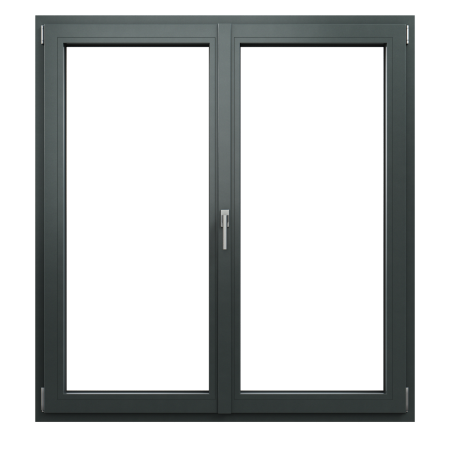
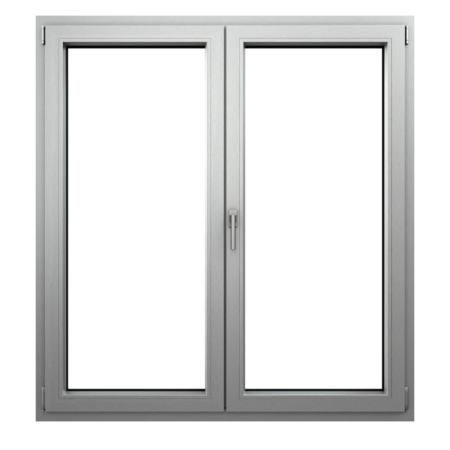
This versatility gives builders and developers an edge when it comes to both usability and design. Compared to casement windows, Tilt and Turn systems offer easier maintenance. Homeowners can clean the outside of the glass from indoors, which is especially helpful on upper floors or in tight spaces. Air control is also improved. The tilted position allows for gentle, draft‑free airflow without fully opening the window. The modern visual appeal is another draw. Larger glass area, sleek hardware, and minimal frame depth fit well with contemporary homes and luxury renovations.
Market growth backs the trend. The U.S. Tilt and Turn window segment was valued at $3.1 billion in 2024 and is projected to reach $5.2 billion by 2033, growing at a CAGR between 4.5% and 6.1%. That outpaces casement window growth.
OKNOPLAST, a leading manufacturer of Tilt and Turn windows, is gaining substantial traction in the U.S. market. The company has been recognized at Build Show Live in Austin, Texas, and featured in this video przedstawione przez Alysson Anderson from BuildShow Network: Are tilt and turn windows the new US trend?,
For developers, the takeaway is clear. More U.S. architects are specifying Tilt and Turn windows not just for aesthetics, but for how easily they meet energy‑efficiency targets, egress requirements, and modern lifestyle needs, all with fewer compromises.
That raises an important question for anyone planning a project: are Tilt and Turn windows a smart investment?
The window market is shifting — smart builders adapt
Casement windows are not disappearing. They remain a dependable, energy‑efficient choice for many residential projects. But if you are planning for the next generation of high‑performing homes, Tilt and Turn windows deserve serious attention.
They offer more flexibility, cleaner lines, and easier maintenance—without giving up insulation, security, or airflow. Just as importantly, they match where the U.S. market is heading: toward smarter design, tougher performance standards, and a better experience for homeowners.

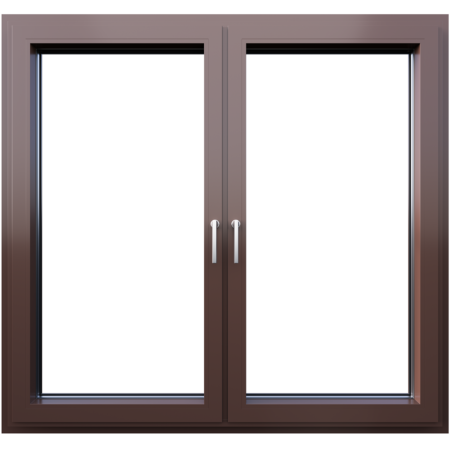
At OKNOPLAST, we design and engineer advanced Tilt and Turn systems specifically for U.S. builders and property developers. Whether you are working on a custom home, multifamily project, or urban renovation, we can help you specify the right solution for your build.
Explore our Tilt and Turn collections or find a local OKNOPLAST dealer to see real‑life installations in your area.
Tilt and Turn windows offer dual functionality: a top tilt for secure ventilation and a full inward opening for cleaning and maximum airflow. This versatility, combined with modern aesthetics and easier maintenance, makes them attractive for contemporary homes and multifamily projects.
The Tilt and Turn window segment in the U.S. is growing faster. It is projected to increase from about $3.1 billion in 2024 to roughly $5.2 billion by 2033, outpacing the more moderate growth of the casement window market.
In many cases, yes. Builders and architects often choose them for their flexibility, improved usability, and ability to meet stricter energy-efficiency standards while delivering a sleek, modern design that appeals to today’s buyers.


Let’s talk about your project!
Request a quote, discuss specifications, or get help choosing the right system
Send a request
"*" indicates required fields