


Argon, Krypton, or Xenon in window panes: what’s best for Tilt and Turn windows?


When it comes to energy‑efficient windows, what’s between the panes matters just as much as the frame or glass itself. The sealed space is often filled with a noble gas such as argon, krypton, or xenon. Each one is invisible but plays a clear role in insulation and comfort. Choosing the right gas filling can significantly impact heating bills, indoor temperatures, and long-term performance.
In this article, we will break down the differences between these gases and explain how they change the performance of modern Tilt and Turn windows. At OKNOPLAST, these gases play a crucial role in enabling our windows to meet the highest thermal performance standards.
- Argon: the reliable standard in most tilt and turn windows
- Krypton: when tighter gaps demand higher performance
- Xenon: the rare gas for extreme cases
- Why Oknoplast windows use argon and krypton?
- Final thoughts: choose smarter insulation
- FAQ
Key Takeaways:
- Learn how argon, krypton, and xenon gas fills change window insulation, comfort, and energy costs.
- See why argon works best for most homes, while krypton is better for cold climates or triple panes with narrow gaps.
- Understand why xenon is rarely used in residential projects despite its high insulation potential.
- Find out how gas fills combine with low-E coatings, warm edge spacers, and multi-chamber frames to deliver real efficiency gains.
Argon: the reliable standard in most Tilt and Turn windows
Argon is the most widely used gas in insulated glazing and is the standard for many OKNOPLAST Tilt and Turn systems, including PIXEL, PAVA. It offers a balanced mix of performance and practicality, which is why it appears in most double‑ and triple‑pane windows on the U.S. market.
The reason is straightforward: argon is around 30 percent better at insulating than air, it is non‑toxic, widely available, and cost‑effective. It works best in gaps ranging from 12 to 20 millimeters between panes, which covers the majority of window designs in residential construction. This is why argon remains the go‑to option for improving efficiency without significantly raising cost.
All OKNOPLAST triple-glazed windows utilize sealed glass units filled with noble gases, such as argon, to enhance insulation performance. This ensures durability and consistency of performance. What’s important to many of our clients is that all argon-filled units are NFRC-certified and comply with U.S. energy codes.
For most homes across the U.S., whether in moderate or mixed climates, argon is the ideal. It keeps heating and cooling needs under control while maintaining the slim, elegant proportions that Tilt and Turn windows are known for.
Krypton: when tighter gaps demand higher performance
Krypton is denser than argon and provides about 40 percent better insulation than air and 10 to 20 percent more than argon. This makes it especially effective in triple‑pane glazing with narrow gaps under 12 millimeters.
Because it is rarer, krypton costs more to produce and is therefore used selectively. Its value shows up most in climates with long, cold winters or in homes designed to meet passive or high‑performance energy standards. It is also a solution when frame dimensions are tighter and there isn’t enough room for a wide cavity between glass panes.
For U.S. homeowners, krypton is best considered in three situations:
- when building or renovating a custom home focused on top energy efficiency,
- when living in northern states or other regions with very low winter temperatures,
- or when choosing architectural designs that limit the space between window panes.
Xenon: the rare gas for extreme cases
Xenon offers the highest level of thermal insulation among the three noble gases. It is denser than both argon and krypton, which means it conducts heat even less effectively and can achieve the lowest U‑values in insulated glazing.
However, xenon is extremely rare and expensive to produce, making it impractical for most applications. The performance gains over krypton are minimal, while the cost per unit is significantly higher. This positions xenon as a specialty choice rather than a standard option.
In practice, xenon is mainly used in research facilities, ultra-high-end architectural projects, or experimental building designs where every fraction of energy efficiency counts. For residential Tilt and Turn windows, even those in premium homes, xenon rarely justifies the expense. The benefits do not outweigh the price for typical U.S. climates or construction needs. It’s better to invest in a layered, warm window installation than a noble gas with this price tag.
Why Oknoplast windows use argon and krypton?
Air can insulate to a certain degree, but it is far less efficient than filling panes with noble gases. That is why OKNOPLAST Tilt and Turn windows are equipped with sealed glazing units filled with argon or krypton. These gases reduce heat transfer, helping each window meet demanding performance standards.
Gas fills are only one part of the system. Every OKNOPLAST window also integrates:
- Low‑E coatings that reflect heat back into the room during winter while controlling solar gain in summer.
- Warm edge spacers that reduce heat loss at the glass edge, a common weak point in insulated glazing.
- Multi‑chamber frame profiles that slow down thermal transfer through the frame itself.
Together, these elements create insulated glass units capable of reaching U‑factors as low as 0.14, a level of performance that meets or exceeds energy codes nationwide.
If you are looking for high thermal efficiency, consider these product lines, available directly from OKNOPLAST or our partners:
- PIXEL – maximizes daylight while maintaining thermal efficiency with argon fills.
- PAVA – flexible profile that can be configured with argon or krypton for stronger insulation.
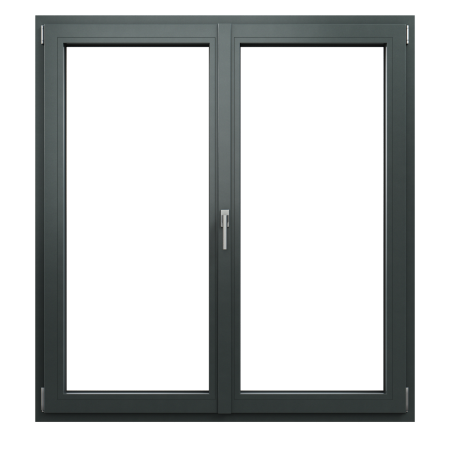
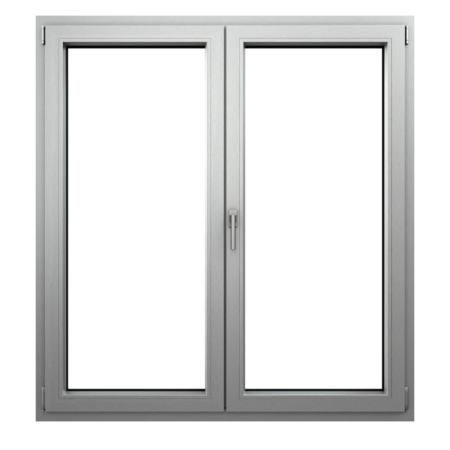
As we explain in our article Insulated windows: how they improve energy efficiency, it is the entire system of gas fillings, low-E coatings, warm edge spacers, and multi-chamber frames that allows OKNOPLAST Tilt and Turn windows to provide such high efficiency.
Final thoughts: choose smarter insulation
Tilt and Turn windows are not only about refined design or ease of use. Their performance depends on the details inside the glass unit, including the type of insulating gas used. Argon and krypton are the two gases that make the biggest difference for U.S. homes, helping to stabilize indoor temperatures, reduce energy use, and improve comfort year‑round.
At OKNOPLAST, these gases are an integral part of how our windows reach the highest standards of efficiency. Combined with advanced glazing, warm edge spacers, and multi‑chamber profiles, they ensure every window works as a complete system.
Want to learn which configuration is right for your home or project? Connect with one of our certified dealers for expert guidance.
FAQ
Xenon is the most expensive and is used only in niche, high-performance windows. Krypton costs approximately 40% more than argon, while argon is the most common and least expensive option.
Argon is most common in double panes, while krypton is often used in triple panes or narrow gaps for better insulation. Xenon can be used, but it is rare and costly.
Not usually. Gas filling is done in the factory during manufacturing. To upgrade, you typically replace the insulated glass unit (IGU) with a new argon- or krypton-filled unit while reusing the existing frame. It’s best to ask a manufacturer if such service is available.


Let’s talk about your project!
Request a quote, discuss specifications, or get help choosing the right system
Send a request
"*" indicates required fields