


Are Casement Windows The Right Choice for Your Renovation?
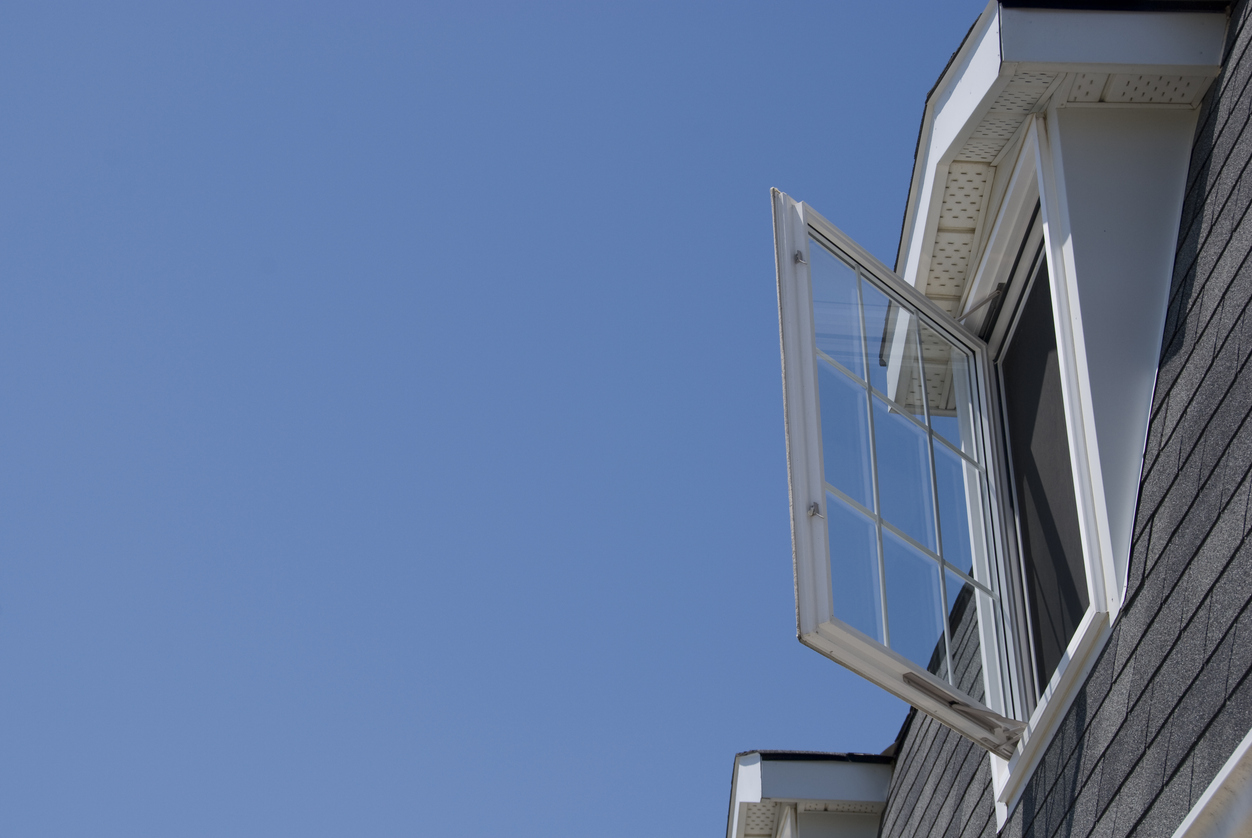

When you’re planning a renovation, it’s easy to get caught up in finishes, flooring, and paint colors while forgetting how much your windows actually matter. The windows you choose affect everything from airflow and security to how easy they are to clean and how much you spend on energy over time.
Casement windows have been a go‑to homes for years. Recently, more homeowners have been exploring Tilt and Turn windows. Let’s see if casement windows are still worth considering for your renovation project.
- Benefits of casement windows for home renovations
- Limitations of casement windows
- Why Tilt and Turn windows are trending
- FAQ
Key Takeaways:
- Learn the core benefits of casement windows, including energy efficiency, ventilation, accessibility, and unobstructed views.
- Understand the trade-offs: outward swing, cleaning challenges, crank hardware wear, and limited security compared to modern alternatives.
- See why Tilt and Turn windows are trending in U.S. renovations, offering secure multi-point locking, easier cleaning, and dual-function versatility.
- Get practical guidance on how to decide between familiar casements and innovative Tilt and Turn systems for your project goals.
Benefits of casement windows for home renovations
When homeowners start thinking about replacing or upgrading windows, casements are often one of the first styles that come to mind. They’re simple, familiar, and they work. What really keeps them popular, though, are the everyday benefits. Casement windows can help lower energy bills to some extent. It’s that mix of performance and convenience that makes them a smart fit for many homes and budgets.
Energy efficiency
Because casement windows seal tightly when cranked shut, and don’t rely on overlapping sashes, they offer fewer points for air leakage. With proper double‑ or triple‑pane glazing and quality weatherstripping, they can maintain solid insulation and reduce energy loss.
Ventilation
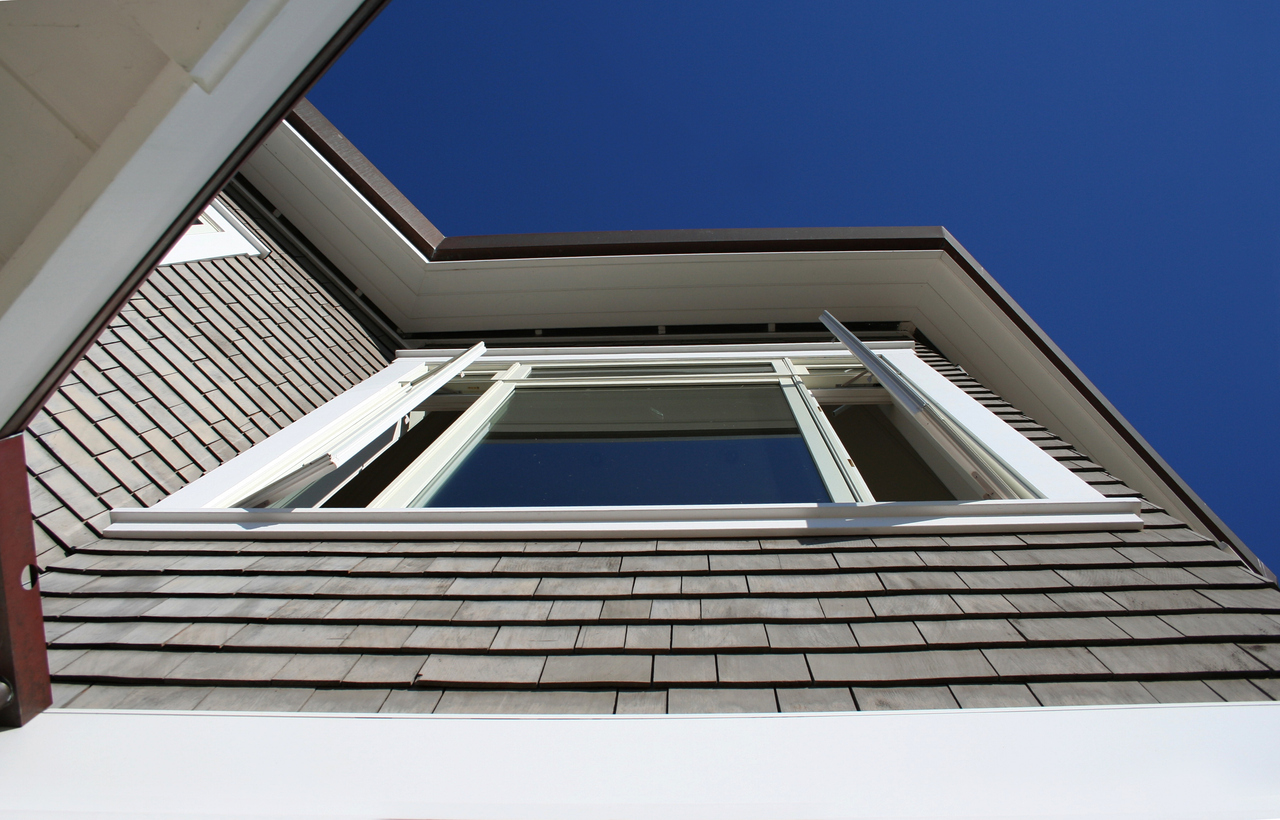
When fully opened, the sash swings outward to a wide angle, catching breezes and directing them into the home. This “funneling effect” makes them useful in kitchens or bathrooms, where quick, strong ventilation is often needed.
These strengths make casement windows a popular upgrade for homeowners seeking affordability and function, but like any system, they also come with trade‑offs worth considering.
Limitations of casement windows
While casement windows have strong advantages, there are also trade-offs worth considering before choosing them for a renovation project.
Cleaning challenges
Because casements open outward, cleaning the exterior glass from the inside can be difficult, especially on upper floors. This often requires the use of ladders or professional cleaning services.
Hardware wear
The crank system is convenient, but it has moving parts that can wear or break over time. Replacement cranks are simple, but it does mean long‑term maintenance is higher compared to simpler hinge systems.
Security
Most casements rely on one or two manual locking points. This leaves them less secure than systems like Tilt and Turn windows, which utilize multiple locking points around the sash to achieve an airtight seal and stronger resistance.
Space considerations
Because the sash swings outward, casements can interfere with exterior areas such as decks, walkways, or landscaping. In tight outdoor spaces, this can be inconvenient.
For many homes, these issues may not be dealbreakers, but they are important factors to consider when weighing your project budget, exterior design, and overall performance goals.
Why Tilt and Turn windows are trending
Homeowners and architects are discovering that Tilt and Turn windows address many of the frustrations associated with traditional systems. Their dual‑function design allows the sash to tilt inwards for safe, controlled ventilation, or swing fully inward to serve as an escape route and provide maximum airflow. This flexibility makes them practical for everyday life while also meeting emergency egress needs when sized correctly.
Security is another driver of their popularity. Unlike casement windows with one or two locking points, Tilt and Turn units from OKNOPLAST use multi‑point hardware with seals on all sides. This ensures tighter air control, stronger break‑in resistance, and improved noise reduction.
For design-oriented projects, options like the PIXEL line, with ultra-slim sightlines, and the PAVA system, built for passive-house-level performance, give architects the freedom to combine crisp aesthetics with certified energy results. Both systems can be paired with finishes ranging from classic wood grains to minimalist black-on-black, making them adaptable across various styles.
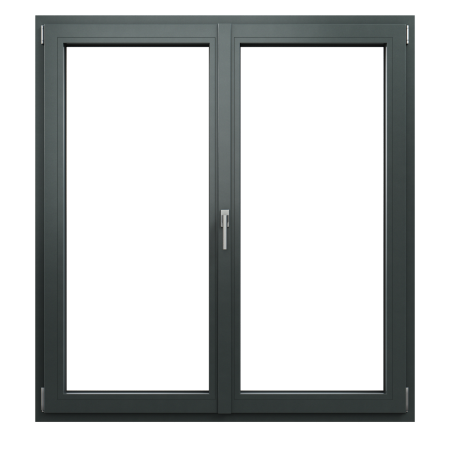
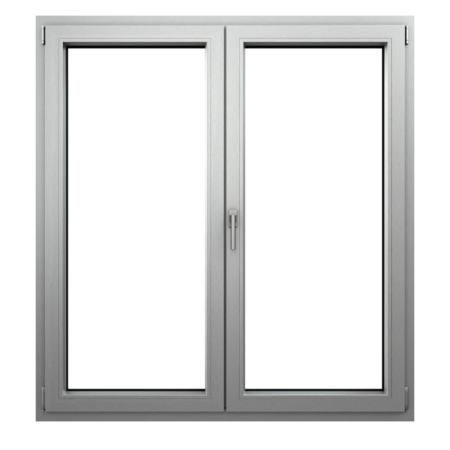
Because the sash swings inward, cleaning is also safer and simpler — no ladders or specialty services required. Combined with PHIUS‑level energy certifications and compatibility with smart‑home integrations, Tilt and Turn windows represent the next step in building envelope innovation.
If you want to see how Tilt and Turn windows perform in real life, and you are interested in our solutions. Reach out to OKNOPLAST experts. We will help you with your renovation project and equip your home with durable windows that will last for years.
FAQ
Clean frames and glass regularly with mild soap, lubricate hinges and cranks with silicone spray, and check hardware for wear. Replace damaged weatherstripping, repair caulking, and inspect seals to prevent drafts and leaks. Seasonal care, especially in coastal areas, helps prevent corrosion and damage.
At least twice a year. Check hinges, locks, and operator arms every six months, lubricate moving parts, tighten loose screws, and replace worn components. More frequent checks are recommended in harsh climates or with heavy use.
Yes. Oknoplast offers fully customizable Tilt and Turn windows in the U.S. with over 50 color options, triple-glazing, and different handle styles. They provide secure ventilation, easy cleaning, and high energy efficiency, with installation options tailored for American homes.


Let’s talk about your project!
Request a quote, discuss specifications, or get help choosing the right system
Send a request
"*" indicates required fields