


PAVA Impact: Solving the Structural-Aesthetic Paradox in HVHZ Zones
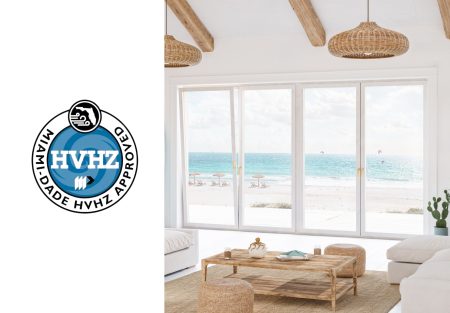
If you’re specifying coastal projects, you know the constraint: DP80 performance and large glazed areas without bulky, boxy frames. PAVA Impact is OKNOPLAST’s new system engineered specifically for High Velocity Hurricane Zones—pairing impact-rated performance with a slim European profile that preserves sightlines and design intent.
In High Velocity Hurricane Zones (HVHZ), where impact certification is mandatory, survival isn’t the metric—stability is. The engineering approach to the blind spot in standard testing is STV (Static Dry Glazing), a European-engineered technology that replaces discrete mechanical fasteners with a continuous structural bond between the glass and the sash.

We know that spring maintenance helps homeowners catch window issues before they turn into drafts, moisture problems, or costly repairs. After winter (especially if you live in a cold climate), it is worth checking how well your windows seal, operate, and protect the home. In this article, we cover the most important tasks and explain why they matter.
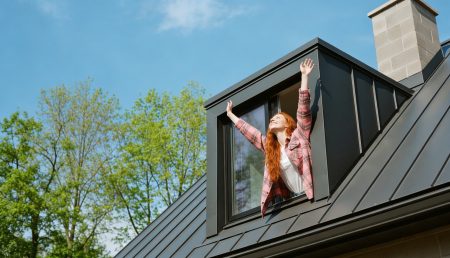
Dormer windows have been solving the same problem for centuries: how to make upper floors livable. What started as a simple way to bring light and air into cramped attic bedrooms has evolved into one of the most versatile architectural features in residential design.

When planning a window upgrade or building a new home, most people focus on the frame—whether it’s uPVC or aluminum—and how it fits with the overall style. But glass is just as important. It affects how your home feels, how much you pay for energy, and how safe and quiet your spaces are.

In high-end residential design, glazing is no longer just an opening—it’s a tool for shaping light, massing, and atmosphere. From the mid century modern homes of Illinois and Pennsylvania to the minimalist glass villas along the New Jersey shoreline and the contemporary urban residences of New York, and the high performance homes built for the extreme heat of Texas, clerestories appear across a wide range of high-end residential styles. They’ve become a hallmark of residences that balance natural light, privacy, and performance.
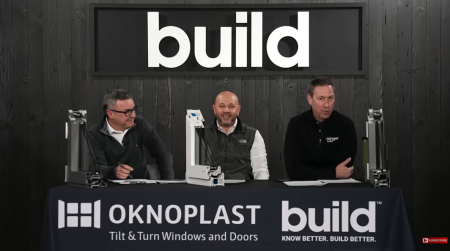
During a recent webinar, Matt Risinger, host of The Build Show and one of the most trusted voices in American construction, joined Oknoplast experts Dominic Marichko and Tim Burbank to explain why European window technology is not a luxury upgrade, but a practical engineering response to climate, energy, and acoustic challenges. Here are five key lessons from that conversation.

Most homeowners today recognize terms like energy savings, Low-E glass, or insulated frames when thinking about eco-friendly windows. But there’s much more behind a truly sustainable window than just thermal performance. This is also true when we talk about trending tilt and turn windows.

Hailstorms are becoming more frequent and more severe, especially in areas like Texas and Oklahoma. For many homeowners, that means a higher risk of property damage, and windows are often the first to break. Insurance can help cover the cost of repairs, but it won’t prevent the damage. That’s why more people are looking for long-term protection. In this article, we’ll explain how choosing the right Tilt and Turn windows can help protect your home from hail damage and other extreme weather events.

When it comes to energy‑efficient windows, what’s between the panes matters just as much as the frame or glass itself. The sealed space is often filled with a noble gas such as argon, krypton, or xenon. Each one is invisible but plays a clear role in insulation and comfort. Choosing the right gas filling can significantly impact heating bills, indoor temperatures, and long-term performance.