


Reading an NFRC Label: U-Factor, SHGC & Air Leakage Explained

That small NFRC label can tell you a lot about how a window will perform in a real home. U-Factor shows how well it resists heat transfer, SHGC indicates how much solar heat comes through, and Air Leakage measures how much air can pass around the window.
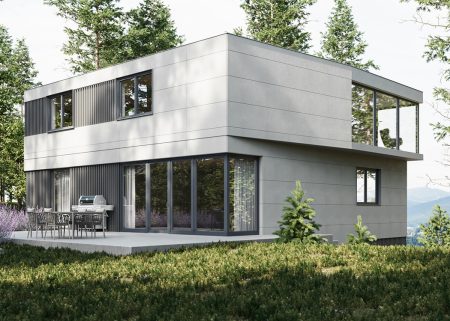
The pull toward natural light and open air isn't a passing preference. It's one of the oldest instincts in how people choose to live, and it shows up in small decisions long before it shows up in a finished room: which wall gets the window, how wide a door swings, whether a threshold interrupts the floor or lets it run straight through to the patio.

Rising utility costs and tightening building codes are driving demand for sustainable building products. Homeowners and builders now seek solutions that deliver style, functionality, and serious energy savings in a single product. Tilt and Turn windows have become a go-to solution to meet this demand. Through high-performance European design and eco-responsible production, at OKNOPLAST we are redefining expectations for modern windows.

Most homeowners today recognize terms like energy savings, Low-E glass, or insulated frames when thinking about eco-friendly windows. But there’s much more behind a truly sustainable window than just thermal performance. This is also true when we talk about trending tilt and turn windows.

By integrating eco-friendly practices into every aspect of its operations, OKNOPLAST not only minimizes its ecological footprint but also sets a benchmark for excellence in Tilt and Turn window manufacturing. Let us present to you our approach in sustainable manufacturing.

Passive homes represent the future of sustainable living, offering a practical solution to reducing carbon footprints and cutting utility costs. These energy-efficient homes depend on high-performance materials, including advanced windows and doors, to ensure airtightness and superior insulation. OKNOPLAST’s Tilt and Turn windows go beyond traditional designs, offering innovative features tailored to meet the strict energy standards of passive homes. In this article, we’ll break down the components of passive homes and explore how these windows play a vital role in achieving unmatched efficiency.
