


Do Egress Windows Really Improve Home Safety?


Home safety is about having clear, easy ways to get out during an emergency. That’s exactly where egress windows come in. In this article, we’ll break down what an egress window is, why they’re so important for building codes, how they boost safety, and how they stack up against modern options like Tilt and Turn windows.
What is an egress window, and why is it required?
An egress window is a window designed to serve as an emergency exit. Unlike standard basement or bedroom windows, it must be wide and tall enough for a person to climb through and allow first responders to enter quickly if needed.
In the U.S., building codes require egress windows in:
- Finished basements
- All bedrooms
In practical terms, that means an egress window is not optional. The law requires it if you’re finishing a basement or adding a true bedroom to your home.

Aside from safety, egress windows also offer an added benefit: they officially increase a home’s value by expanding the number of bedrooms. For a homeowner, that means better resale potential alongside peace of mind.
Code requirements every homeowner should know
Egress windows are mandated by the International Building Code (IBC). To qualify as a legal emergency exit, a window must meet all of the following dimensions:
- Minimum width opening: 20 inches
- Minimum height opening: 24 inches
- Minimum clear opening: 5.7 square feet (5.0 square feet for below‑grade windows)
- Maximum sill height: 44 inches from the finished floor
These numbers are designed to balance practicality with safety, ensuring an adult can exit quickly while giving room for firefighters or EMTs to enter.
Many older homes were built before these standards and may not comply. In those cases, adding or enlarging egress windows is often necessary to finish a basement legally or to call a space a true bedroom. Properly sized windows not only create a safer escape path but also protect your investment by keeping your home in line with code and appraisal requirements.
Egress windows vs. Tilt and Turn windows
Egress windows serve one critical role: creating a safe escape route and meeting building code. When sized correctly, they provide the minimum clearance needed for emergency use. Modern Tilt and Turn windows, like those from our lines, take the concept further by combining safety with everyday functionality.
Unlike a basic egress window that only opens one way, a Tilt and Turn unit offers dual operation: it can fully turn inward for escape or cleaning, or tilt from the top for controlled ventilation. This makes them not just emergency exits, but versatile features for daily comfort.

For example, our OKNOPLAST PAVA system can be configured to meet egress clear opening requirements when properly sized. It also delivers low U-factors, multi-point locking for enhanced security, and slim profiles that support modern design goals.
Additional advantages include:
- Enhanced security with multi‑point locking
- Energy efficiency through advanced glazing and insulated frames
- Design flexibility with customizable finishes and dual‑color options
- Integration potential with smart home setups
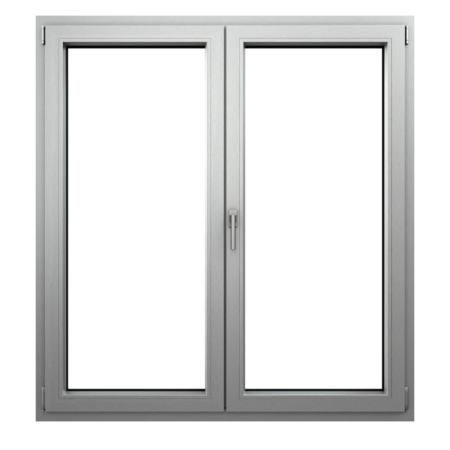

In practice, both options meet code if sized properly. The difference is that Tilt and Turn windows provide year‑round value: light, ventilation, style, and energy savings, while still serving as a reliable exit in emergencies.
FAQ
Most follow IRC rules: at least 5.7 sq ft opening (5.0 at grade), 24-inch height, 20-inch width, and a sill under 44 inches. Window wells need 9 sq ft with ladders if deeper than 44 inches.
Your city or county building department. States adopt the IRC or IBC with amendments, so always confirm with local officials.
Some areas allow smaller openings or higher sills, but window wells are usually required. Check with your local building department for approval.


Let’s talk about your project!
Request a quote, discuss specifications, or get help choosing the right system
Send a request
"*" indicates required fields