


Everything You Need to Know About Dormer Windows
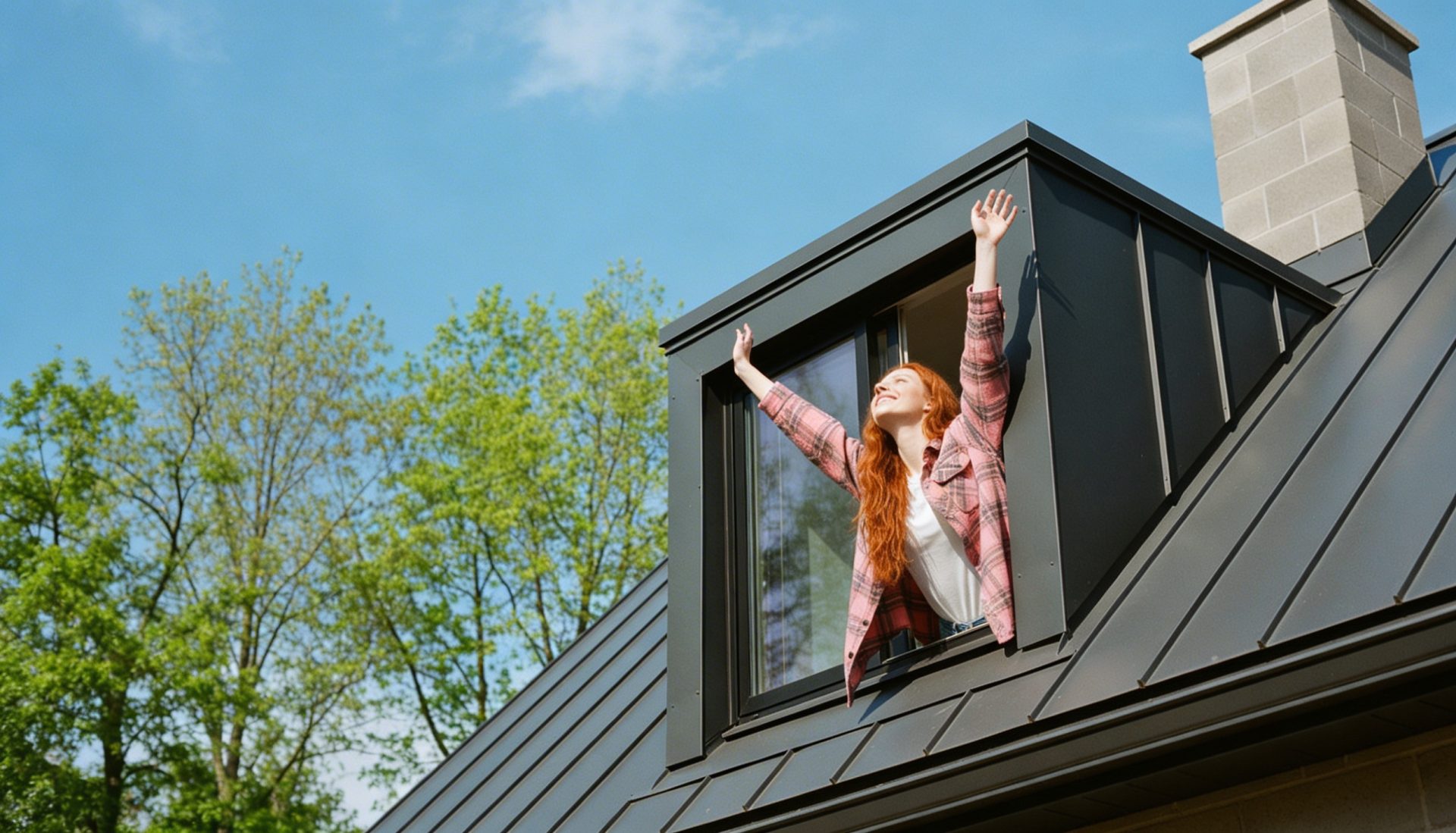

Dormer windows have been solving the same problem for centuries: how to make upper floors livable. What started as a simple way to bring light and air into cramped attic bedrooms has evolved into one of the most versatile architectural features in residential design.
In this article, we explore the most common dormer styles, compare dormers with gable windows, and help you choose the right window solution for your project.
- What are dormers?
- Types of dormers
- Dormer vs. gable windows
- Home styles with dormer windows
- Roof vs. wall dormers
- What type of windows work well in a gabled dormer?
- How to pick windows for a dormer
- FAQ
Key Takeaways:
- What dormer windows are, how they change both the roofline and the interior space, and why they have been used in homes for centuries.
- How different dormer styles shape the look and function of a house, and how they compare with alternatives like gable windows.
- What factors matter when choosing windows for a dormer project, from architectural fit to ventilation and custom sizing.
What are dormers?
A dormer is a structure that projects outward from a sloped roof and usually includes a vertical window. It changes both the roof’s exterior shape and the room’s interior feel behind it. Instead of building outward, a dormer creates more usable space within the existing roof structure.
Dormers introduce more daylight into areas that often lack adequate window placement. They can improve ventilation, especially when paired with an operable window. They also add headroom, which makes the room easier to furnish and more comfortable to use.
On the outside of the home, dormers break up a large roof plane and add architectural character. In many projects, that visual impact is just as important as the extra light or space.

Types of dormers
Dormer windows come in several forms, and each one changes the look and function of the roof in a different way. The right choice depends on how much space you want to gain, how visible you want the dormer to be, and how closely it should match the home’s architecture.
Gabled dormers
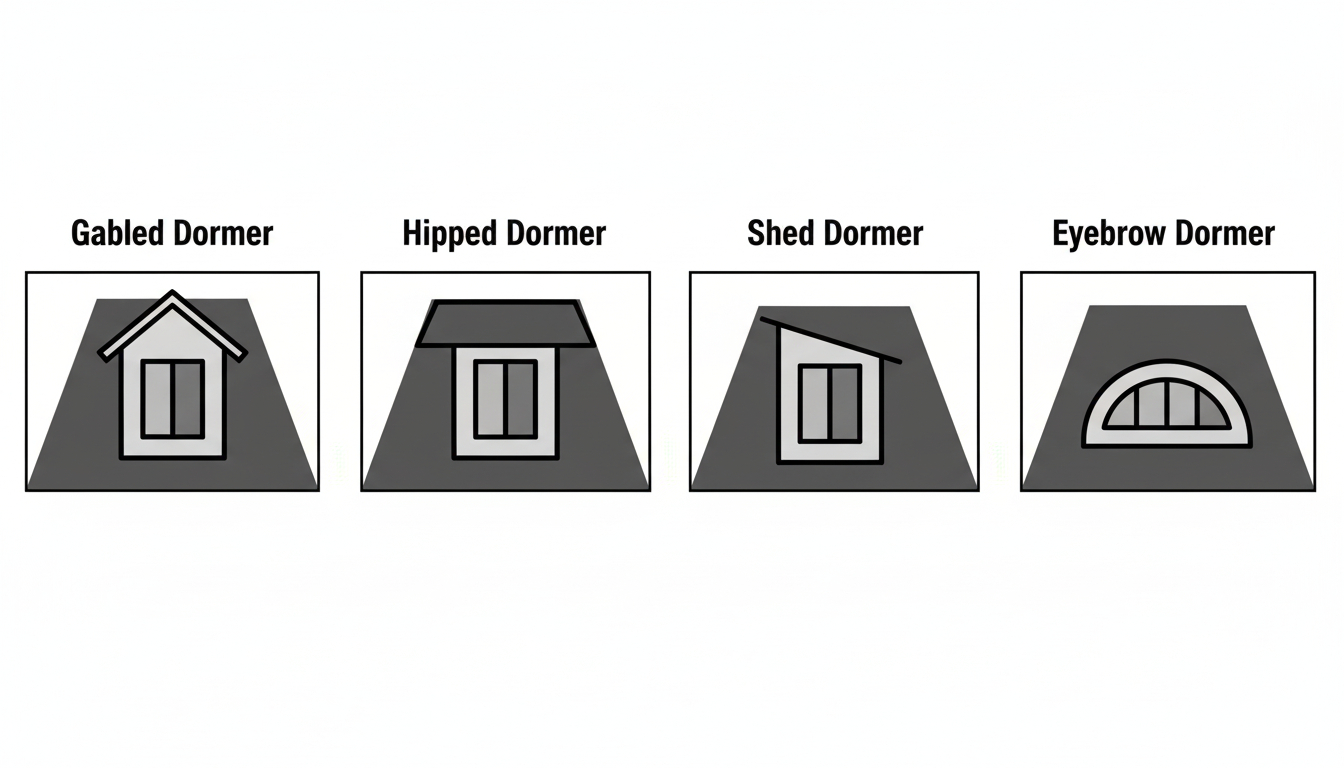
Gabled dormers have a pitched roof with two sloping sides that meet at the top, creating a triangular shape. This is one of the most familiar dormer styles and a common choice for traditional homes such as Cape Cod, Colonial, or Tudor-inspired designs.
Homeowners often choose gabled dormers for a classic, symmetrical appearance that stands out clearly on the roofline.
Shed dormers
Shed dormers have a single roof slope, which gives them a simpler and more horizontal appearance. They are often used when the main goal is to gain more headroom and usable floor area.
This makes them especially practical for attic conversions or larger upper-floor renovations where interior function matters as much as exterior design.
Hipped dormers
Hipped dormers have three sloping roof sides, which creates a softer and more integrated look than a gabled dormer. They tend to feel more blended into the roofline and can work well on homes where the dormer should support the architecture without becoming the main focal point.
Eyebrow dormers
Eyebrow dormers have a curved roof profile rather than straight lines or sharp angles. They are usually smaller and more decorative than other dormer types.
These dormers are often chosen to add charm, soften the roofline, or introduce a more custom architectural detail without dramatically changing the upper-floor layout.
The best dormer type depends on your priorities, whether that’s maximizing usable space, adding visual character, or maintaining architectural consistency. In most cases, the strongest result comes from balancing all three.
Dormer vs. gable windows
Dormer windows and gable windows are often confused, but they are not the same thing. A dormer projects outward from a sloped roof, creating a new structure with its own roof and vertical window. A gable window sits in the wall of a gable end and does not extend outward from the house.
That difference matters because a dormer changes more than just the amount of light entering the room. It also affects the shape of the upper floor and can add usable headroom. A gable window can brighten a space, but it usually will not make the room feel larger or more functional in the same way.
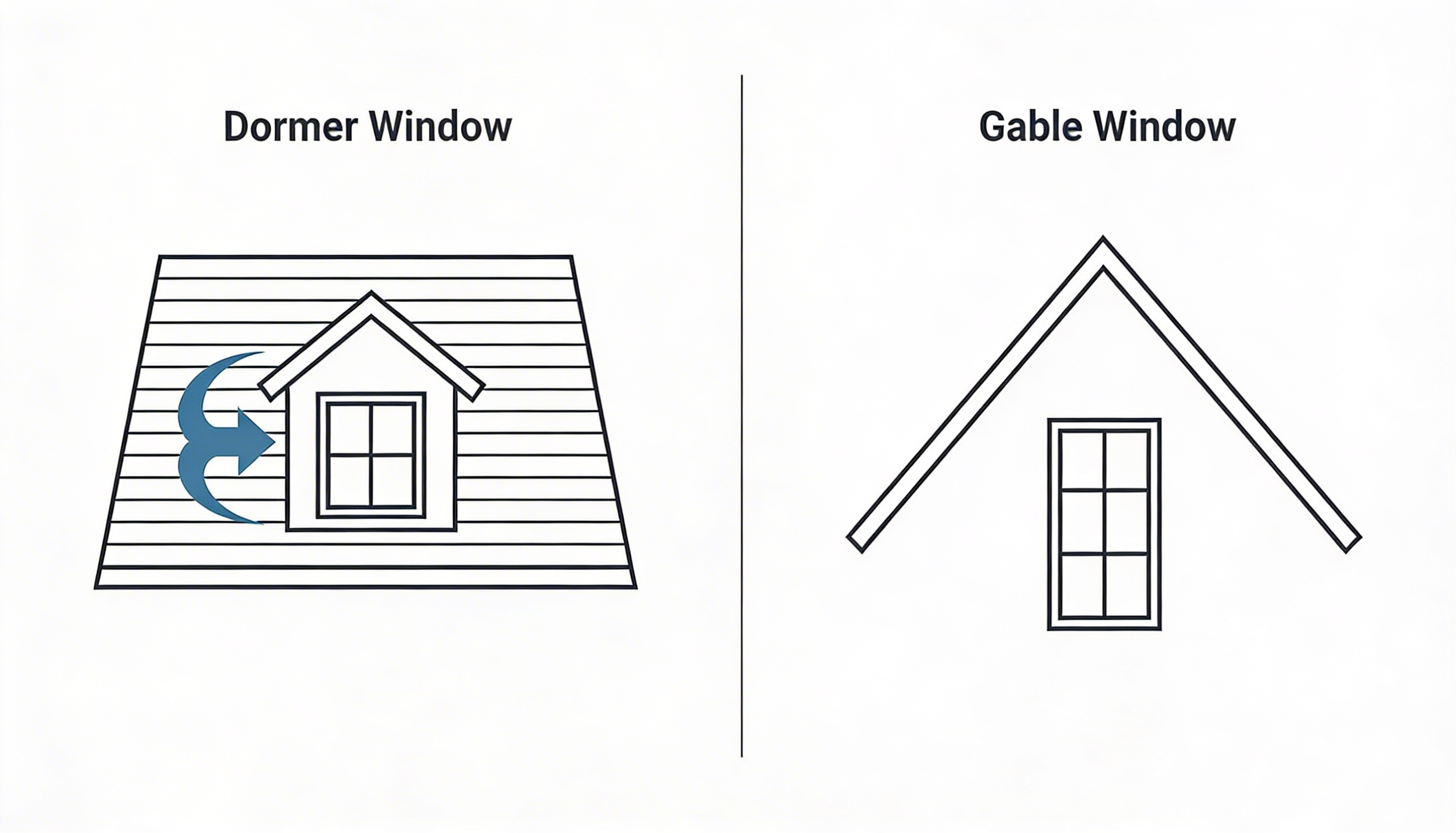
A dormer is often the better choice when the goal is to create more livable upper-floor space, introduce a stronger architectural feature, or solve a layout problem that goes beyond what a standard wall window can address. If the room feels cramped because of the roof slope, adding light alone may not be enough. In that case, a dormer can make a much bigger difference.
Home styles with dormer windows
Dormer windows work best on homes where the roofline plays a major role in the overall design. When the proportions are right, a dormer looks like a natural part of the house rather than an added feature.
- Cape Cod homes pair naturally with gabled dormers that reinforce traditional symmetry and make upper-floor rooms more usable.
- Farmhouse designs work well with gabled dormers for a classic look or shed dormers when the priority is more interior space and daylight.
- Tudor and historic revival homes often suit more expressive dormer forms that echo the character of the main roofline.
- Shingle-style and Colonial-inspired homes benefit from hipped or eyebrow dormers, which feel softer and more integrated with layered roof forms.
- Modern homes tend to use clean shed dormers that add light and headroom without decorative complexity.
Roof vs. wall dormers
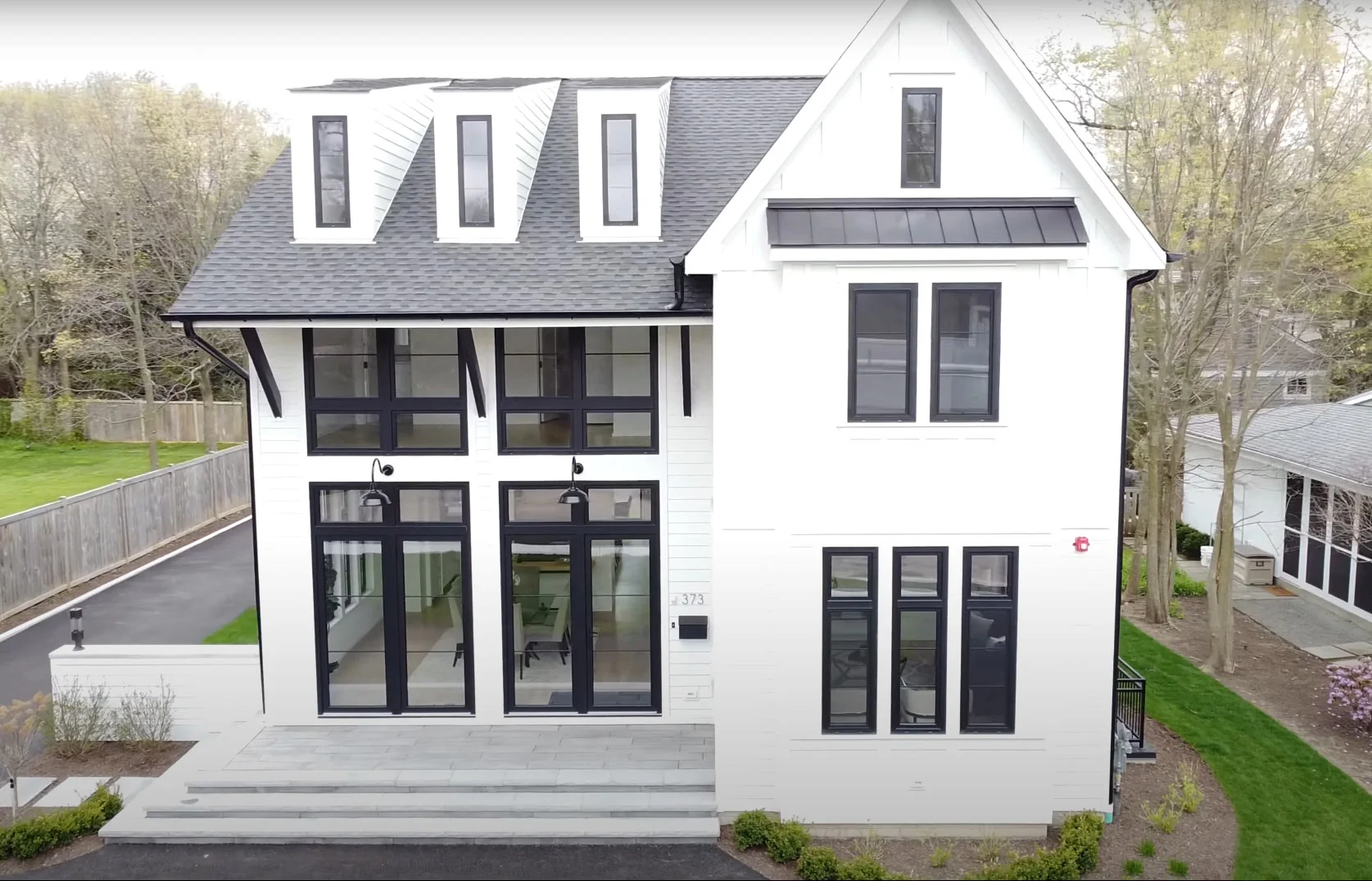
Not all dormers connect to the house in the same way. One important distinction is whether the dormer is built into the roof plane or rises from the wall and extends into the roof area.
A roof dormer sits within the slope of the roof. This approach often gives homeowners more flexibility in terms of placement and overall size. It can be a practical option when the goal is to add light or improve a specific upper-floor room without reshaping too much of the existing wall structure.
A wall dormer starts at the exterior wall and continues upward into the roof or eave line. Because of that vertical starting point, wall dormers often allow taller windows and create a stronger upright presence on the façade.
This choice affects more than appearance. It also changes how much daylight reaches the room, how much headroom is gained inside, and how prominent the dormer looks from the exterior. A taller dormer may create a more open feeling inside, while a roof dormer may feel more subtle from the street.
What type of windows work well in a gabled dormer?
The right window for a gabled dormer depends on what the dormer is meant to do. In some homes, the dormer is mainly decorative and helps balance the roofline. In others, it plays a more practical role by bringing in light, improving ventilation, or making an upper-floor room feel more usable.
If the goal is to maintain a traditional look, the best choice is often a window that matches the rest of the home in proportion, grille pattern, and finish. Consistency matters, especially in older homes or renovations where the dormer should feel like part of the original architecture.
In more design-focused renovations, a dormer window can become a focal point. A larger glazed area may help frame a view, brighten a dark upper room, or make the new space feel more open. In these cases, the window does more than fill an opening. It shapes how the room is experienced.
Function also matters. If ventilation is important, an operable unit is usually the better choice. If the priority is daylight, symmetry, or a clean exterior composition, a fixed unit may be enough.
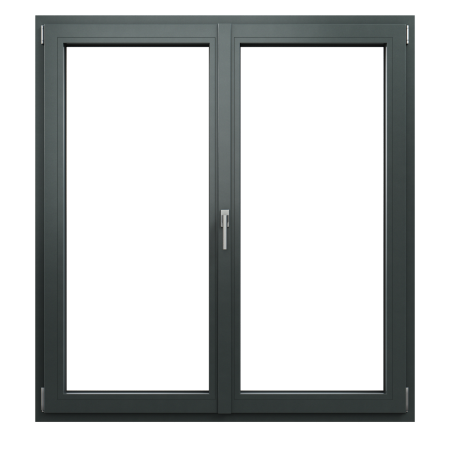
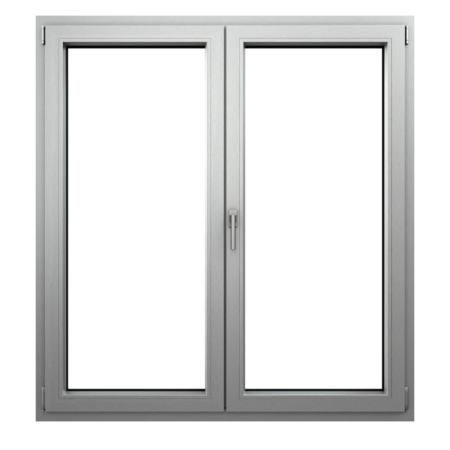
This is where custom solutions become especially valuable. Dormer projects often involve non-standard openings, especially in renovations where roof geometry, framing conditions, or existing proportions limit what can be installed. OKNOPLAST is a strong fit here because our windows can be custom made in a wide range of sizes, shapes, and finishes.
OKNOPLAST Tilt and Turn windows are particularly useful in dormers. They allow easy ventilation, can be cleaned from inside the room, and offer strong thermal performance. This is especially important in upper-floor spaces that are more exposed to temperature extremes.
How to pick windows for a dormer
Choosing windows for a dormer starts with a few practical questions. Is the dormer mainly there to bring in more light, create more usable space, or strengthen the look of the house from the outside? The answer affects everything from window size to whether the unit should open.
Dormer openings are not always standard, particularly in renovations or older homes where the roof structure shapes the final dimensions. A dormer window may look simple from the outside, but success depends on sizing the opening correctly, choosing the right glazing package, and making sure installation is handled with precision.
Ready to start planning your dormer project? Find an OKNOPLAST dealer near you to discuss your options with a certified professional.
FAQ
Yes. Dormers can increase usable space, bring more daylight into upper floors, and improve curb appeal. These improvements often make the home more attractive to buyers.
In most cases, yes. Dormers are commonly added during attic renovations because they increase headroom, improve ventilation, and make the space more comfortable to use.
Yes. Dormer openings are often non-standard, especially in renovations. Custom windows, such as OKNOPLAST Tilt and Turn custom windows, allow homeowners to match the exact size, shape, and performance requirements of the project.
Let’s talk about your project!
Request a quote, discuss specifications, or get help choosing the right system
Send a request
"*" indicates required fields