


How Much Does It Cost to Replace a Front Door in 2026?


A new front door typically costs $500 to $2,500 or more installed, depending on material, with steel the least expensive option and wood the most expensive. The investment case is unusually strong: replacing an entry door with an insulated steel unit ranked as the second-highest return on investment of any home renovation project nationally in the Journal of Light Construction’s 2025 Cost vs. Value report, behind only garage door replacement.
Key Takeaways:
- Front door replacement typically costs $500 to $2,500 or more installed, with steel cheapest and wood most expensive.
- Entry door replacement with an insulated steel unit ranked #2 for resale ROI nationally among all renovation projects in the JLC 2025 Cost vs. Value report.
- The §25C tax credit covered entry doors at $250 per door, up to 2 doors, within a shared $1,200 annual cap, but it was repealed under the One Big Beautiful Bill Act and expired after December 31, 2025; it no longer applies to doors purchased in 2026. OKNOPLAST doors were not ENERGY STAR certified and did not participate in the ENERGY STAR or §25C programs.
- OKNOPLAST’s BASIC and PREMIUM uPVC entry door lines cover standard through higher-spec applications, with a 10-year Limited Warranty.
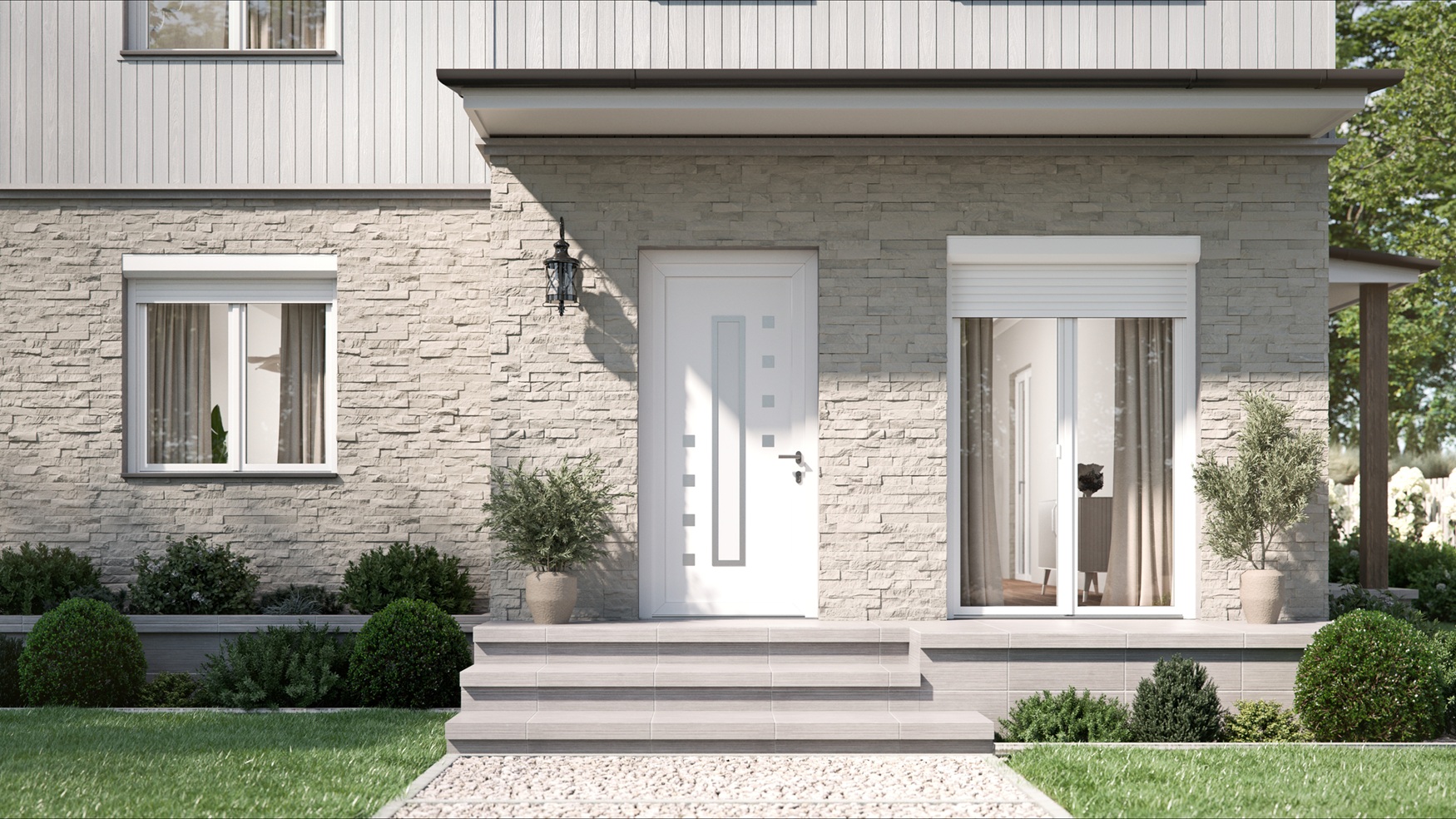
How Much Does It Cost to Replace a Front Door in 2026?
A single front door replacement typically runs $500 to $2,500 or more installed, while a double-door entrance commonly costs $1,500 to $6,500 or more, according to contractor-reported market data rather than a single standardized industry survey. One frequently cited national average lands around $1,800 installed for a mid-range steel or fiberglass door, though individual quotes vary significantly by material, size, and installation complexity.
These figures cover the door unit, frame, and standard installation. Sidelights, transoms, custom sizing, decorative glass, and structural framing repairs are common add-ons that push a project well beyond the base range, sometimes doubling the total cost of a straightforward replacement.
Standard US front door openings are typically 36 inches wide by 80 inches tall, with 32-inch and 34-inch widths also common on older or smaller homes. A door built to one of these standard sizes avoids the custom-manufacturing premium and framing modifications that a non-standard or oversized opening requires, which is worth confirming with a tape measure before assuming a quote reflects standard pricing.
What Drives the Price Difference Between Steel, Fiberglass, and Wood?
Material is the single biggest lever on front door cost, and the three common options sit in a consistent order across most contractor pricing: steel least expensive, fiberglass in the middle, and wood the most expensive of the three.
| Material | Typical Installed Cost | Notes |
| Steel | $400–$1,000 | Least expensive; strong security; can dent or rust if the finish is damaged |
| Fiberglass | $900–$2,000+ | Resists warping and denting; mimics wood grain; low maintenance |
| Wood | $875–$3,500+ | Premium appearance; requires periodic refinishing; can warp in humidity |
Steel’s low cost and strong security performance make it the default choice for budget-conscious, security-focused buyers, though a dented or scratched steel door is harder to repair invisibly than a hit to fiberglass or wood. Fiberglass splits the difference: it resists the warping, cracking, and moisture damage that affect wood while offering a wood-grain appearance at a real cost premium over steel. Wood commands the highest price and the most maintenance, refinishing every few years, but remains the reference point for high-end curb appeal. OKNOPLAST’s BASIC uPVC entry door line covers standard residential applications, while the PREMIUM line adds a thicker sash and broader configuration options suited to higher-spec projects, both backed by a 10-year Limited Warranty.
Which Door Material Fits Your Climate?
Climate should factor into material choice as much as budget, since each of the three common materials has a specific weakness that shows up faster in some climates than others.
- Steel: prone to rust if the paint or finish is chipped and exposed to consistent humidity or coastal salt air, a bigger factor in Gulf Coast and Atlantic coastal climates than in dry inland regions
- Wood: most prone to warping, swelling, and finish failure in humid or highly variable climates, and requires more frequent maintenance in those conditions to avoid problems
- Fiberglass: the most climate-versatile of the three, resisting the moisture-related failure modes of both steel and wood, which is part of why it commands a price premium over steel
A door that performs well in a dry, moderate climate is not automatically the right choice in a humid coastal region or an area with large seasonal temperature swings, which is worth weighing alongside upfront cost rather than after a material choice has already been made.
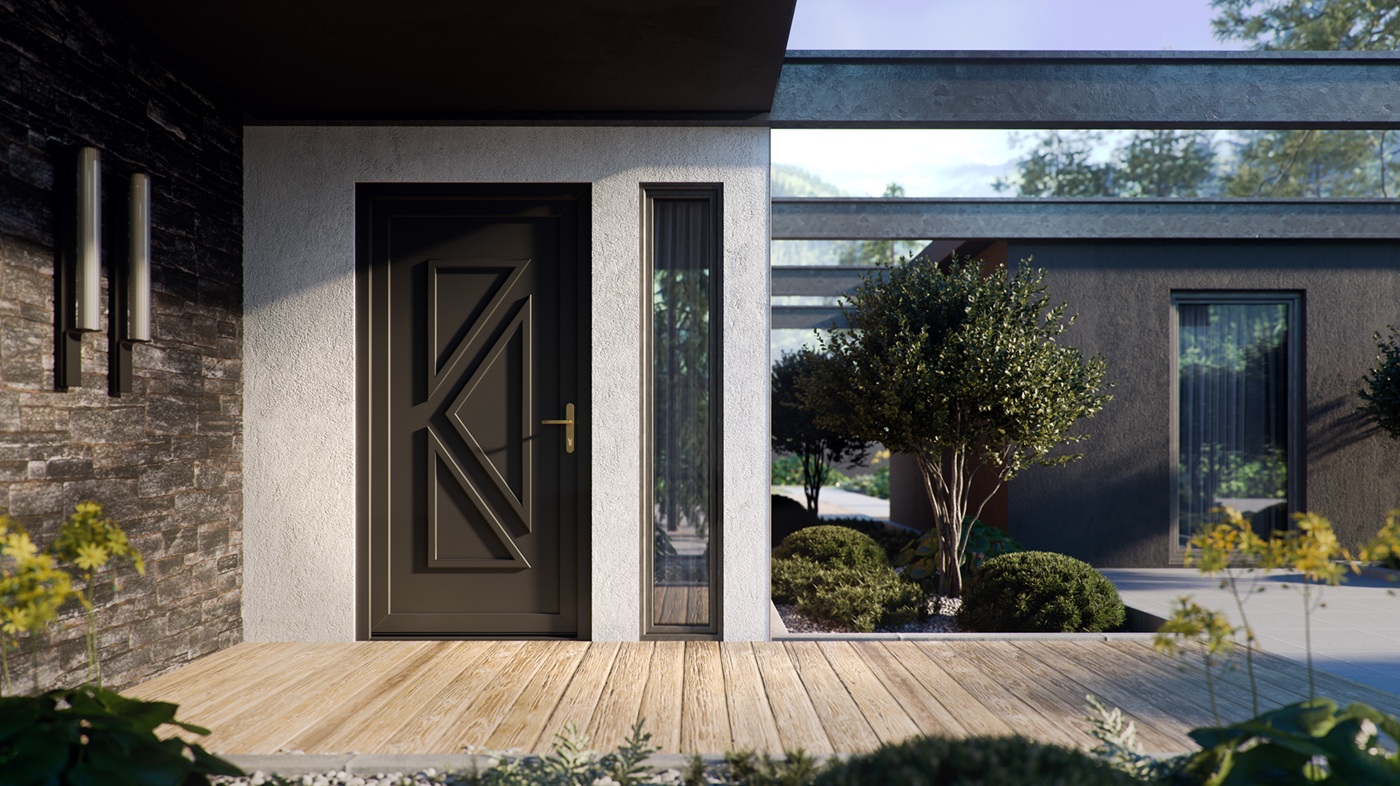
Should You Also Install a Storm Door?
A storm door is worth adding in most climates, since it protects the front door itself while adding a layer of insulation: it’s a secondary exterior door installed in front of the main entry door that shields a wood door from the sun and rain exposure that causes warping, reduces drafts, and, in many designs, adds a second lock as an extra security layer.
Storm door installation typically costs $350 to $950, with a commonly cited national average around $400 to $450, according to contractor-reported market data. The case for adding one is strongest for wood front doors, which benefit most from the added weather protection, and for homes in climates with significant sun exposure, wind-driven rain, or cold winters, where the extra insulating layer has the most impact. Installing a storm door at the same time as a front door replacement is usually more efficient than adding one later, since the same crew and mobilization cover both projects in a single visit.
Signs It’s Time to Replace Your Front Door
A front door typically lasts 20 to 30 years depending on material and exposure, and several specific signs indicate replacement is worth considering well before that range is reached.
- Noticeable drafts around the frame or weatherstripping, which increase heating and cooling costs
- Visible warping, cracking, or a door that no longer closes flush in its frame
- A sticking or difficult-to-operate lock, worn hinges, or hardware that no longer functions smoothly
- Missing modern security hardware, such as a multi-point locking system, on an older single-latch door
- Faded, peeling, or otherwise deteriorated exterior finish that no longer responds to refinishing
Does a New Front Door Really Pay for Itself?
Replacing an entry door with an insulated steel unit ranked second among all renovation projects nationally for resale ROI in the Journal of Light Construction’s 2025 Cost vs. Value report, with the report noting that the top three projects that year, led by garage doors and followed by steel entry door replacement, were worth more than double their investment cost at resale.
That figure reflects national averages, and actual resale value varies by region, local market conditions, and how the rest of the home compares to similar listings, factors the JLC report itself accounts for through regional and metro-level data. Beyond resale value, a new door also reduces draft and heat-loss issues around the frame and weatherstripping, a comfort and energy benefit that applies regardless of whether or when the home is eventually sold.
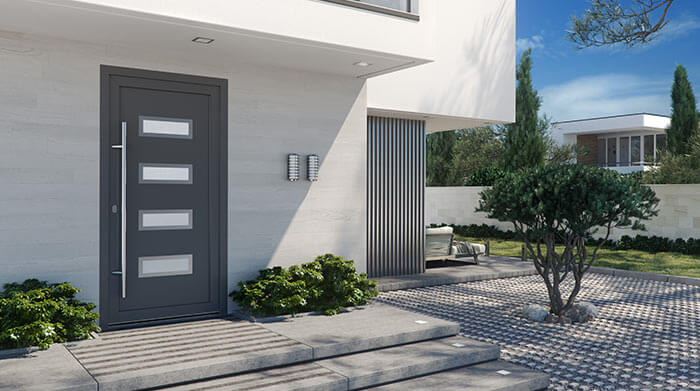
Did the §25C Tax Credit Ever Apply to Entry Doors?
The §25C Energy Efficient Home Improvement Credit covered entry doors at up to $250 per door and a maximum of 2 doors per year, for a $500 annual cap that sat within a combined $1,200 limit shared with windows, skylights, insulation, and electrical panel upgrades, while the program was in effect. It was repealed under the One Big Beautiful Bill Act and expired for property placed in service after December 31, 2025, so it does not apply to doors purchased or installed in 2026.
| §25C Detail (Program Expired December 31, 2025) | Requirement While Active |
| Annual cap for doors | $500/year, within a shared $1,200 cap that also covers windows, skylights, insulation, and electrical panel upgrades |
| Per-door limit | $250 per door, maximum of 2 doors per year |
| Credit rate | 30% of product cost (installation labor excluded) |
| Eligible property | Existing primary residence only; new construction does not qualify |
While active, the credit applied to product cost only; installation labor was excluded from the calculation. It was also limited to an existing primary residence, so a door installed as part of new construction never qualified. Homeowners who completed a qualifying door purchase by December 31, 2025 may still be able to claim the credit retroactively on that tax year’s return; a tax advisor can confirm eligibility. OKNOPLAST doors were not ENERGY STAR certified and did not participate in the ENERGY STAR or §25C programs while the credit was active.
What Security Features Should a New Front Door Have?
A multi-point locking system is the single biggest security upgrade a new front door offers over an older single-latch design, engaging several points around the door perimeter simultaneously rather than relying on one latch and one deadbolt to resist forced entry.
OKNOPLAST uses WINKHAUS hardware to meet RC1 and RC2 security ratings on its door systems, ratings that reflect independent resistance testing against forced-entry methods rather than a marketing label. Confirming which security rating a specific door configuration achieves, rather than assuming all doors in a product line meet the same standard, is worth doing explicitly when security is a priority alongside cost and appearance.
Deadbolts and locksets sold in the US also carry an ANSI/BHMA grade, a separate rating system from RC1/RC2 that measures cycle life and impact resistance rather than whole-assembly forced-entry testing. Grade 3 is the minimum standard commonly found in new construction, Grade 2 is the level typically recommended for exterior residential doors, and Grade 1 offers the highest cycle and impact resistance, usually at a price premium. Checking for an ANSI/BHMA grade on the packaging or spec sheet is a useful second data point alongside a door’s overall security rating, since the two systems test different things.
Should You Add a Smart Lock or Home Automation?
A smart lock or home automation upgrade is worth adding at the point of door replacement specifically, rather than retrofitting it separately later, since the electrical and hardware planning is easiest to handle during the original installation.
OKNOPLAST’s SMART system supports app-based and voice control for compatible door and window hardware, an option worth discussing at the specification stage if whole-home smart access is part of the broader project rather than an afterthought bolted onto a finished installation.
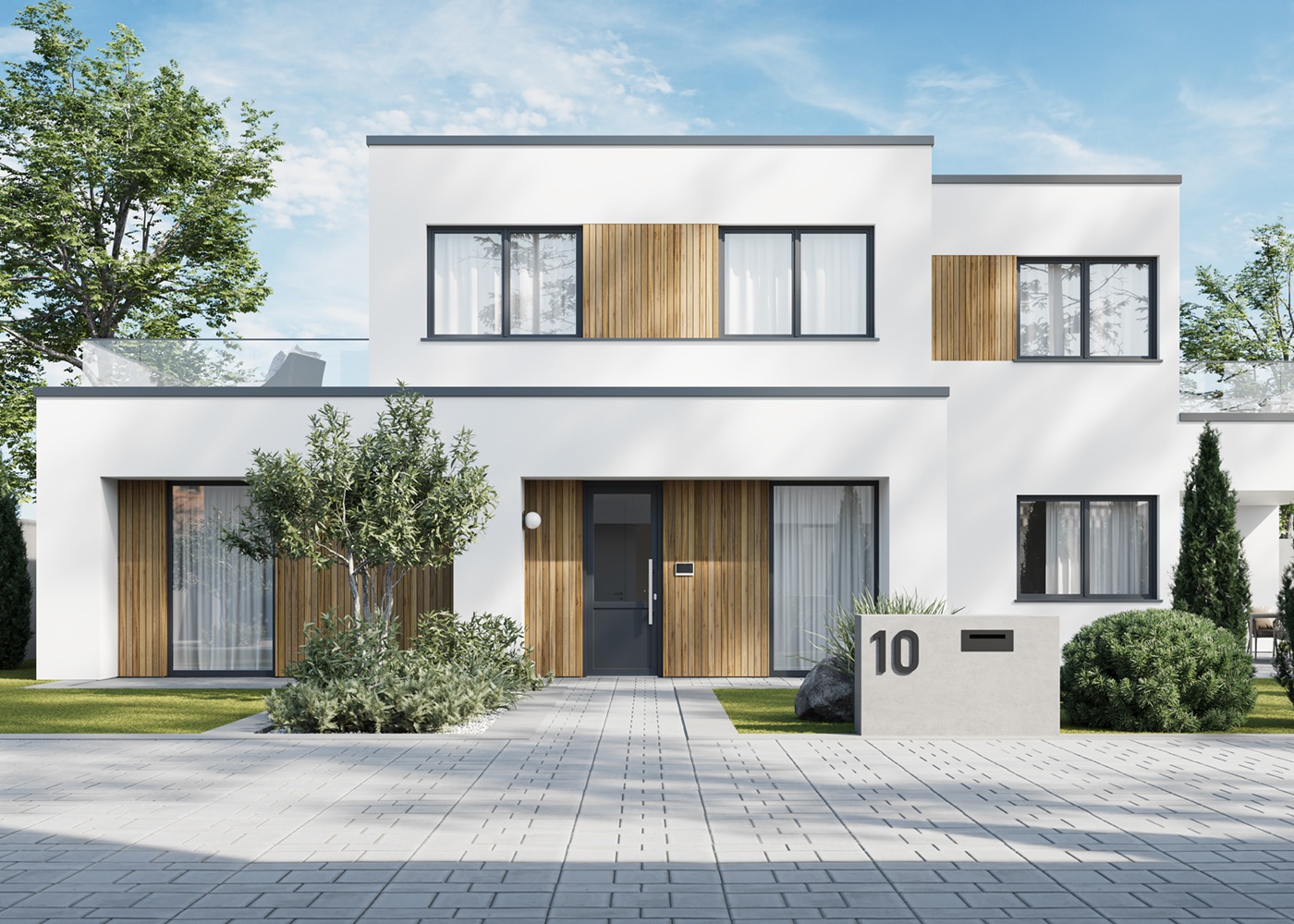
Is a Zero-Threshold Entry Right for You?
A zero-threshold, or step-free, entry removes the raised sill most front doors are built with, a detail that matters most for homeowners planning to age in place, accommodating a wheelchair or walker user, or simply preferring a flush transition between indoor and outdoor flooring.
This is a design and installation decision made at the time of door replacement, not a code requirement for most single-family homes, so it is worth raising explicitly with a contractor if step-free access matters for your household, rather than assuming a standard replacement door will include it by default.
What Hidden Costs Should You Expect Beyond the Door Itself?
Several cost factors sit outside the base door price and are worth confirming before comparing contractor quotes, since leaving them out of an estimate is a common way a project’s final bill exceeds its initial quote.
- Removal and disposal of the old door and frame, typically bundled into the installed price but worth confirming is included
- Framing repair, relevant when the rough opening has rot, water damage, or settling that needs correction before a new door can be properly installed
- Sidelights, transoms, or decorative glass, each priced separately from the door unit itself
- Hardware upgrades such as smart locks, higher security ratings, or custom finishes beyond a standard handleset
- Professional installation itself: a front door carries structural and security weight a typical DIY installer is not equipped to guarantee, and improper installation can compromise both weathertightness and forced-entry resistance, which is why this is one project where professional installation is worth the added labor cost rather than a candidate for DIY
- Slab versus pre-hung installation: a pre-hung door, already mounted in its own frame, generally installs faster and costs less in labor than a slab door, which fits into an existing frame but requires more precise on-site fitting and hardware work
Do You Need a Permit to Replace a Front Door?
Replacing a front door with the same size and rough opening as the one it replaces typically does not require a permit in most US jurisdictions, but enlarging the opening, moving the door’s location, or any work that affects a load-bearing header almost always does.
Local requirements vary enough that confirming with the local building department before work begins is worth the five-minute phone call, particularly for any project that changes the opening size rather than swapping a like-for-like replacement into the existing frame.
Homes in a designated historic district or with individual landmark status carry an additional layer of review beyond a standard permit, typically requiring approval from a local historic preservation commission for the new door’s style, material, and sometimes color before installation. Confirming historic district status with the local planning department before ordering a door avoids a mismatch between what was purchased and what the commission will approve.
FAQ: Front Door Replacement Cost 2026
A single front door replacement typically costs $500 to $2,500 or more installed, with a commonly cited national average around $1,800 for a mid-range steel or fiberglass door. Double-door entrances run $1,500 to $6,500 or more.
Steel is typically the least expensive front door material, running $400 to $1,000 installed, with strong security performance. Fiberglass and wood cost more but offer different trade-offs in appearance and maintenance.
Yes, entry door replacement with an insulated steel unit ranked second nationally for resale ROI among all renovation projects in the JLC 2025 Cost vs. Value report, with the top three projects that year worth more than double their investment cost.
RC2 is a widely recognized forced-entry resistance rating for residential doors, verified through independent testing rather than marketing claims. OKNOPLAST uses WINKHAUS hardware to meet RC1 and RC2 ratings on its door systems.
Fiberglass is generally the most climate-versatile option, resisting the rust risk steel faces in humid or coastal air and the warping risk wood faces in high humidity. Steel and wood can still work but require more attention to finish maintenance in those conditions.
Professional installation is strongly recommended for front doors. The structural fit, weatherproofing, and security hardware alignment involved are difficult to guarantee with a DIY installation, and mistakes can compromise both energy performance and forced-entry resistance.
Like-for-like replacement in the same size and opening usually does not require a permit in most US jurisdictions. Enlarging the opening, relocating the door, or altering a load-bearing header almost always does, and requirements vary by local building department.
Storm doors typically cost $350 to $950 installed and are most worth adding for wood front doors, which benefit most from the extra weather protection, or in climates with heavy sun, wind-driven rain, or cold winters. Installing one alongside a front door replacement is usually more efficient than adding it later.





Let’s talk about your project!
Request a quote, discuss specifications, or get help choosing the right system
Send a request
"*" indicates required fields