


Window Color & Finish Guide: Matching Frames to Architectural Style
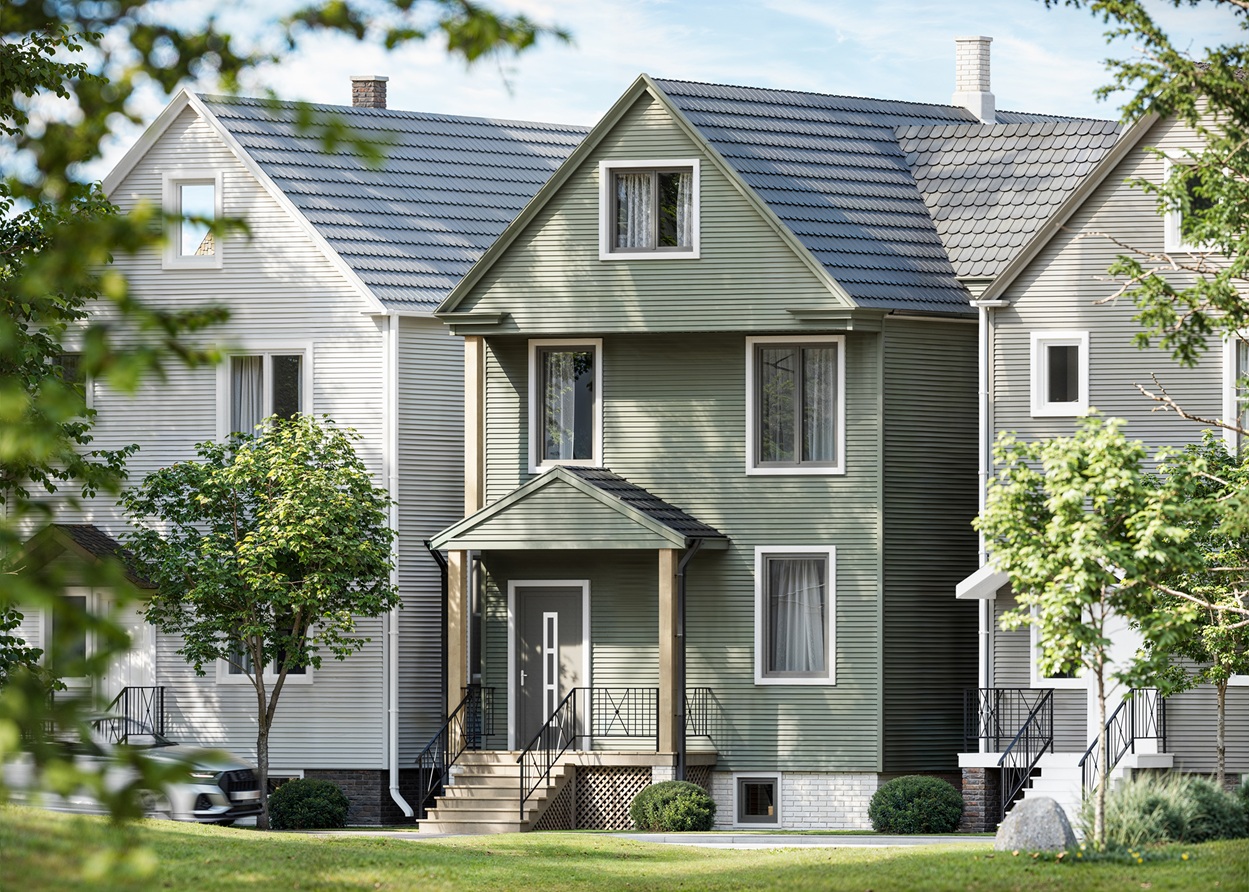

Window color and finish can reinforce a home’s architectural character or work against it. The right choice considers more than the facade: materials, proportions, frame profiles, grille patterns, and the interior palette all shape how naturally a window fits the architecture.
Key Takeaways:
- Colonial and Victorian homes suit traditional frame colors and grille patterns.
- Craftsman homes pair well with warm woodgrain finishes, while modern farmhouse often favors dark frames.
- Mediterranean and Spanish Colonial facades work well with warm earth tones and deeper frame colors.
- Modern, Mid-Century, and industrial homes often suit clean profiles and dark or metallic finishes.
- BiColor frames allow exterior and interior palettes to differ while remaining visually cohesive.

How does architectural style determine the right window frame color and finish?
Matching window frame color and finish to a home’s architectural style means balancing frame material, color, finish, and grid pattern with the building as a whole. The goal is to create visual harmony between the window, facade, trim, and other architectural details.
The window frame style matters as much as the color. Traditional homes often suit established frame colors, woodgrain textures, and more detailed grids that relate to brick, stone, wood, or painted trim. Modern homes generally allow more contrast, simpler profiles, and larger areas of uninterrupted glass.
Finish changes the effect, too. Warm wood tones can add depth to Craftsman and rustic designs, while dark shades create a stronger contemporary expression. Matte and semi-matte surfaces offer a quieter appearance; woodgrain adds warmth, while metallic finishes can give the frame a more distinctly contemporary character.
When matching designs, look at the facade as a whole:
- Roof and siding
- Brick, stone, or stucco
- Trim and exterior doors
- Interior palette
- Frame material and finish
A thoughtful color selection can make the window recede into the composition or turn it into a deliberate architectural accent. The right combination should support the home’s aesthetics and create a cohesive look, rather than simply follow short-lived design trends.
Established architectural styles can move in and out of favor over time. A 2025 AIA Home Design Trends Survey found a −31% net change in the popularity of modern farmhouse, compared with +41% for contemporary home styles and facades, +21% for eclectic styles, and +16% for mid-century.
Field Note: Evaluate frame samples against the actual facade materials and natural light before making the final color selection.
OKNOPLAST US: Options for Different Architectural Styles
OKNOPLAST US offers more than 50 color and finish options across its window systems, including uPVC and aluminum. Made-to-measure production allows the window configuration to be adapted to project dimensions, while BiColor options allow different exterior and interior finishes.
Depending on the configuration, published U-Factor values can reach as low as 0.14. Made-to-measure windows are produced to project dimensions, with an 8–10 week lead time, and the exterior color finish is covered by a 10-year warranty.
| Design element | Available options |
| Frame material | uPVC and aluminum |
| Finish texture | Matte, semi-matte, woodgrain, and metallic |
| Color range | 50+ color and finish options |
| Dual-color option | Different exterior and interior finishes |
Which frame colors and grille patterns suit colonial and victorian homes?
Colonial architecture favors symmetry and evenly spaced divided lites, while Victorian architecture allows more decorative grille patterns. Both approaches can reinforce the character of traditional homes when the pattern and frame color respect the proportions of the facade.
Colonial, Cape Cod, and Federal-style traditional homes are strongly associated with formal, symmetrical elevations. Regular rectangular grid patterns work naturally with this architecture. White and other restrained frame colors, as well as woodgrain finishes, can complement traditional siding, brick, stone, and painted trim.
Victorian architecture allows greater variation in detailing. Diamond patterns can reinforce its decorative character and sense of craftsmanship, although the appropriate pattern depends on the specific Victorian style and the amount of ornament already present on the facade.
Double-hung windows are strongly associated with Colonial and Victorian residential architecture. Other window types can be appropriate for new construction or renovation when ventilation, operation, opening size, or contemporary performance requirements take priority.
For historic renovations, historical integrity matters. Matching the original opening proportions, grille arrangement, and sightlines can often have a greater effect than reproducing every original material.
| Style | Grid pattern | Recommended finish |
| Colonial | Evenly spaced rectangular divided lites | White, heritage tones, or woodgrain |
| Victorian | Diamond or decorative patterns | Heritage tones or woodgrain |
The goal is not to make a modern window look artificially historic. It is to preserve the architectural cues that make the facade recognizable while taking advantage of contemporary window technology.
Field Note: Let the proportions of the opening guide the grille pattern.
OKNOPLAST US offers classic white, heritage, and woodgrain finishes that can complement traditional facades. Its Tilt and Turn Windows can also provide a contemporary alternative to period-authentic double-hung windows.
Which frame profiles and colors suit Craftsman and Modern Farmhouse homes?
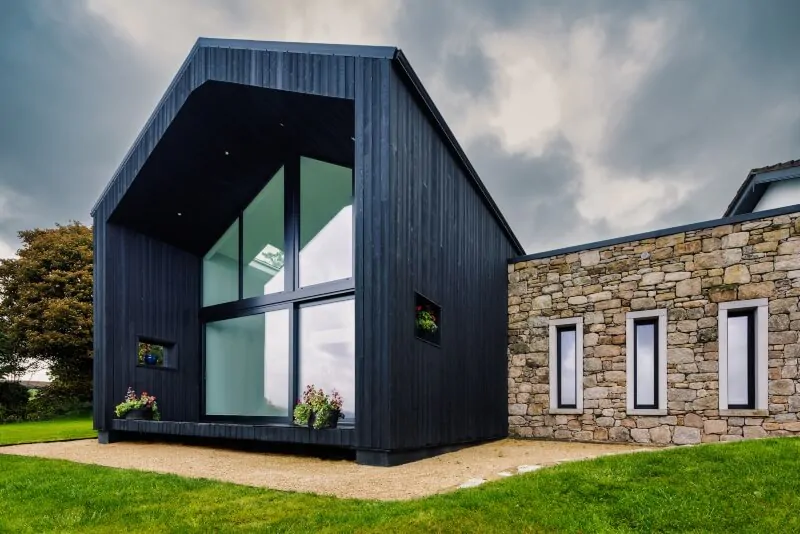
Craftsman homes favor natural materials, visible craftsmanship, and substantial detailing, while modern farmhouse usually relies on simpler lines and stronger color contrast.
Craftsman architecture works well with casement windows and double-hung windows, particularly when the frame proportions and grille layout reinforce the style. Craftsman and Prairie patterns can add detail without dividing the entire glass area into small panes.
Warm wood tones are a natural fit for Craftsman and other rustic designs. Wood-clad frames and some composite materials can reinforce the connection to natural materials, although the right frame material ultimately depends on the project’s performance, maintenance, and budget requirements.
Modern farmhouse takes a more contemporary approach. Dark exterior frame colors, simple divided lites, and clean profiles create contrast against light siding or trim. Dual-color frames can extend that idea indoors by pairing a darker exterior with a lighter interior.
| Style | Window type | Grid pattern |
| Craftsman | Casement or double-hung | Craftsman or Prairie |
| Modern Farmhouse | Casement or clean-profile configurations | Simple divided lites or minimal grids |
For both styles, functionality matters alongside appearance. Weather resistance, operation, glazing area, and maintenance requirements should all be considered when specifying the final window system.
Field Note: Craftsman can carry more detail; modern farmhouse usually benefits from restraint.
OKNOPLAST US Tilt and Turn windows offers woodgrain finishes for Craftsman-inspired designs and a standard black-and-white dual-color configuration suited to modern farmhouse exteriors.
Which frame colors suit Mediterranean and Spanish Colonial facades?
Mediterranean homes and Spanish Colonial facades often work well with warm materials, deeper frame colors, and strong architectural openings. The window should relate to the visual weight and material palette of the facade.
Stucco, terracotta, stone, and warm wood create a natural context for bronze, clay, terracotta-adjacent, and warm neutral frame colors. Arched openings can reinforce Spanish Colonial character, while casement windows work naturally with many Mediterranean compositions.
Both aluminum windows and vinyl windows can suit these projects. Aluminum can provide slimmer sightlines and a more defined contemporary expression. uPVC can provide warmer woodgrain and other finish options where the design calls for a softer appearance.
Color selection should therefore start with the facade materials rather than the window alone. The aim is matching designs into a cohesive look, with the frame supporting the building’s aesthetics instead of competing with them.
For projects with non-standard openings, the choice also needs to balance functionality and appearance. Opening size, operation, ventilation, glazing requirements, and weather exposure can all influence the appropriate configuration.
| Facade element | Recommended frame treatment |
| Arched openings | Coordinated profile with a warm or dark finish |
| Frame color | Bronze, clay, terracotta-adjacent, or warm neutral tones |
| Window type | Casement or configuration suited to the opening |
| Material | uPVC for warmer finishes or aluminum for slimmer sightlines |
Field Note: Test warm and dark finishes against the actual stucco, stone, or brick before committing to a color.
For Mediterranean and Spanish Colonial projects, OKNOPLAST US offers warm, earthy finishes and made-to-measure configurations for distinctive openings, including arched and non-rectangular formats.
Which frame profiles suit Modern, Mid-Century, and industrial-style homes?
Modern, Mid-Century, and industrial-style homes often call for minimalist profiles, expansive glazing, and restrained or dark finishes.
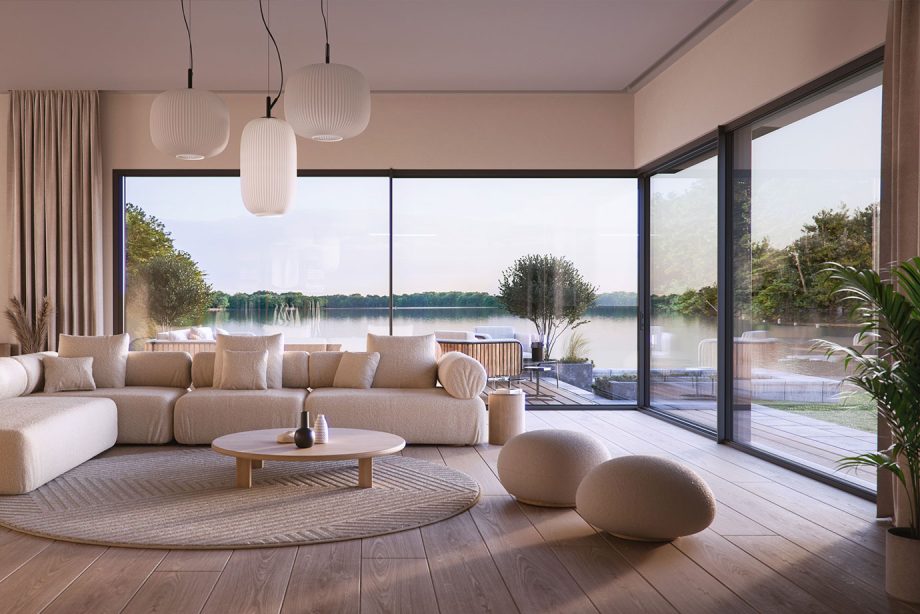
For modern homes, minimalist profiles and larger areas of glass can keep the facade visually quiet. Picture windows can maximize views and daylight, while narrow framing keeps the facade visually quiet. Aluminum windows are often considered where slim profiles and narrow sightlines are part of the design intent.
Mid-Century architecture can work well with expansive glazing, horizontal proportions, sliding windows, and dark shades or finishes. The window should reinforce the relationship between interior and exterior rather than interrupt it with unnecessary visual weight.
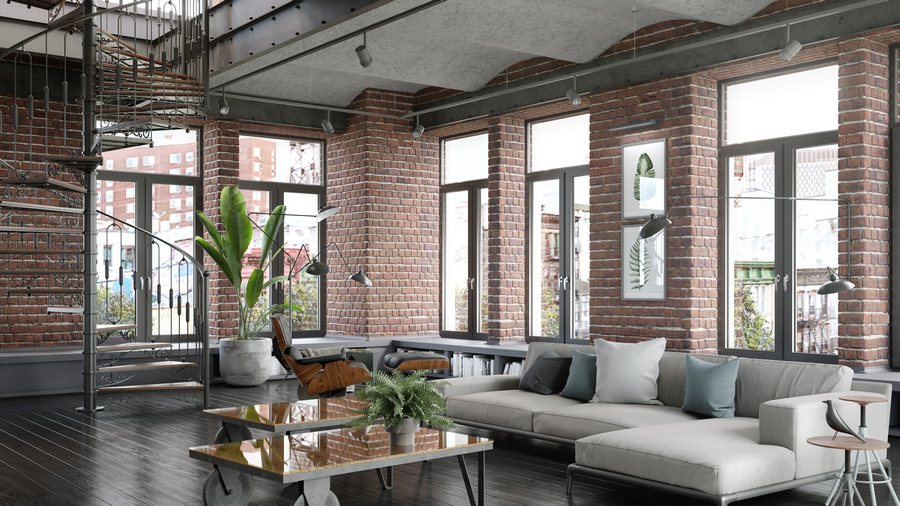
Industrial architecture gives the frame a stronger role. Aluminum can create a steel-inspired appearance while supporting contemporary glazing technologies. Fiberglass frames are another material option to evaluate when their specific performance characteristics suit the project.
For architects comparing window types, evaluate:
- Glazing area and sightlines
- Thermal control and overall performance
- Solar exposure
- Profile dimensions
- Glazing technologies
Current design trends may favor minimal framing, but the appropriate specification still depends on the building.
| Style | Preferred frame material | Window type |
| Modern/Minimalist | uPVC or aluminum | Picture, fixed, or Tilt and Turn |
| Mid-Century | Aluminum | Sliding or large fixed glazing |
| Industrial | Aluminum | Fixed, Tilt and Turn, or large-format configurations |
For a particularly direct industrial application, OKNOPLAST’s MIRU EVO STEEL uses narrow aluminum profiles and a steel-inspired aesthetic for loft-style, industrial, and minimalist architecture.
Field Note: In minimalist architecture, sightlines are part of the design, not merely a technical specification.
How do dual-color frames improve interior-exterior design harmony?
Dual-color frames allow the exterior and interior of a window to follow different palettes while keeping the overall design cohesive.
This is useful when the facade and interior have different requirements. A dark exterior can strengthen a contemporary, modern farmhouse, or Mediterranean facade, for example, while a lighter interior finish can coordinate with walls, flooring, cabinetry, or woodwork.
For matching designs, this means the frame colors do not have to compromise between two different environments. The exterior can respond to the architecture, while the interior can support the room’s aesthetics. The result can be greater visual harmony across both sides of the building envelope.
The approach can be particularly useful where functionality, color strategy, and architectural intent need to work together.
| Benefit | How dual-color frames deliver it |
| Facade flexibility | Exterior color follows the architectural palette |
| Interior coordination | Interior finish follows the room’s palette |
| Design continuity | One window connects different design languages |
Field Note: Choose BiColor when the exterior and interior genuinely call for different finishes.
OKNOPLAST US offers BiColor as a standard configuration, allowing the exterior and interior of the same window to follow different color palettes. It is available across relevant window types, including made-to-measure configurations.
How do grille patterns reinforce architectural identity without sacrificing light?
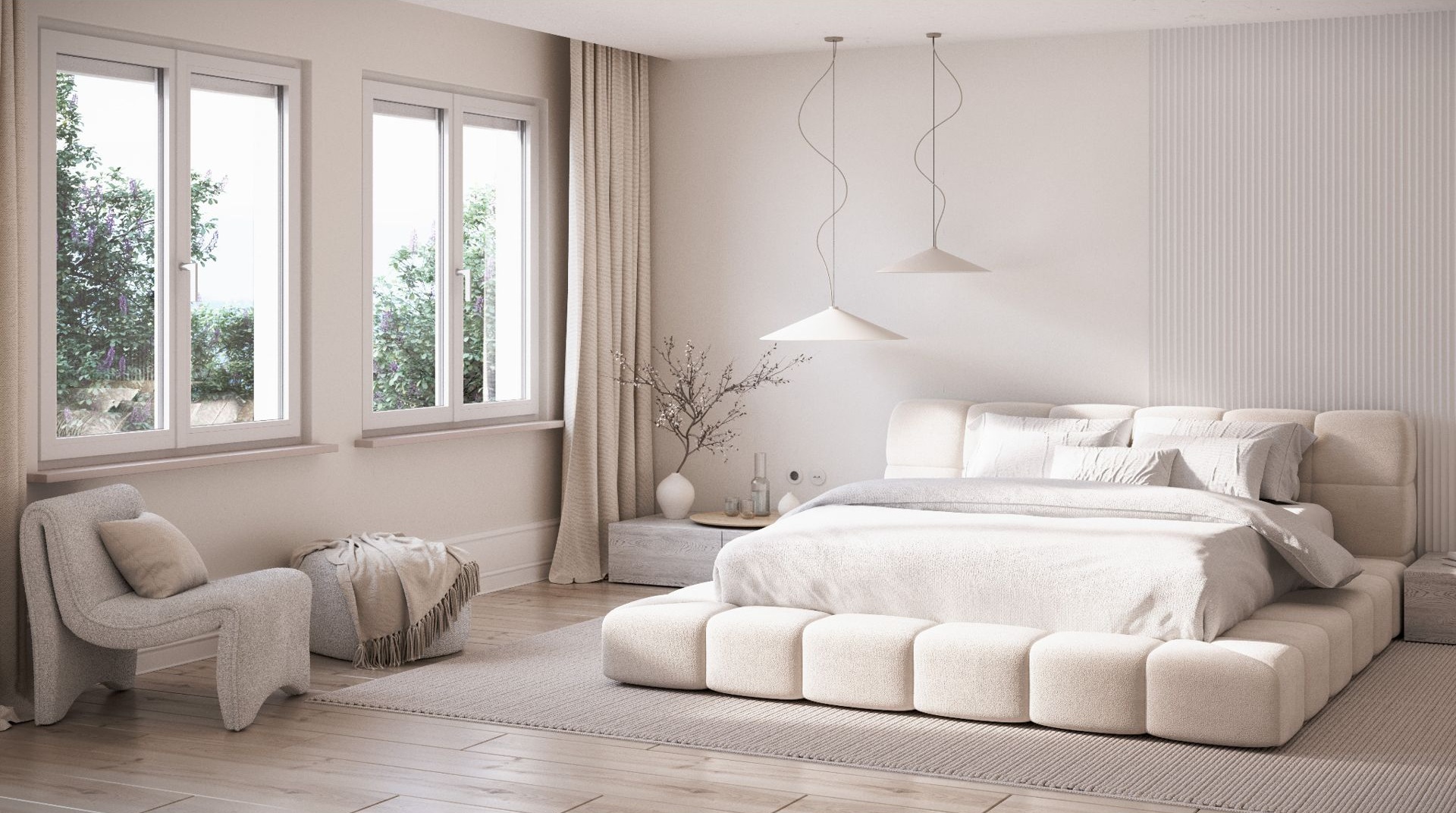
Grille patterns can add architectural character without necessarily dividing the glazing into separate glass units. The key is choosing the right pattern and understanding how the grille is constructed.
Simulated divided lites (SDL) create the appearance of individual panes by using muntins applied to the glazing or positioned between panes. True divided lites, by contrast, physically separate the glazing into individual units. The two approaches can produce a similar visual effect but represent different construction methods.
SDL can be useful when a project needs a traditional grille pattern while retaining larger areas of glass. This is particularly relevant to renovations and new homes inspired by historic styles, where daylight and contemporary performance still matter.
The pattern itself reinforces different architectural identities:
- Colonial: evenly spaced rectangular divisions reinforce symmetry and formality.
- Diamond: angled muntins add decorative character associated with Victorian architecture.
- Prairie: perimeter muntins frame a larger central area of glass.
- Craftsman: upper-sash emphasis supports the style’s characteristic proportions.
The amount of grille material also affects how much visual weight the window carries. Sightlines, glazing area, and the overall facade should therefore be considered together with aesthetics and historical character.
| Grid pattern | Architectural style | Visual effect |
| Colonial | Colonial architecture | Formal symmetry |
| Diamond | Victorian architecture | Decorative craftsmanship |
| Prairie | Craftsman and Prairie-style homes | Framed central glass area |
| Craftsman | Craftsman homes | Upper-sash emphasis |
Field Note: Use enough grille detail to establish the intended character without overwhelming the glass.
OKNOPLAST US uses simulated divided lites (SDL) to offer Colonial, Diamond, Prairie, and Craftsman grille patterns without structurally dividing the insulated glass unit. Made-to-measure production supports precise grid symmetry for non-standard openings.
Bring your architectural vision to the window
The strongest results come from treating the window as part of the architectural design from the start, with frame material, finish, profile, grille pattern, and interior-exterior coordination considered alongside the building’s proportions and performance requirements. Let’s talk about your project!
FAQ
White, heritage tones, and woodgrain finishes are versatile choices, particularly when they coordinate with existing trim, brick, stone, or siding.
Yes, although broader residential design trends are moving toward a wider range of contemporary and eclectic styles.
Yes, BiColor configurations allow the exterior and interior finishes to follow different palettes while maintaining a cohesive window design.
Yes, grille proportions and layouts can reinforce the character of Colonial, Victorian, Craftsman, and other traditional styles.
Both can work. Aluminum is particularly useful where slim sightlines and a contemporary appearance are priorities, while uPVC offers a broad range of color and finish options.



Let’s talk about your project!
Request a quote, discuss specifications, or get help choosing the right system
Send a request
"*" indicates required fields