


PAVA Impact: Solving the Structural-Aesthetic Paradox in HVHZ Zones
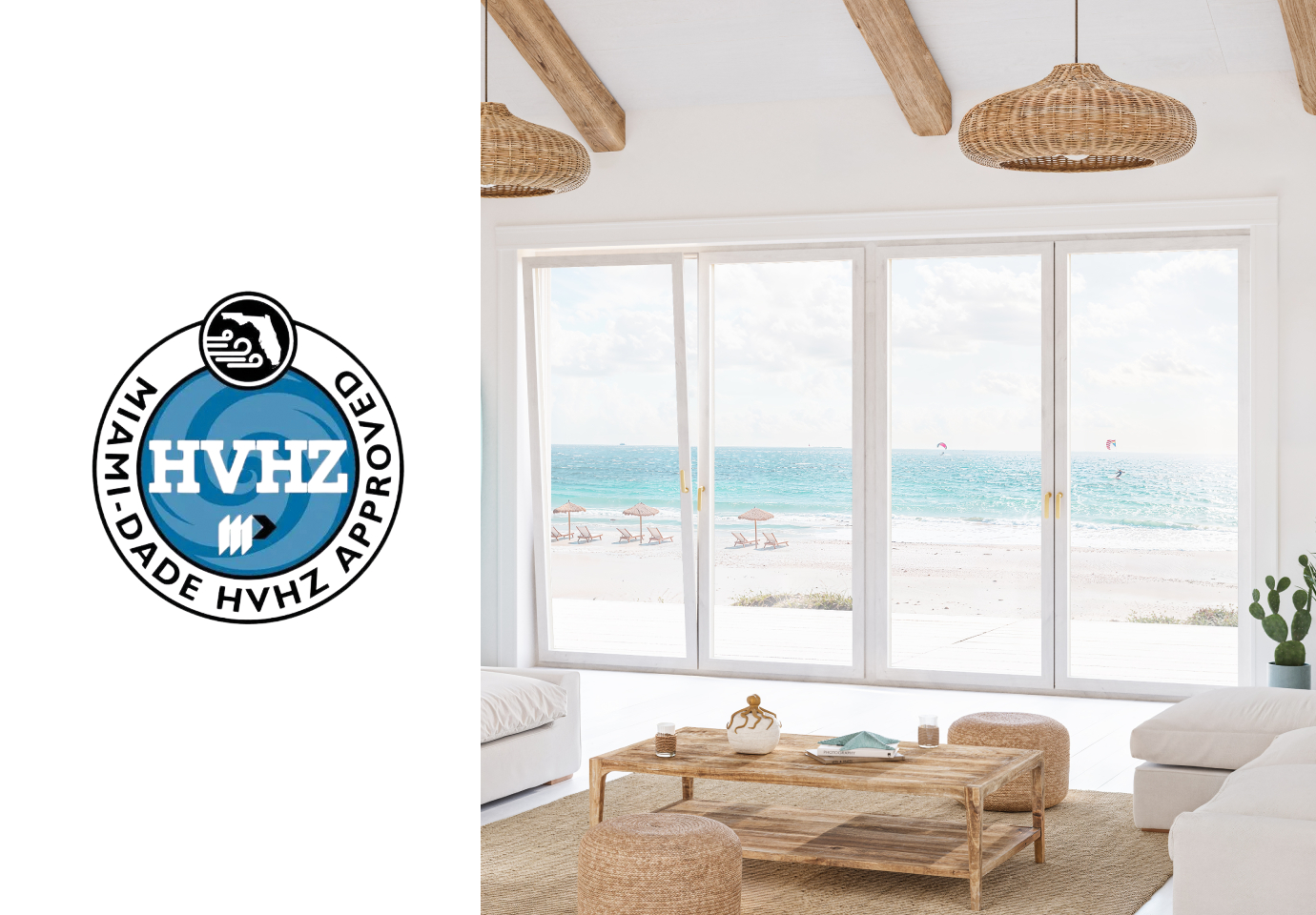

If you’re specifying coastal projects, you know the constraint: DP80 performance and large glazed areas without bulky, boxy frames. PAVA Impact is OKNOPLAST’s new system engineered specifically for High Velocity Hurricane Zones – pairing impact-rated performance with a slim European profile that preserves sightlines and design intent.
In HVHZ work, survival isn’t the metric – stability is. It’s about maintaining envelope performance under repeated cyclic loading, not just passing a test. The system bridges architectural intent with the structural requirements of Miami-Dade and Broward counties.
- The aesthetic penalty: Why “Clunky” is no longer the standard
- Stopping water at 12 PSF: The triple gasket mechanics
- Structural drift in large format openings: Why STV is mandatory
- The engineering of Tilt and Turn: superior compression seals
- Beyond the storm: acoustic and thermal performance
- Engineering comparison: PAVA Impact vs. industry standard
- Installation agnostic: Ensuring lab accuracy on the job site
- FAQ
Key Takeaways:
- System Integrity: DP80-rated system tested to 120 psf structural load (ASTM E330, 1.5x safety margin).
- Water Resistance: Triple gasket system provides watertight performance up to 12 psf.
- Large Format Capability: Fixed units up to 60″ x 120″, operable up to 41″ x 96″.
- Structural Stability: STV bonding creates a single glass-sash assembly, reducing micro-movement and drift.
- Acoustic & Thermal: STC 42 / OITC 34 with U-Factor as low as 0.24.
- Installation Options: Nailing Fin, Fixing Clips, or Direct Bolt for load-path continuity.
The aesthetic penalty: Why “Clunky” is no longer the standard
For decades, hurricane-rated windows in the U.S. have meant thick aluminum profiles and oversized meeting rails. While these systems meet impact requirements, they often limit architectural expression and thermal optimization. In high-end coastal work, the frame has to disappear into the architecture—not compete with it.
Key constraints in conventional impact framing:
- Limited glazing ratio from oversized profiles.
- Increased thermal bridging in heavy aluminum sections.
- Reduced façade transparency in modern designs.
- Visually dominant frames in minimalist elevations.
The PAVA Impact system uses a multi-chamber extrusion with integrated thermal breaks. It’s not just about energy performance— it also keeps the frame structurally efficient under load. The geometry allows the frame to resist the intense “push and pull” of 150-mph gusts while maintaining a slimmer profile than conventional hurricane systems.
At DP80, this system delivers roughly a 60% increase in structural reserve compared to the standard DP50 baseline used in typical coastal residential applications.
For a deeper breakdown of DP50 vs DP80 performance, see our DP Rating guide to structural performance.
Specifier Hook: Corner zones are suction-driven. That’s where higher DP ratings matter most.

Stopping water at 12 PSF: The triple gasket mechanics
In hurricane conditions, water intrusion is driven by pressure differentials across the façade. Most standard impact-rated windows are tested for water resistance at approximately 7.5 psf. Beyond this threshold, cyclic loading can drive wind-driven rain through secondary sealing zones.
The PAVA Impact system is designed to maintain water resistance up to 12 psf through a triple gasket configuration. Unlike conventional double-seal systems, the third central gasket creates a buffered intermediate chamber around the locking hardware.
This helps maintain gasket stability during rapid pressure fluctuations and supports consistent performance in coastal exposure conditions. For architects and contractors, this translates into improved envelope reliability and reduced maintenance intervention over time.
12 psf performance improvements:
- Delayed onset of water penetration under cyclic loading.
- Stabilized gasket compression under pressure reversal.
- Reduced pumping effect in dynamic storm conditions.
- Improved performance consistency at corners and upper elevations.
Field Note: If the gasket loses compression, water wins. It’s that simple.

Structural drift in large format openings: Why STV is mandatory
Floor-to-ceiling glazing has pushed sash dimensions into a performance-driven regime. A 60″ x 120″ fixed sash or a 41″ x 96″ operable unit behaves less like a window and more like a structural element exposed to cyclic wind loading. Traditional mechanical glazing systems—relying on setting blocks, beads, and point-based retention— can allow micro-movement within the sash assembly under repeated loading cycles.
To address this, the PAVA Impact system integrates STV (Static Dry Glazing)— a structural glass bonding technology. By bonding the glass directly to the sash perimeter, the assembly behaves as a single coupled structural unit, reducing reliance on point-based mechanical retention.
For more on cyclic‑load stability, see our “STV in Hurricane Impact Windows” article.
Field Note: Storms don’t fail windows. Repetition does. STV is built for repetition.
The engineering of Tilt and Turn: superior compression seals
In the U.S., Tilt and Turn systems are seen as a convenience feature. In HVHZ, they behave as a high-performance sealing system. Traditional sliding or single-hung systems rely on brush or sliding seals, which are inherently more susceptible to air and water infiltration under elevated pressure conditions.
In the PAVA Impact, Tilt & Turn hardware provides a multi-point locking system along the full perimeter of the sash. When engaged, the handle action draws the sash into continuous perimeter compression against the triple gasket system, increasing compression across the entire sealing plane.
- Tilt position supports controlled ventilation with maintained perimeter engagement
- Turn position enables full inward operation for cleaning and egress
Field Note: Sliding systems leak because they rely on sliding seals. Tilt & Turn seals compress harder as pressure rises. That’s why they survive storms.

Beyond the storm: acoustic and thermal performance
While hurricane resistance defines life-safety performance, thermal and acoustic behavior defines everyday usability. The PAVA Impact is designed to perform under both conditions.
The rigidity required for DP80 loading also improves sound attenuation. Combined with laminated impact glazing, the system achieves STC 42 / OITC 34, significantly reducing environmental noise intrusion in high-exposure sites.
It supports large glazing ratios without compromising energy performance and achieves:
- U-Factor as low as 0.24 (Fixed)
- U-Factor 0.25 (Tilt & Turn)
- SHGC as low as 0.17
Engineering comparison: PAVA Impact vs. industry standard
| Performance Metric | Standard Residential (DP50) | PAVA Impact (DP80) | Field Implication |
| Design Pressure | 50 psf | Up to 80 psf | Improved resistance to uneven suction loads |
| Tested Structural Load | 75 psf | 120 psf | Higher safety margin under ASTM E330 |
| Water Resistance | ~7.5 psf | 12 psf | Improved performance under cyclic pressure-driven water loading |
| Acoustic (STC) | ~30 | 42 | Higher environmental noise attenuation |
| U-Factor (Fixed) | ~0.30+ | 0.24 | Improved envelope efficiency |
| Glazing Method | Mechanical | STV Bonded | Improved long-term cyclic stability and geometric retention |
Installation agnostic: Ensuring lab accuracy on the job site
For architects and builders, one of the primary risks in high-performance façade systems is the disconnect between laboratory testing and field installation. A DP80-rated system only performs as designed if the load path is correctly transferred into the building structure.
The PAVA Impact system supports three installation approaches to accommodate varying façade conditions:
- Nailing Fin: Traditional new construction with integrated flashing strategy.
- Fixing Clips: Suitable for masonry and ventilated façade systems.
- Direct Bolt: Direct structural anchoring for high-load applications in HVHZ zones.
As with all high-performance envelope systems, final performance depends on correct installation and load path continuity.
If your next coastal project needs the structural strength of a DP80 system combined with European-level thermal and acoustic performance, explore the full technical specifications of the PAVA Impact. Contact us for DP calculations and project-specific support.
FAQ
Yes. It meets HVHZ Zone 4 requirements for both counties.
Their multi‑point locking increases seal compression as pressure rises, unlike sliders that can shift under load.
Fixed units up to 60″ × 120″; coupling mullions up to 120″ at DP80; integrated mullions up to 96″.
Yes—triple glazing is offered for higher thermal and acoustic performance while maintaining impact resistance.



Let’s talk about your project!
Request a quote, discuss specifications, or get help choosing the right system
Send a request
"*" indicates required fields