


Winter 2026: Is Your Home Prepared for the Arctic Blast?
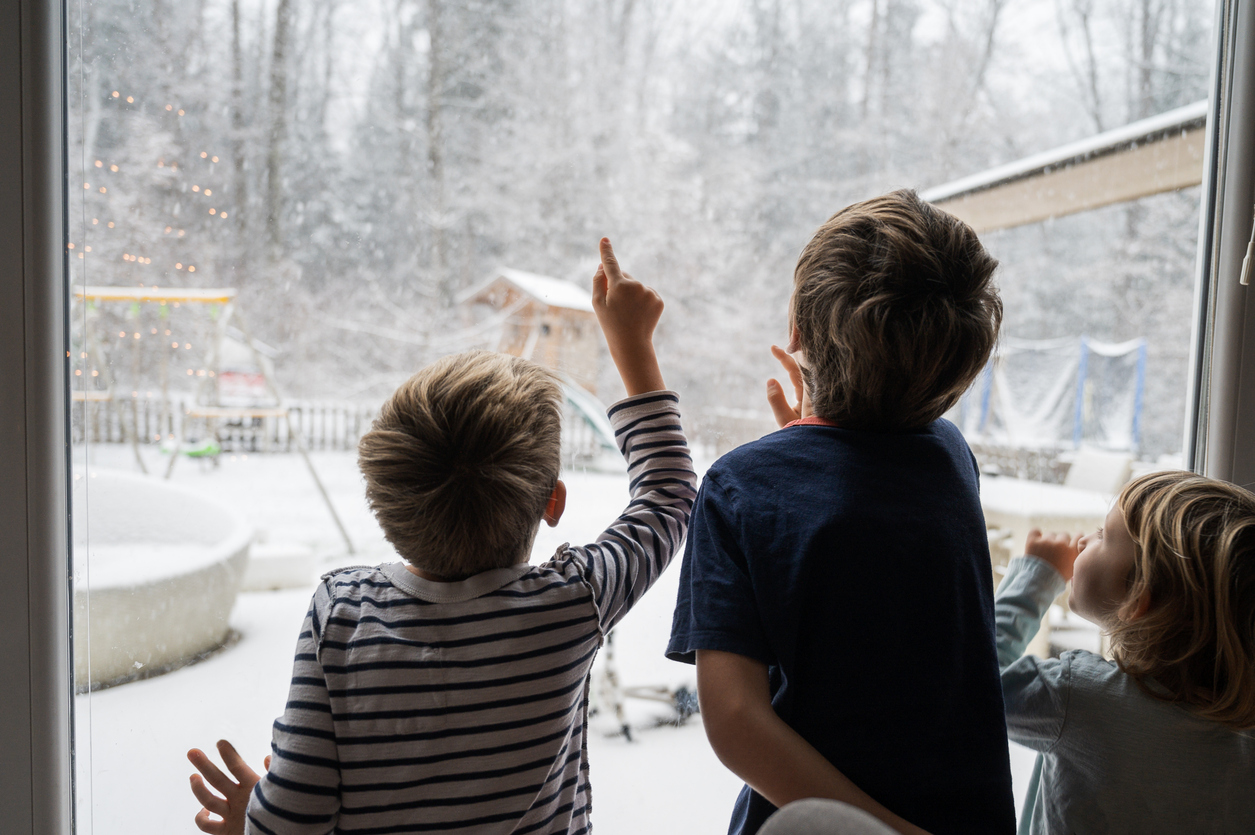

The meteorological data for the weekend of January 23–25, 2026, indicates a high-velocity arctic front moving from Central Texas through the Northeast. With wind chills projected to reach -50°F (-45°C) and “potentially catastrophic” ice accumulation, the structural and thermal integrity of residential buildings will face a significant stress test.
In building science, the home is viewed as a single integrated system. When temperatures drop this low, vulnerabilities in the building envelope- specifically at fenestration points- can lead to systemic failures.
- The Financial Risk of Thermal Weakness
- Are You Prepared? The Immediate 48-Hour Survival Protocol
- Long-Term Building Science: Understanding Performance Metrics
- Professional Assessment
- FAQ
Key Takeaways:
- An extreme arctic front in late January will push residential buildings to their limits, with wind chills near -50°F and severe ice accumulation exposing weaknesses in the building envelope.
-
Windows and doors are the most vulnerable points; poor seals and outdated glazing can trigger cascading failures like frozen pipes, heat loss, and interior condensation.
-
Older windows can leak up to 40% of heating energy, increasing both discomfort and the financial risk of damage during extreme cold events.
-
Short-term protection focuses on DIY measures such as sealing air leaks, adding temporary glazing insulation, protecting plumbing near exterior walls, and managing passive solar gain.
-
Long-term resilience depends on performance metrics like low U-factors and high Design Pressure ratings, along with advanced components that eliminate thermal bridges.
The Financial Risk of Thermal Weakness
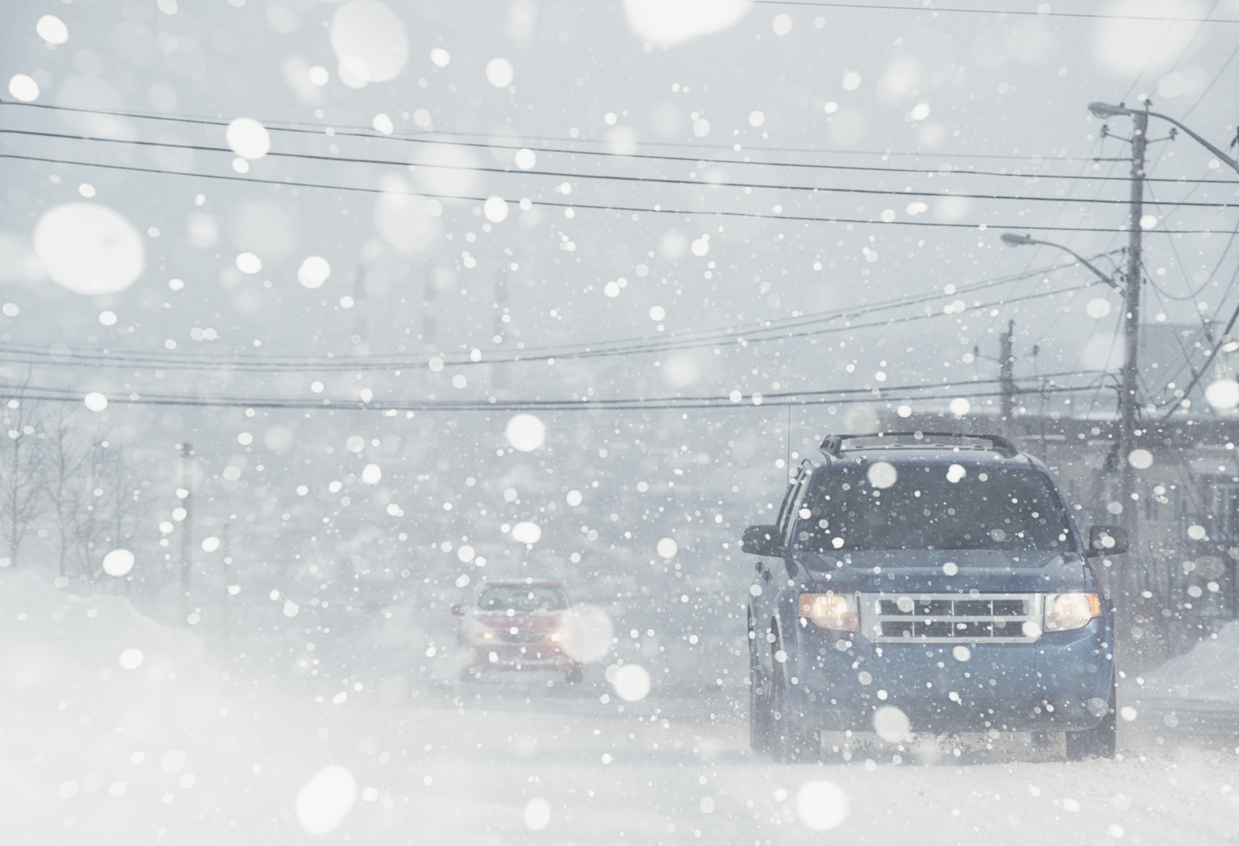
Data from the Insurance Institute for Business & Home Safety suggests that improper home management during extreme cold accounts for a vast majority of residential losses. Frozen pipes, for instance, lead to an average of $27,000 in damages per incident.
Older glazing systems (specifically those manufactured in the 1980s and 90s) often allow for 40% of a home’s heating energy to escape. This is not just a matter of energy loss; it is a comfort issue caused by “pulling,” where cold glass surfaces draw radiant heat away from the human body, making interiors feel much colder than the thermostat indicates.
Most homeowners are unaware that their outdated window systems are effectively thermal breaches. In extreme sub-zero conditions – such as -40°C- the cold surfaces of traditional glazing systems absorb radiant heat from the human body, intensifying discomfort even when the thermostat is set high. These systems are not just energy-wasters; they represent a critical failure point that prevents HVAC systems from maintaining thermal equilibrium under arctic stress.
Premium window engineering from brands like OKNOPLAST redefines what a window can be: not just a visual opening, but a protective thermal shield. Key innovations such as Warmatec spacers and central gaskets eliminate thermal bridges, reducing heat loss and preventing internal condensation—an issue that, under freezing conditions, can lead to frost buildup inside the frame.
Are You Prepared? The Immediate 48-Hour Survival Protocol
Full-scale window replacements aren’t possible within two days, but short-term protective actions can mitigate the damage:
Plumbing Protection: Your Home’s Weakest Link
- Outdoor faucets: Disconnect garden hoses and shut off indoor valves controlling exterior faucets. Consider installing Freeze Miser devices, which release small amounts of water only when temperatures near freezing.
- Circulate warm air: Open cabinets under sinks near exterior walls to let warm room air reach the pipes.
- Let it drip: Keep a slow trickle of water running to reduce pressure and prevent pipe bursts.
- Insulate pipes: Use foam sleeves (at least 5/8″ thick) in unheated spaces like basements, attics, and garages.
Air and Thermal Sealing for Windows
- Pressure-point test: Use a tissue or candle near window sashes. If the flame flickers, seal the area with painter’s tape or temporary weatherstripping.
- Window film: Install heat-shrink insulation film to create an air buffer, reducing heat loss by up to 20%.
- Solar gain: Open south-facing window coverings during the day; close thermal curtains at night to retain warmth.
Power and Heat Security
- Generators: Never run a generator indoors or in a garage. Operate it at least 20 feet from windows and doors, with exhaust pointing away.
- CO detectors: Test carbon monoxide alarms and replace batteries, especially if using alternative heat sources.
- Thermostats: Maintain indoor temps at no less than 55°F (13°C). During the storm, aim for 68–70°F (20–21°C).
Last-Minute Prep: Complete by Friday, January 23
- Survival kit: Stock water, shelf-stable food, flashlights, extra batteries, and thermal blankets.
- Fuel: Fill gas tanks and propane before travel becomes risky.
- Pets & plants: Bring pets indoors and protect delicate vegetation.
Ice Dams and Gutter Maintenance
- Roof raking: Remove snow from the first 3 feet of roof edges to prevent ice damming.
- Clear gutters: Ensure downspouts are clean to allow proper drainage during thaws.
Vehicle and Travel Safety
- Winterize: Check your car’s battery, tires, and fluids. Keep a blanket, flashlight, and warm clothes in your vehicle.
- Driving: Avoid unnecessary travel. Clear all snow and ice from your vehicle and never warm it up inside a closed garage.
Long-Term Building Science: Understanding Performance Metrics
Once the immediate weather threat passes, homeowners should evaluate their building envelope based on technical performance metrics rather than aesthetic trends. Modern engineering focuses on two critical variables:
- U-Factor (Thermal Transmittance): This measures how well a window prevents heat from escaping. Systems designed for high-performance efficiency, such as the PAVA series, achieve ratings as low as 0.14, significantly exceeding standard requirements.
- Design Pressure (DP): This rating determines a window’s ability to withstand wind loads and structural stress. During winter blizzards, a high DP rating is essential; systems like the PIXEL series can provide ratings up to DP-90, which corresponds to the wind force of a Category 5 hurricane.
Advanced features like Warmatec spacers (warm edge frames) and middle gaskets are technical necessities to eliminate thermal bridges and prevent the condensation that leads to interior ice formation.
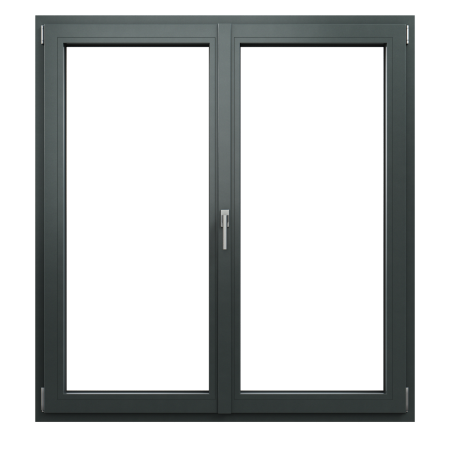
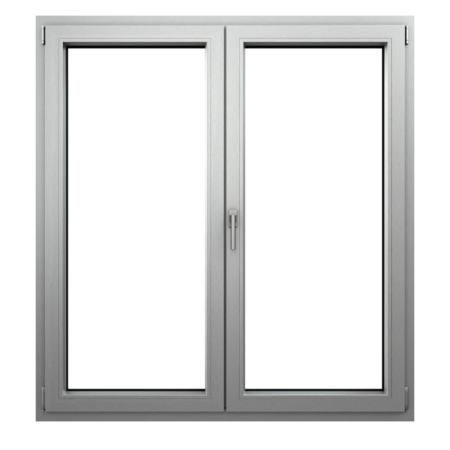
At OKNOPLAST, these critical metrics are not theoretical ideals- they are real, tested results. Our PAVA window system, equipped with advanced STV (Static Dry Glazing) technology, reaches U-Factor ratings as low as 0.14, meeting PHIUS (Passive House Institute US) standards for thermal performance. The structural bond between glass and frame drastically improves rigidity and resistance to deformation under extreme temperature shifts. For areas prone to hurricane-force winds, the PIXEL system offers Design Pressure ratings up to DP-90, ensuring resilience equivalent to Category 5 hurricane conditions. Whether it’s about keeping warmth inside or high winds out, OKNOPLAST systems are engineered for North American realities—not just European standards.
Professional Assessment
Surviving one storm isn’t enough. Continuous improvement of your building envelope is vital. Use certified, high-performance components like those meeting PHIUS standards to ensure your home is prepared for climate extremes.
For a comprehensive evaluation of your home’s thermal resilience and to identify areas for improvement, consult a high-performance building specialist. Authorized OKNOPLAST dealers across the U.S. are trained to help you select the optimal window and door systems tailored to your region, climate challenges, and individual home needs. Their expert guidance ensures you’re not only ready for the next storm but also investing in long-term comfort and efficiency.
FAQ
Windows interrupt the continuous insulation of a wall and are more prone to air leakage and heat transfer. When temperatures drop drastically, even small gaps or cold glass surfaces can lead to heat loss, drafts, condensation, and frozen pipes nearby.
Immediate actions include identifying air leaks around window frames, sealing gaps with temporary materials, installing heat-shrink insulation film, protecting plumbing in exterior walls, and using window coverings strategically to manage heat gain and loss.
U-Factor indicates how well a window resists heat loss, while Design Pressure (DP) measures structural strength against wind and weather stress. Low U-factors and high DP ratings are critical for both comfort and safety in extreme conditions.
Warm-edge spacers, middle gaskets, and multi-layer sealing systems reduce thermal bridges and air leakage. This minimizes condensation, prevents interior ice formation, and keeps indoor temperatures more stable.
Sources:
https://www.wpc.ncep.noaa.gov/key_messages/LatestKeyMessage_1.png
https://www.weather.gov/media/ffc/Briefings/January_2026_SpecialBriefing_01212026.pdf
https://www.ctpublic.org/2026-01-21/a-massive-winter-storm-will-hit-large-parts-of-the-u-s-through-the-weekend
https://planetdetroit.org/2026/01/preventing-frozen-pipes-tips/
https://harmonyinspection.com/simple-tricks-to-insulate-windows-for-winter-and-save-energy/
https://www.energy.gov/energysaver/energy-efficient-window-coverings
https://www.marthastewart.com/should-you-cover-windows-in-winter-11880645
https://www.freezemiser.com/blogs/blog/5-critical-areas-most-homeowners-forget-to-winterize-and-how-to-protect-them


Let’s talk about your project!
Request a quote, discuss specifications, or get help choosing the right system
Send a request
"*" indicates required fields