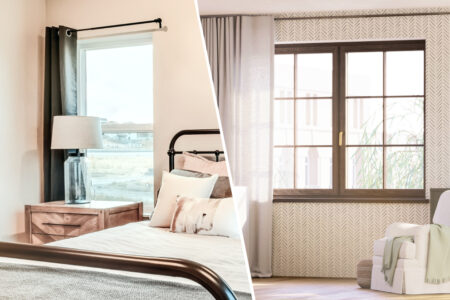
Transform Your Small Spaces with Tilt and Turn Windows

In small spaces, every inch counts—including your windows. The right window design can make a compact room feel bigger, brighter, and more functional. Unlike traditional windows that take up valuable space, tilt and turn windows offer a sleek, space-saving solution with superior ventilation, security, and modern aesthetics.
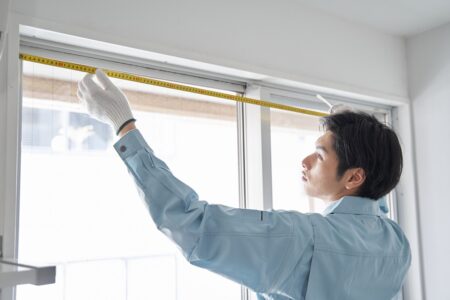
Window sizes are fairly standardized among manufacturers, but there are important factors to keep in mind. In this article, we’ll walk you through standard window sizes, breaking them down into different types, including common double-hung windows and the latest trend—Tilt and Turn windows. We’ll also cover essential topics such as view area and rough openings, helping you make informed decisions when selecting the right windows for your project.

During industry events, we frequently encounter investors and construction professionals who ask us the same question: "Can you create windows for non-standard openings?" This is especially common when working with historical buildings that weren't constructed with today's standardized dimensions in mind. While standard window sizes serve many projects well, the growing demand for custom windows reflects both practical necessity and evolving design preferences. In this article, we will answer when custom windows may prove great, and to add one more reason, we will also touch on the tilt and turn custom windows that are taking the market by storm.
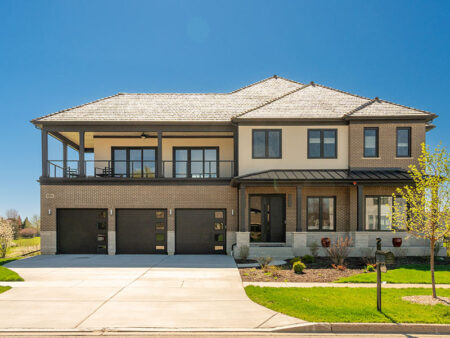
Tilt and Turn windows have evolved from a European novelty to a premium option in American homes, offering unique 2-in-1 functionality that standard double-hung or casement windows don't provide. At OKNOPLAST, the most common question we hear during events is, "Aren't they expensive?"
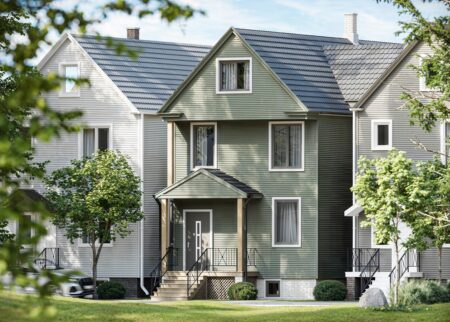
Tilt and Turn windows are transforming the way we think about home design. These innovative windows combine functionality, safety, and energy efficiency, making them a versatile choice for modern homes, even passive ones. At the forefront of this innovation are OKNOPLAST Tilt and Turn Windows, which set the standard in the industry with their advanced engineering, sleek designs, and commitment to sustainability. Let's see what makes those windows so unique.
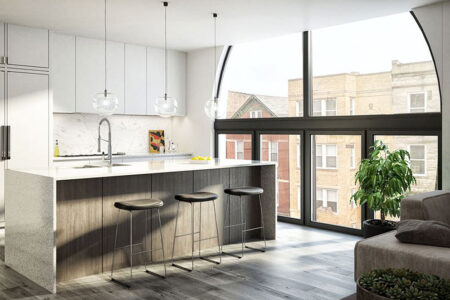
Sometimes, custom windows aren’t just a design choice—they’re a necessity. You might be working with masonry openings, dealing with non-standard sizes, or planning a modern home with floor-to-ceiling glass. In many cases, the structure itself requires a unique approach that standard windows simply can’t provide.

Whether you're renovating or building new, discover how our innovative solutions can help you embrace biophilic design and craft a light-filled, nature-connected home designed for modern living.
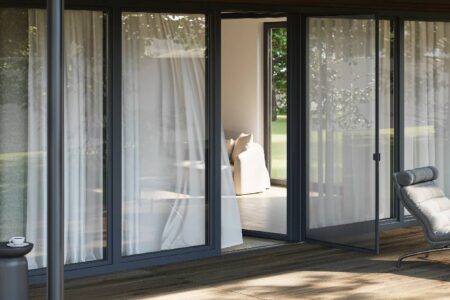
In the evolving real estate market, energy efficiency Tilt and Turn window systems become more than just an added bonus. They are expected by today's buyers. As energy costs rise and environmental standards tighten, developers and builders are increasingly tasked with integrating sustainable solutions into their projects. Windows, a crucial aspect of any building's energy performance, can significantly influence both operational costs and the overall value of your properties.

Passive homes represent the future of sustainable living, offering a practical solution to reducing carbon footprints and cutting utility costs. These energy-efficient homes depend on high-performance materials, including advanced windows and doors, to ensure airtightness and superior insulation. OKNOPLAST’s Tilt and Turn windows go beyond traditional designs, offering innovative features tailored to meet the strict energy standards of passive homes. In this article, we’ll break down the components of passive homes and explore how these windows play a vital role in achieving unmatched efficiency.