


Egress Window Basics for Homeowners and Builders


Would your family have a safe way out if the main exit were blocked? That is exactly what egress windows are designed to solve. Building codes require them in habitable rooms without direct access to a door, and they can make a real difference in an emergency.
In this guide, we will cover what qualifies as essential egress, when it is required, and what the codes actually say. We will also answer a common question from our clients: can Tilt and Turn windows, including our flagship lines, meet egress requirements and how do they compare in day‑to‑day use?
- What egress windows are really for?
- Egress window size and placement: quick recap
- Do I need a permit to install an egress window?
- Ready to make your basement safer and brighter?
- FAQ
Key Takeaways:
- Installing a new egress window typically requires a permit in most U.S. states because it involves structural changes like cutting into a foundation or creating a new opening.
- Local regulations generally follow IRC guidelines, with specific rules for window size, placement, and safety inspections varying by city or county.
- Replacing an existing egress window of the same size may not require a permit, but some jurisdictions still mandate documentation or approval.
- Egress windows improve safety, natural light, and ventilation, while Tilt and Turn windows can meet code requirements when properly sized and installed.
What egress windows are really for?
Would you feel comfortable sleeping in a room where the only way out is the door? Egress windows exist to solve exactly that problem. They provide a secondary means of escape during a fire or other emergency, which is especially critical in basements and bedrooms where exit routes are limited.
Egress windows also enable first responders to enter if the primary path is obstructed. In most U.S. jurisdictions, building codes require egress windows in any habitable room that lacks direct access to the exterior. Common examples include:
- Finished basements with sleeping or living areas
- Bedrooms without direct access to a corridor or exterior door
- Any room identified as habitable space on a permit set
Even when not mandated, adding an egress window is a prudent safety upgrade. It increases natural light, supports better ventilation and indoor air quality, and can enhance resale value—particularly when converting a basement into a code‑compliant bedroom.
Egress window size and placement: quick recap
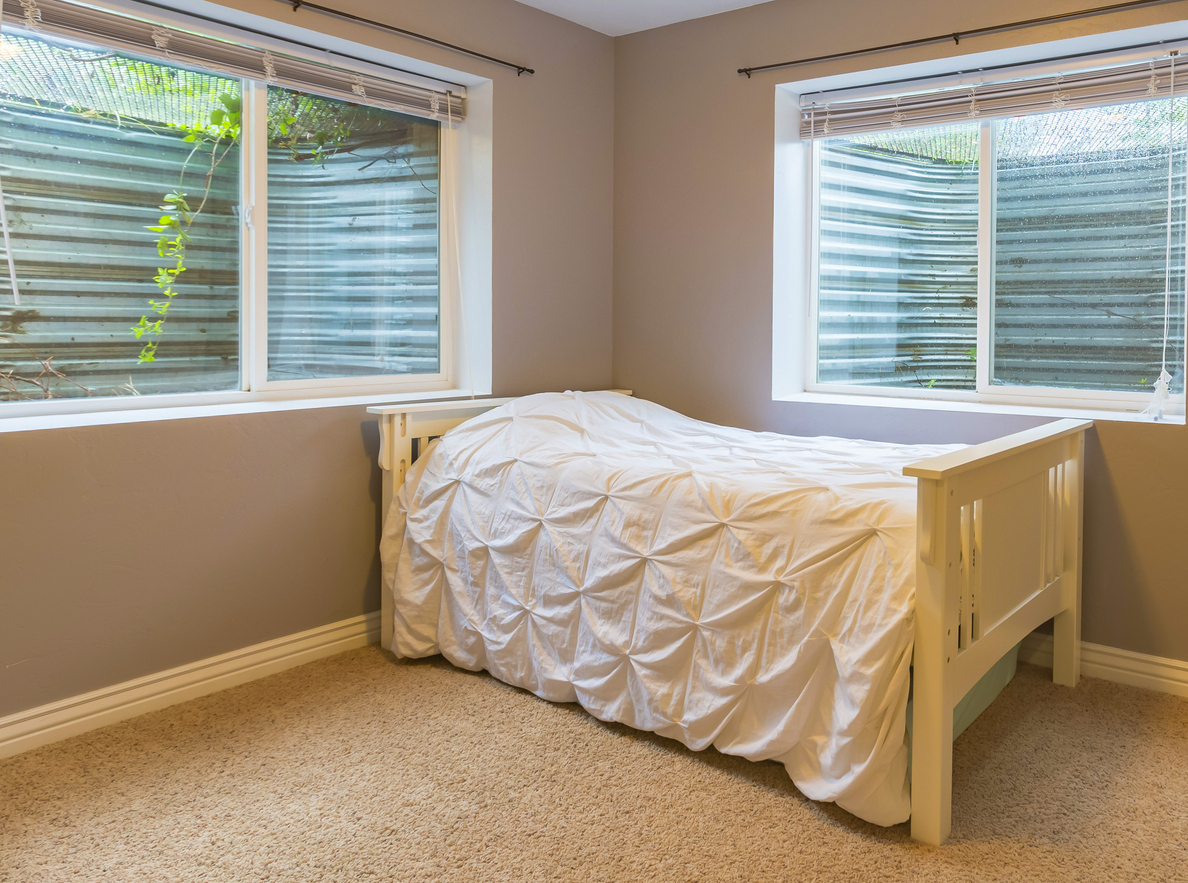
Egress windows only work if they are large enough and accessible enough to use in an emergency. Most U.S. building codes define minimums for clear opening size, maximum sill height, and basement window well dimensions.
Key principles to keep in mind:
- The clear opening must be large enough for both escape and rescue.
- The interior sill height must be low enough to reach easily.
- Basement window wells must provide enough space and a safe way to climb out.
For exact measurements, including minimum clear opening area, height, width, sill height, and well requirements, see our detailed guide: Do egress windows really improve home safety? If you are planning a project, review these figures before selecting a window type or framing the rough opening.
Do I need a permit to install an egress window?
In almost all U.S. states, yes. If you are cutting into a foundation or creating a new opening, most codes treat egress windows as structural work, so a permit is required. This applies to basement finishes, added bedrooms, and livability upgrades.
Rules vary by city or county, but most follow the International Residential Code (IRC) for sizing, placement, and installation. Many states, including Massachusetts, Washington, Indiana, and Minnesota, have clear requirements that inspectors will verify.
Replacing an existing egress window with one of the same size in the same spot may not require a permit, but do not assume. Some jurisdictions still require documentation, particularly when safety features or materials are modified.
Permitting typically involves submitting plans that show the window dimensions, location, and any necessary structural changes. Stamped drawings may be needed if structural support is affected. After installation, inspections confirm clearance, drainage, and safety.
The best first step is to call your local permitting office. A quick check can clarify what is required and prevent delays or costly corrections.
Ready to make your basement safer and brighter?
An egress window helps you meet code. It brings in natural light. It improves airflow. It also gives you a safe way out in an emergency.
Tilt and Turn windows can meet egress rules when sized and installed correctly. They open wide when you need a clear exit. They tilt for everyday ventilation and stay secure. They work well in basement bedrooms, ADUs, and conversions.
For details related to your project, please refer to our related articles or contact your local building office for code information. For product options, a local OKNOPLAST dealer can guide you through the available sizes and setups.
FAQ
In most cases, yes. If the installation involves structural work like cutting into a foundation or creating a new opening, a permit is typically required under local building codes.
No, they vary by city and county. However, most jurisdictions follow the International Residential Code (IRC), which sets standards for window size, placement, and safety.
Yes, they can meet egress requirements when properly sized and installed. They provide a wide opening for emergency exits and a tilt function for everyday ventilation.


Let’s talk about your project!
Request a quote, discuss specifications, or get help choosing the right system
Send a request
"*" indicates required fields