


5 Reasons Why Tilt and Turn Windows Win With Casement Windows

Casement windows have been a reliable choice in American homes for decades. Side‑hinged openings offered solid airflow and a clean, familiar look that fit most suburban and traditional designs.

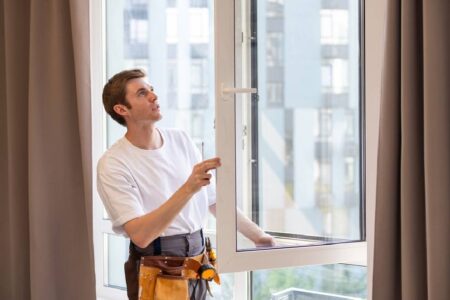
Tilt and turn windows are gaining traction across North America for their superior craftsmanship, thermal efficiency, and versatile functionality. With their modern design and practicality, they’re quickly becoming a preferred alternative to traditional single-hung or double-hung windows. For construction professionals, however, installing tilt and turn windows requires a specialized approach. This guide provides practical tips for working with OKNOPLAST tilt and turn windows, helping you streamline installation, avoid costly errors, and maximize the performance of these innovative, energy-efficient systems.

In small spaces, every inch counts—including your windows. The right window design can make a compact room feel bigger, brighter, and more functional. Unlike traditional windows that take up valuable space, tilt and turn windows offer a sleek, space-saving solution with superior ventilation, security, and modern aesthetics.
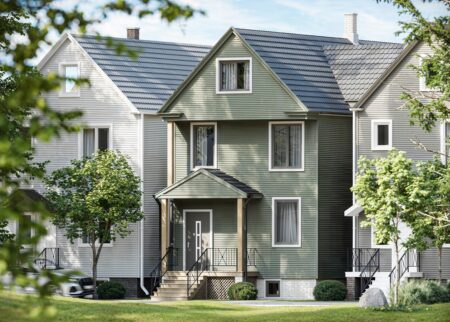
Tilt and Turn windows are transforming the way we think about home design. These innovative windows combine functionality, safety, and energy efficiency, making them a versatile choice for modern homes, even passive ones. At the forefront of this innovation are OKNOPLAST Tilt and Turn Windows, which set the standard in the industry with their advanced engineering, sleek designs, and commitment to sustainability. Let's see what makes those windows so unique.
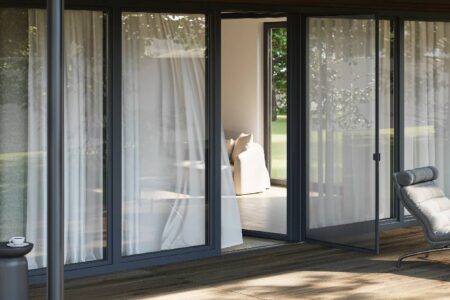
In the evolving real estate market, energy efficiency Tilt and Turn window systems become more than just an added bonus. They are expected by today's buyers. As energy costs rise and environmental standards tighten, developers and builders are increasingly tasked with integrating sustainable solutions into their projects. Windows, a crucial aspect of any building's energy performance, can significantly influence both operational costs and the overall value of your properties.

Passive homes represent the future of sustainable living, offering a practical solution to reducing carbon footprints and cutting utility costs. These energy-efficient homes depend on high-performance materials, including advanced windows and doors, to ensure airtightness and superior insulation. OKNOPLAST’s Tilt and Turn windows go beyond traditional designs, offering innovative features tailored to meet the strict energy standards of passive homes. In this article, we’ll break down the components of passive homes and explore how these windows play a vital role in achieving unmatched efficiency.
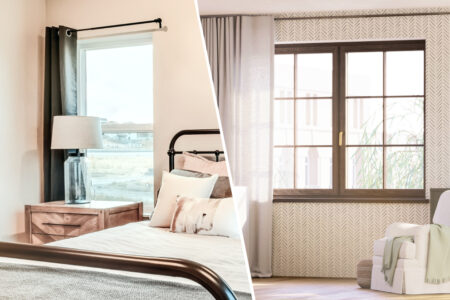

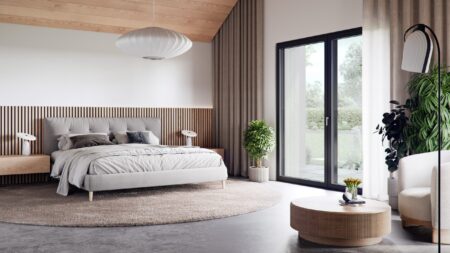
Choosing the right window style is key to balancing aesthetics, functionality, and energy efficiency. Casement and Tilt and Turn windows are two popular options, each with unique benefits to suit different needs. In this guide, we’ll compare their features and drawbacks to help you find the best fit for your project.
Tilt and Turn windows are an emerging trend, gaining popularity for their innovative design and versatility. Their unique dual-opening mechanism combines functionality with modern aesthetics, making them an exciting option for homeowners looking to upgrade their spaces.