


Tilt and Turn Windows in Modern Architecture
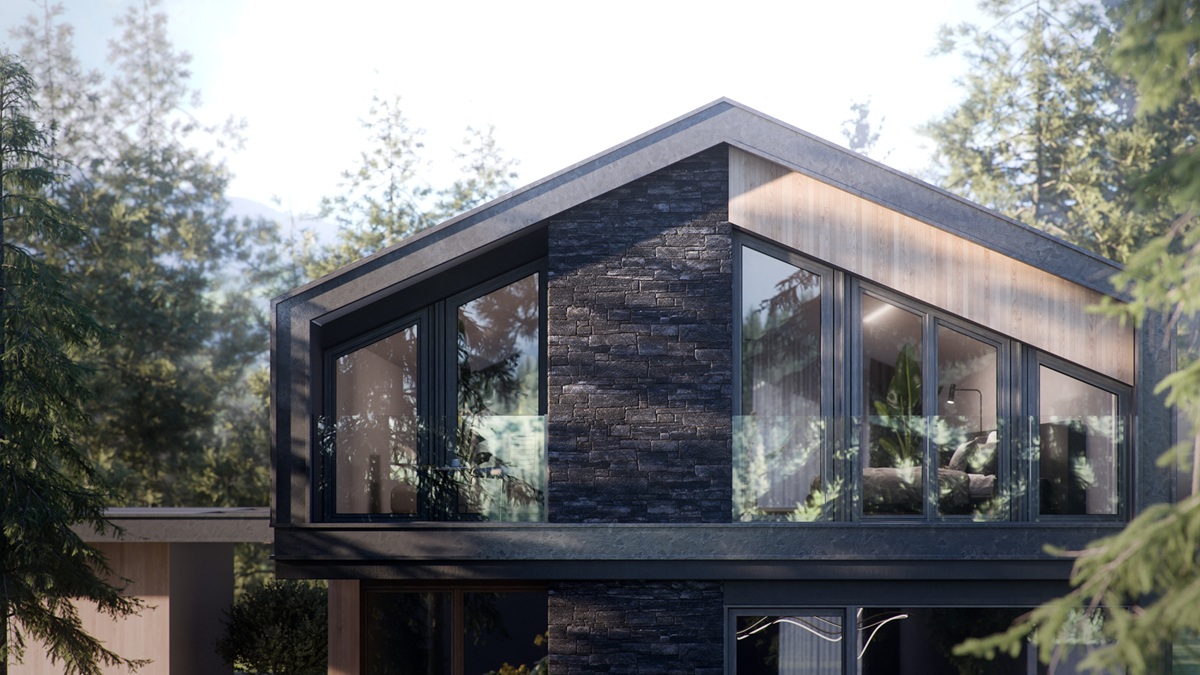

For decades, Tilt and Turn windows have been a go‑to in European homes because they combine a clean look with everyday versatility. Now they’re changing how U.S. homeowners, architects, and developers think about windows and doors, from single‑family houses to multi‑family buildings.
If you’re looking for a new supplier of high-end windows for your company, this article is for you.
Let’s dive in!
- The European mechanism American homeowners are falling in love with
- Style meets performance: tailored to your home’s design goals
- Why are architects and builders making the switch?
- Beyond the window: technical support that installers can count on
- OKNOPLAST’s Tilt and Turn windows: built for U.S. performance standards
- Modern architecture deserves modern window solutions
- FAQ
Key Takeaways:
- Learn how Tilt and Turn windows combine dual functionality – secure tilt ventilation and full inward opening – for everyday comfort and safety.
- See why architects and builders are adopting them for modern projects, from historic renovations to luxury developments, thanks to energy efficiency and large-scale glazing options.
- Discover the wide range of customization choices, including slim aluminum frames, wood-look textures, and black-on-black designs that fit any style.
- Understand how professional technical support and U.S. certifications make Tilt and Turn systems practical, code-compliant, and installer-friendly.
The European mechanism American homeowners are falling in love with
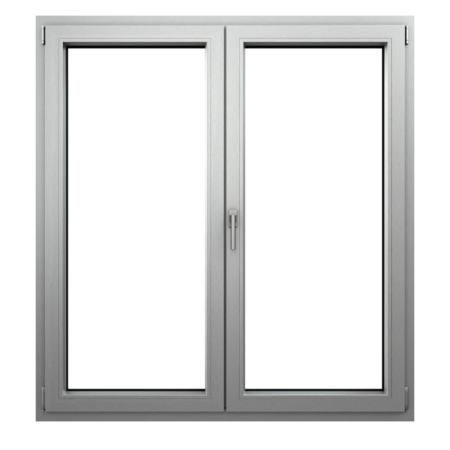
Tilt and Turn windows operate on a dual‑function hinge system. With the handle turned one way, the sash swings fully inward for maximum airflow and easy cleaning. Positioned the other way, the window tilts slightly from the top, creating secure, controlled ventilation.
As Cody Pelletier of Laurel Windows, our premium partner, put it in a recent video: “No more double hungs, no more single hungs. Turn. Tilt.”
For homeowners, the advantages are straightforward:
- Ease of cleaning — glass and frames can be safely cleaned from inside the room, even on upper floors.
- Better ventilation control — tilt mode allows fresh air without drafts.
- Safety — tilted openings permit airflow while reducing risks for children and pets.
This combination of usability and security makes the system ideal not just for single‑family homes, but also for modern architecture, high‑rise apartments, and multi‑unit developments, where safety and ease of maintenance are high priorities.
Style meets performance: tailored to your home’s design goals
One of the strongest appeals of Tilt and Turn windows is that they don’t force a compromise between aesthetics and performance. As Cody Pelletier from Laurel Windows notes, customization is extensive, making them adaptable to virtually any design goal.
Homeowners and architects can specify:
- Black‑on‑black frames for a contemporary, monochrome look
- Wood grain textures when warmth or a traditional character is desired
- Slimline profiles that maximize daylit glass area and minimize visible frame
- Grid inserts or full‑glass options to fit both historic and modern contexts
Beyond finishes, specialized constructions extend their scope. Historically accurate steel‑look windows in thermally broken aluminum capture period design while delivering modern insulation. Meanwhile, hidden sash aluminum systems are ideal for contemporary or passive house projects, where seamless lines and energy efficiency are both crucial.

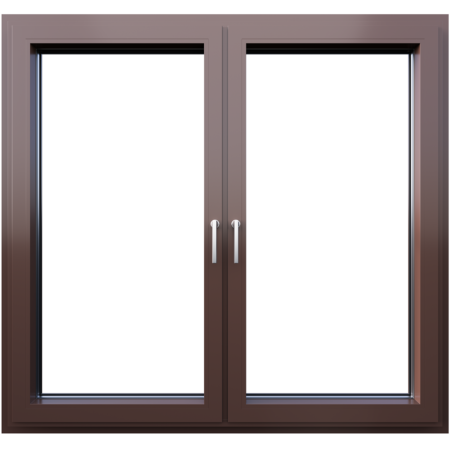
For residential projects, this means clear design flexibility, from historic renovations where authenticity matters, to high-end modern homes where clean geometry dominates. For architects, it ensures that energy requirements and visual intent are met in the same system, without having to trade one for the other.

Why are architects and builders making the switch?
For professionals, Tilt and Turn windows stand out not only for their look but for the performance advantages they bring to complex projects. Cody Pelletier highlights several reasons why U.S. architects and developers are shifting away from conventional double‑hung or slider systems.
First, these systems are compatible with large volumetric glazing that luxury residential projects increasingly demand. Expansive glass walls with operable sections can be achieved without compromising thermal efficiency. This aligns with the growing interest in open, airy interiors that still meet strict energy codes.
Second, Tilt and Turn windows can be specified for passive house builds and other sustainable projects. OKNOPLAST systems are all thermally broken, which improves insulation and reduces heat transfer through the frame itself. For architects aiming to meet advanced energy standards, this makes them a reliable foundation.
Attention to build details also weighs heavily. Developers and builders who inspect the windows notice the reinforced steel profiles, precise corner finishing, and durable surface coatings that ensure performance long after installation.
For high‑end homes or large multi‑family developments, these qualities combine to create a solution that satisfies both design ambition and technical performance.
Beyond the window: technical support that installers can count on
For many installers and general contractors, product quality is only part of the equation. The level of technical support that comes with a system often determines whether a project runs smoothly, and this is where OKNOPLAST distinguishes itself.
Cody Pelletier emphasizes how rare this type of support is in the American market:
- “Technical support is outstanding.”
- “You have a technician to train installers on projects.”
- “They guarantee water tightness on buildings — it’s monumental.”
There are more opinions about the support we at OKNOPLAST provide to our partners and installers. Take a look at these testimonials: OKNOPLAST Training for installers – testimonials
This means installers aren’t left to figure out European‑style systems on their own. OKNOPLAST provides expert training and onsite guidance to ensure proper setup, long‑term reliability, and code compliance. For dealers and contractors building their reputations, that kind of assurance is invaluable.
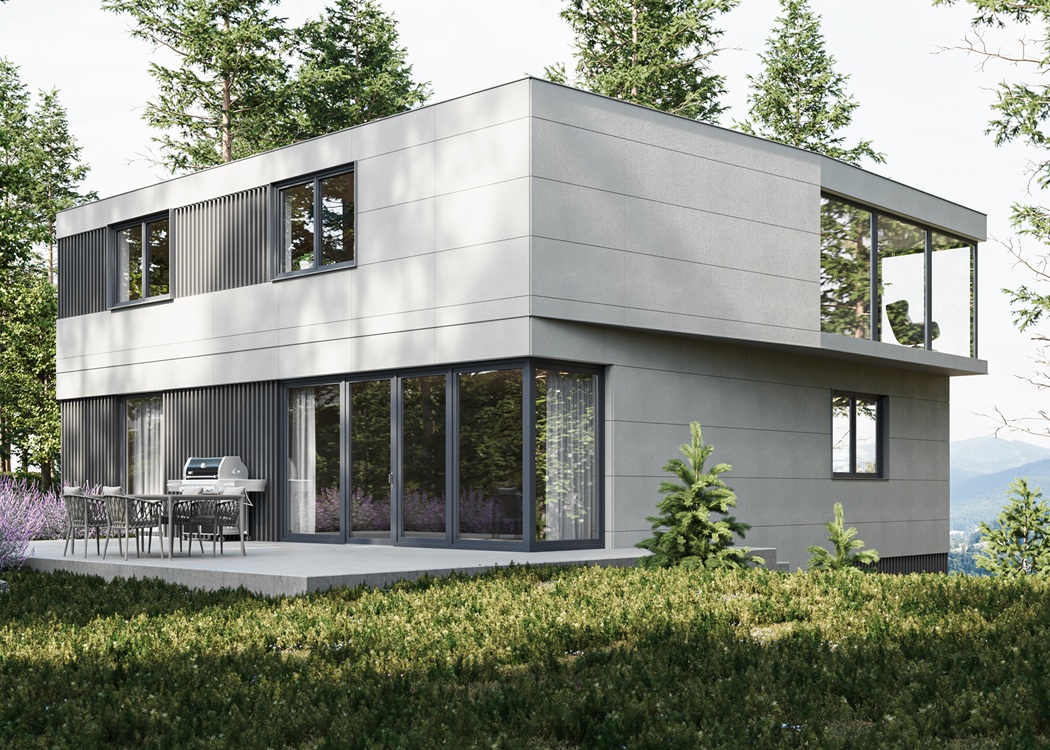
Laurel Windows is a proof point of how such partnerships can scale across the U.S. With multiple locations now operating successfully, the company has shown that combining local service with OKNOPLAST’s backing leads to growth, confidence, and repeat business.
For professionals considering Tilt and Turn systems, this level of collaboration removes risk and builds trust, making it more than just a product decision; it’s also a business decision.
OKNOPLAST’s Tilt and Turn windows: built for U.S. performance standards
Our Tilt and Turn windows are not simply European imports placed into American projects – they are adapted and certified for U.S. expectations. Every system is NFRC‑certified, meeting strict standards for thermal insulation, solar heat gain, and air leakage. Reinforced multi‑chamber profiles give each frame the stability and energy performance needed in both residential and commercial applications.
For accessibility, ADA‑compatible options are available, ensuring broad usability without compromising design. For high-risk climates, these systems can also be specified to meet HVHZ requirements, providing hurricane-ready resilience in coastal regions.
Several models stand out for their role in past U.S. projects:
- PAVA — a robust profile that is passive‑house‑ready, with certified U‑factors as low as 0.13–0.16.
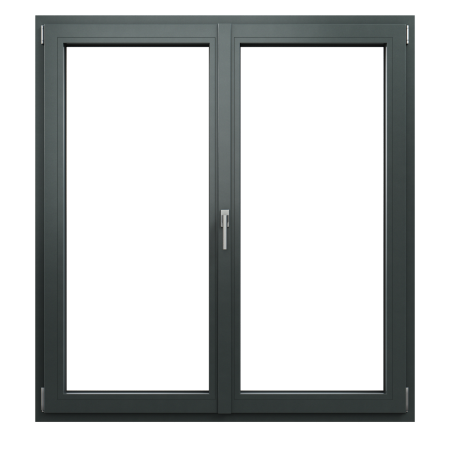
- PIXEL — an ultra‑slim frame design that maximizes daylight with one of the narrowest visible sightlines on the market.
- MIRU EVO Modern — an advanced aluminum system with a hidden sash and thermal break, designed for contemporary or commercial builds.
Modern architecture deserves modern window solutions
Tilt and Turn are becoming a new standard for homes and projects of every scale. Homeowners love them for their sleek look, simple operation, and the mix of ventilation and security they provide. Architects and developers see even more value in the thermal efficiency, wide range of customization, and dedicated technical support that help bring projects to life with confidence.
FAQ
Tilt and Turn windows generally outperform casement windows thanks to multi-point locking and tighter seals, achieving very low U-values (as low as 0.15–0.25 W/m²K). Casement windows can be efficient with proper glazing and sealing but usually don’t insulate as tightly.
Double glazing with Low-E coatings and argon gas offers strong performance at a reasonable cost. Triple glazing with argon or krypton fills provides even better insulation and noise reduction, ideal for cold climates. Solar control glass is useful for sun-heavy exposures. Both Tilt and Turn and casement windows benefit from these setups, though Tilt and Turn designs seal especially well.
Yes. OKNOPLAST Tilt and Turn windows feature multi-point locks, reinforced hardware, and handles in over 50 colors. Options like the Tilt Before Turn handle add safety, while accessories such as anti-theft hooks enhance security. All operate with smooth, one-handed control for easy ventilation and cleaning.


Let’s talk about your project!
Request a quote, discuss specifications, or get help choosing the right system
Send a request
"*" indicates required fields