


When Should You Use Fixed Windows?
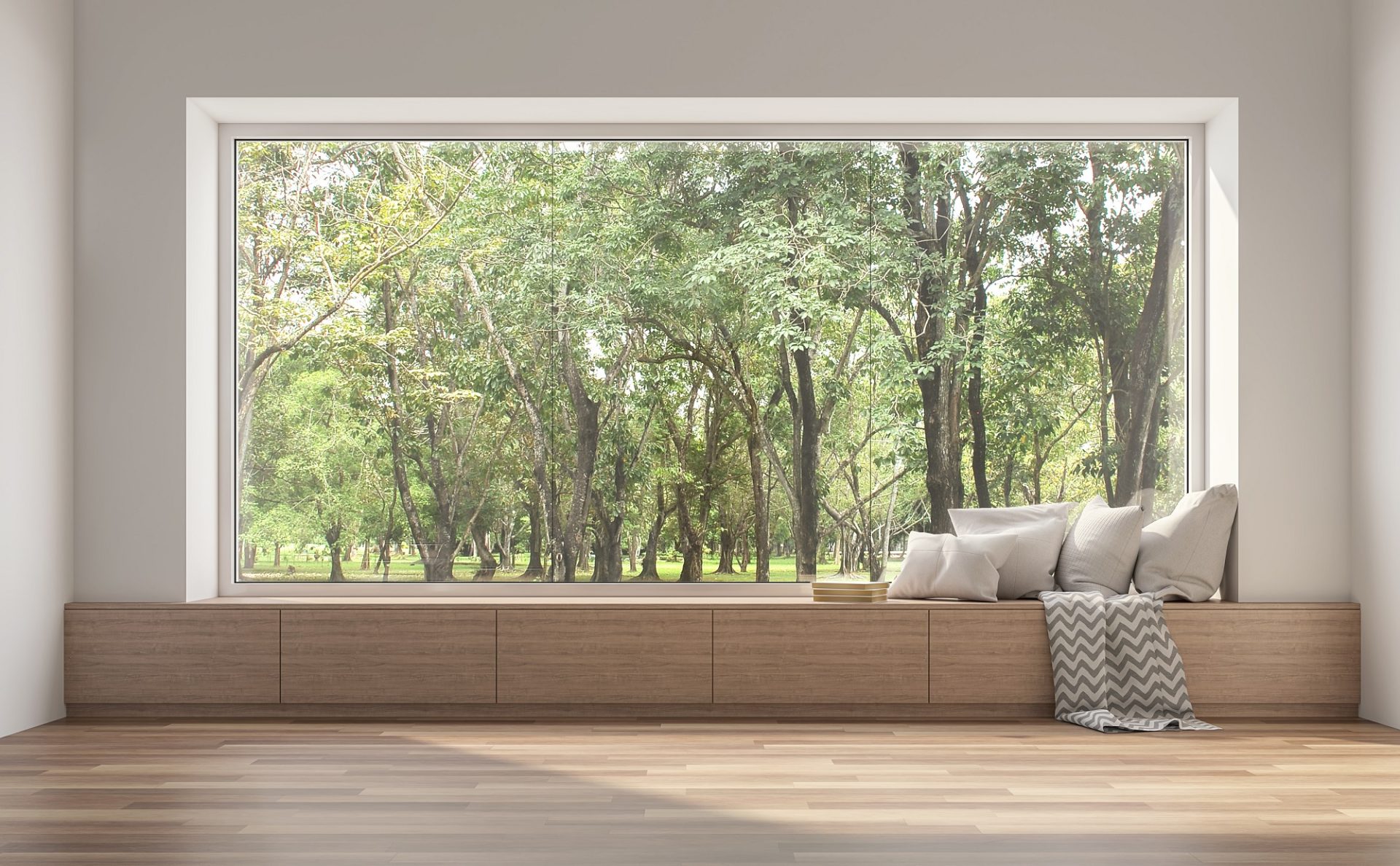

Fixed windows have a specific role in residential design. They bring in more light, open up larger views, and support clean glass-heavy layouts where ventilation is handled elsewhere. In this article, we explain when fixed windows make sense and why they often work best alongside Tilt and Turn windows.
- What are fixed windows?
- When to use fixed windows
- Which windows pair well with fixed glazing
- Why fixed windows work best in combination
- FAQ
Key Takeaways:
- What fixed windows are and why they are often used to bring more daylight and uninterrupted views into a home.
- When fixed windows make the most sense in a layout, particularly in spaces where ventilation is handled elsewhere.
- How fixed glazing is commonly combined with operable window types to create brighter, more balanced window compositions.
What are fixed windows?
Fixed windows are non-operable windows designed to bring in daylight and frame a view. Because they do not open, their construction is simpler than that of operable units.
That simpler build has clear practical value. Fixed windows usually cost less than comparable operable models, and they often deliver stronger thermal performance because there are fewer points where air can escape. They also require less upkeep over time since there are no hinges, cranks, or other moving parts to maintain.
They are especially useful where the goal is more glass and cleaner sightlines. That is why fixed windows are often used in picture-window arrangements, large living areas, stairwells, and contemporary elevations with expansive glazing.
When to use fixed windows
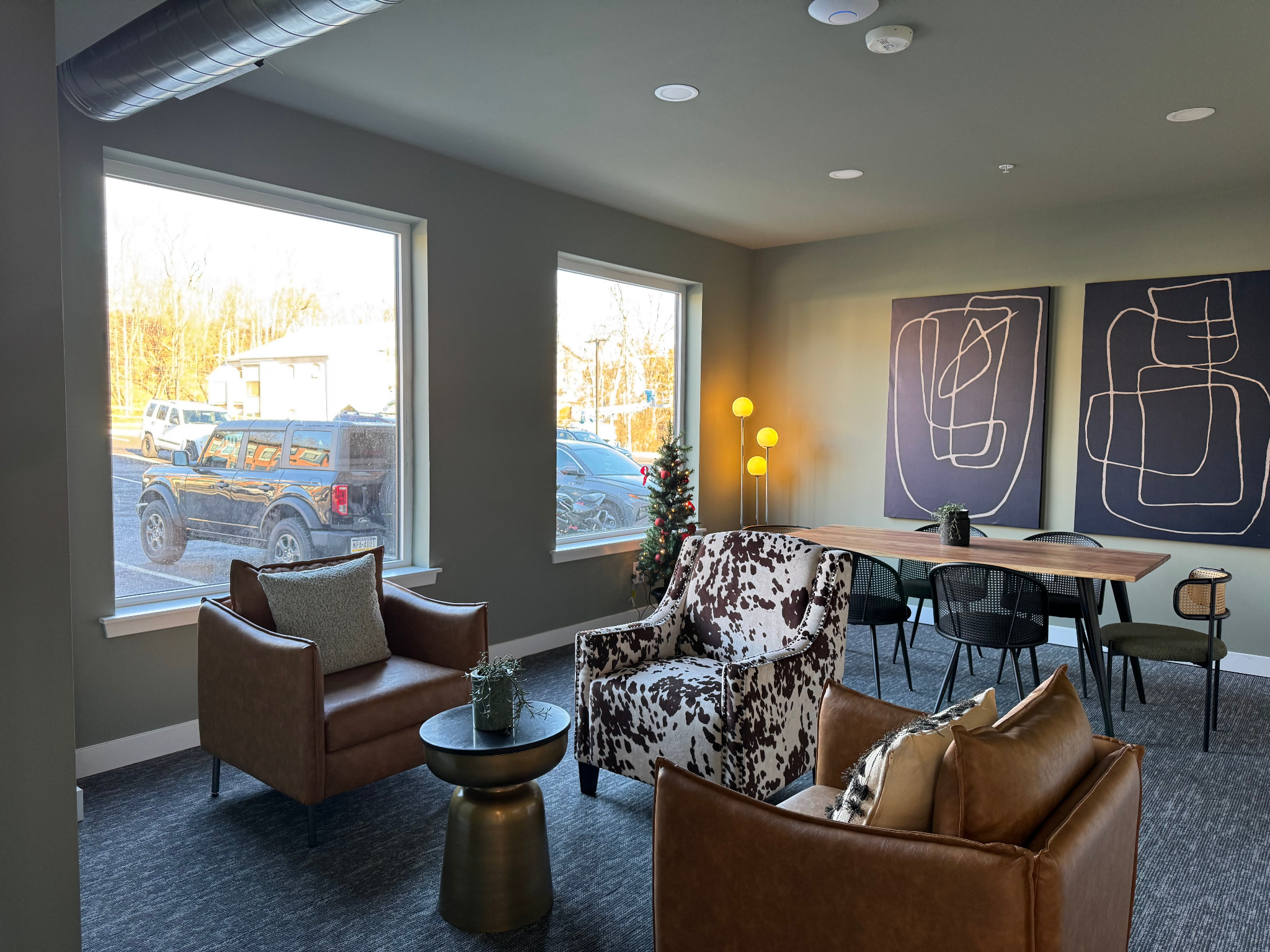
Fixed windows make the most sense when a room needs daylight, a broader view, or a larger glass surface, but does not rely on that opening for everyday ventilation.
Large living areas
In living rooms, fixed glazing is often the better choice when the goal is to open up the view or bring in more daylight. A single fixed pane usually creates a cleaner result than breaking the opening into multiple operable sections, and it often improves insulation at the same time.
High or hard-to-reach spaces
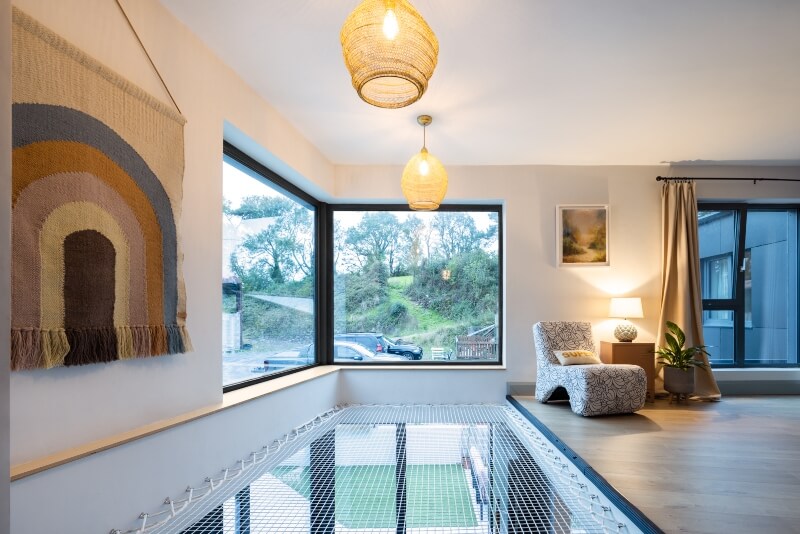
Fixed windows are also a smart fit for two-story spaces, stairwells, and high wall areas. These locations benefit from added light, while access to the sash is rarely necessary.
Picture-window combinations
A fixed center pane paired with smaller operable units on the sides is one of the most practical layouts. The larger glass area carries the view, and the side windows provide ventilation where it is actually needed.
Rooms with multiple windows
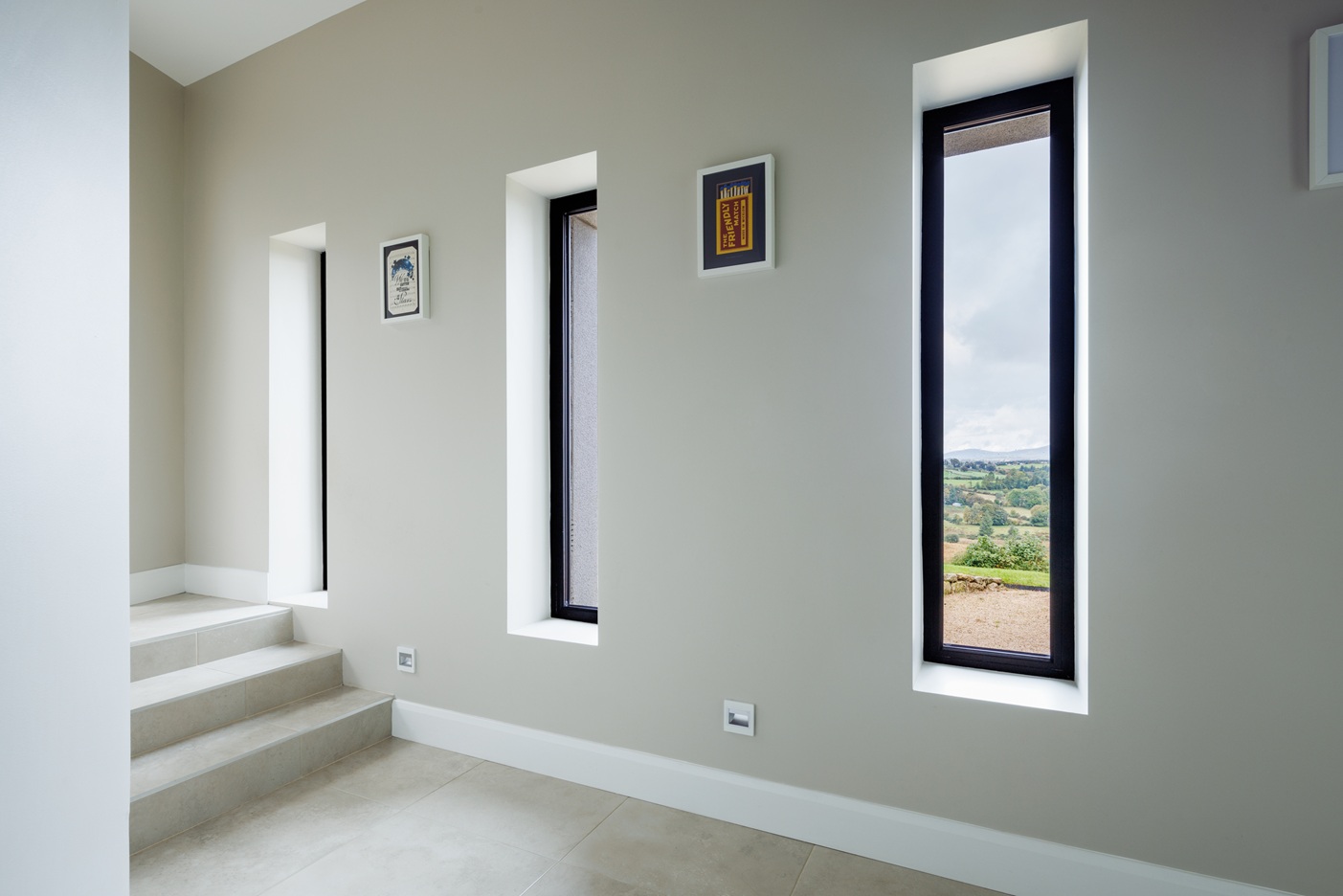
In rooms with several openings, not every unit needs to operate. Fixed glazing can be used where airflow matters less, while operable windows are reserved for the locations that people use most often.
One important limit
Fixed windows are one part of a complete window plan. Homes still need natural ventilation, and some rooms require egress to meet code. The best layouts use fixed glazing where it adds the most value and operable windows where the room needs access and airflow.
Which windows pair well with fixed glazing
Fixed windows need an operable partner wherever ventilation matters. The question is which system complements them most effectively.
Tilt and Turn windows are often the most efficient match for fixed glazing, especially in homes built around larger glass areas. A single operable unit can provide the ventilation a room needs, while surrounding fixed panes preserve the view and reduce potential air leakage.
Tilt and Turn windows also make cleaning easier in taller window groupings because the sash can be accessed from inside. This combination gives homeowners more control over how each opening functions. Fixed panes can be placed where light and sightlines matter most, while operable windows are used only where airflow is needed.
OKNOPLAST supports this approach with matching fixed and Tilt and Turn systems that can be configured in the same finish, proportions, and glazing package. That consistency matters in elevations where large glazed areas need to feel resolved rather than pieced together.
Why fixed windows work best in combination
Fixed windows do their best work when they are part of a larger plan. They can carry the view, expand the glass area, and help maintain a tighter building envelope, but they are only one part of what a room needs.
OKNOPLAST makes this easy to plan with custom combinations of fixed and Tilt and Turn windows that align in finish, proportion, and glazing. If you are weighing different window types for a renovation or new build, find an OKNOPLAST dealer near you to discuss the right layout for your home.
FAQ
Fixed windows are used to bring in natural light and frame views without providing ventilation. They work well in large living areas, stairwells, and other spaces where airflow is handled by other windows.
Often yes. Because fixed windows do not open, they have fewer gaps where air can leak, which can improve insulation and overall thermal performance.
Yes. Fixed windows are often paired with Tilt and Turn custom windows to maintain large glass views while still allowing ventilation and easy cleaning where it is needed.


Let’s talk about your project!
Request a quote, discuss specifications, or get help choosing the right system
Send a request
"*" indicates required fields