


OKNOPLAST Team
The OKNOPLAST Editorial Team Our editorial team is made up of experts in windows and doors, modern technology, and industry trends. With years of experience in product engineering and innovation, we deliver valuable insights that help readers understand the functionality, design, and benefits of our solutions. Our mission? To educate, inspire, and empower.
Author's articles

uPVC and aluminum windows and doors differ at the material level in ways that show up directly in published performance data: OKNOPLAST’s uPVC systems (PAVA, PIXEL, COMPACT, HORIZON) carry published U-Factor and, in the case of the two patio doors, DP rating figures, while the aluminum line (MIRU EVO windows and the Aluview patio door family) does not currently carry published U-Factor or DP data in US technical documentation.

Patio doors with a Design Pressure (DP) rating of 30 to 60 psf – the range tested for the OKNOPLAST HORIZON Lift and Slide Patio Door – are engineered to resist the structural wind loads typical of coastal residential construction.
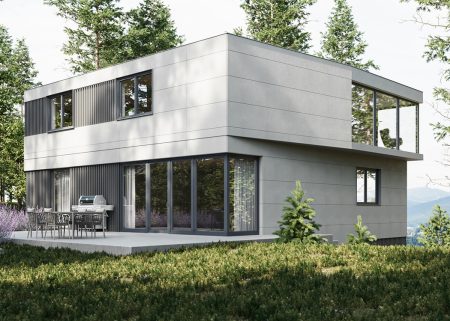
The pull toward natural light and open air isn’t a passing preference. It’s one of the oldest instincts in how people choose to live, and it shows up in small decisions long before it shows up in a finished room: which wall gets the window, how wide a door swings, whether a threshold interrupts the floor or lets it run straight through to the patio.
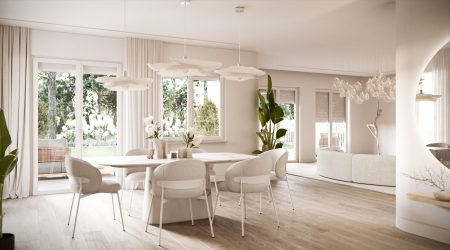
OKNOPLAST’s US door line covers three materials-and-operation categories: uPVC entry doors in Basic and Premium tiers, uPVC and aluminum sliding and lift-and-slide patio doors, and an aluminum bi-fold system supporting up to 9 moving sashes.
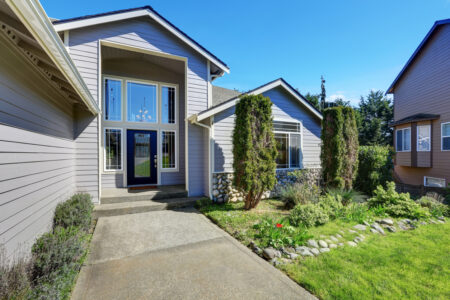
RC1 and RC2 burglary-resistance hardware is confirmed and documented for PAVA and PIXEL tilt and turn windows and for HORIZON, OKNOPLAST’s uPVC lift and slide patio door – but not for every product in the US catalog.

PAVA and PIXEL support round, trapezoidal, triangular, and arched window configurations within the same profile families as their standard rectangular units, with published dimension limits, angle calculations, and radius constraints – data that competing manufacturers publishing custom shape windows generally do not disclose at this level of detail.
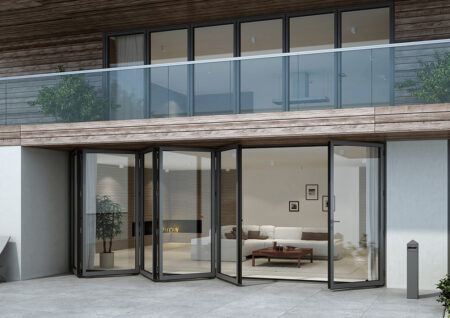
Bifold doors transform a wall into a wide, open connection to the outdoors, letting a kitchen flow onto a patio or a living room expand into the backyard. With home design increasingly focused on entertaining, creating that seamless transition has become a key architectural goal.

Did you know that inefficient windows can account for up to 25–30% of residential heating and cooling costs? This isn’t a made-up number. It comes from the U.S. Department of Energy.
The glass itself often silently drains your home’s energy, especially if you’re still living with single-pane or outdated double-pane units. When window glass isn’t built to insulate or manage condensation, your HVAC system works overtime. That means higher bills, more drafts, and less control over your indoor environment. That’s why we’ve put together this short checklist to assess the condition of your windows.

Do most of your U.S. projects start with familiar window styles like double-hung, sliding or casement? The European Tilt & Turn system offers a higher-performance alternative with a different operating logic. It uses the same basic parts of a window – frame, sash, glazing, hardware and seals – but makes them work together in a different way. Let’s look at what changes.