


How to Choose the Right Material for Bifold Doors
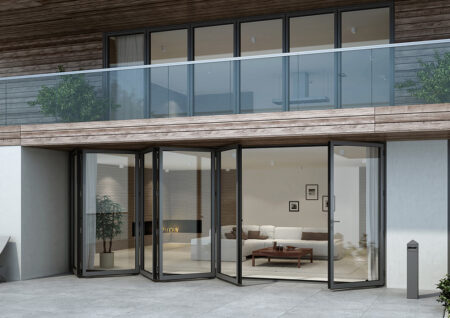
Bifold doors transform a wall into a wide, open connection to the outdoors, letting a kitchen flow onto a patio or a living room expand into the backyard. With home design increasingly focused on entertaining, creating that seamless transition has become a key architectural goal.

Did you know that inefficient windows can account for up to 25–30% of residential heating and cooling costs? This isn't a made-up number. It comes from the U.S. Department of Energy. The glass itself often silently drains your home's energy, especially if you're still living with single-pane or outdated double-pane units. When window glass isn't built to insulate or manage condensation, your HVAC system works overtime. That means higher bills, more drafts, and less control over your indoor environment. That’s why we’ve put together this short checklist to assess the condition of your windows.
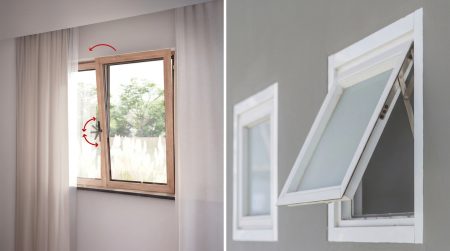
Awning windows have been a familiar choice for years. They are compact, simple to use, and often seen as a practical option for bathrooms, basements, and other smaller spaces. But once homeowners start comparing window systems more closely, the choice is not always as straightforward as it seems.
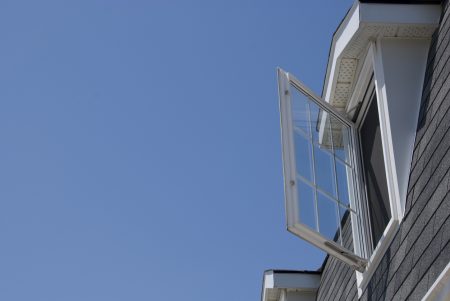
The front door is often the first detail people notice about a home. Accessories, such as steel accents, glass inserts, finishes, and hardware, define the character of the entrance while adding long-term value. Choosing the right set creates a door that looks modern and withstands daily use. In this article, we will break down which accessories can make the biggest impact on your front door.
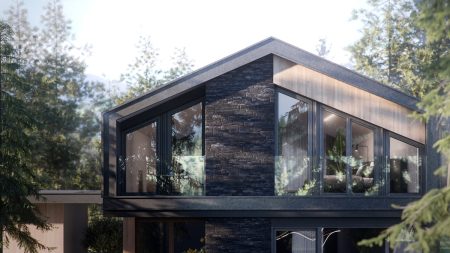
For decades, Tilt and Turn windows have been a go‑to in European homes because they combine a clean look with everyday versatility. Now they’re changing how U.S. homeowners, architects, and developers think about windows and doors, from single‑family houses to multi‑family buildings.
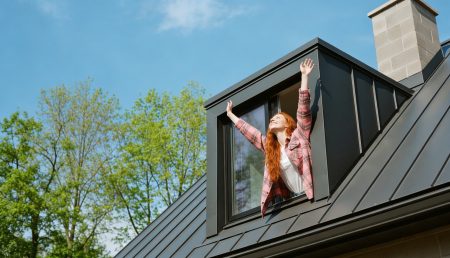
Dormer windows have been solving the same problem for centuries: how to make upper floors livable. What started as a simple way to bring light and air into cramped attic bedrooms has evolved into one of the most versatile architectural features in residential design.

Rising utility costs and tightening building codes are driving demand for sustainable building products. Homeowners and builders now seek solutions that deliver style, functionality, and serious energy savings in a single product. Tilt and Turn windows have become a go-to solution to meet this demand. Through high-performance European design and eco-responsible production, at OKNOPLAST we are redefining expectations for modern windows.

During a recent webinar, Matt Risinger, host of The Build Show and one of the most trusted voices in American construction, joined Oknoplast experts Dominic Marichko and Tim Burbank to explain why European window technology is not a luxury upgrade, but a practical engineering response to climate, energy, and acoustic challenges. Here are five key lessons from that conversation.

Hailstorms are becoming more frequent and more severe, especially in areas like Texas and Oklahoma. For many homeowners, that means a higher risk of property damage, and windows are often the first to break. Insurance can help cover the cost of repairs, but it won’t prevent the damage. That’s why more people are looking for long-term protection. In this article, we’ll explain how choosing the right Tilt and Turn windows can help protect your home from hail damage and other extreme weather events.

When it comes to energy‑efficient windows, what’s between the panes matters just as much as the frame or glass itself. The sealed space is often filled with a noble gas such as argon, krypton, or xenon. Each one is invisible but plays a clear role in insulation and comfort. Choosing the right gas filling can significantly impact heating bills, indoor temperatures, and long-term performance.