


What Homeowners Ask Before Buying: 10 Questions About European Windows Answered
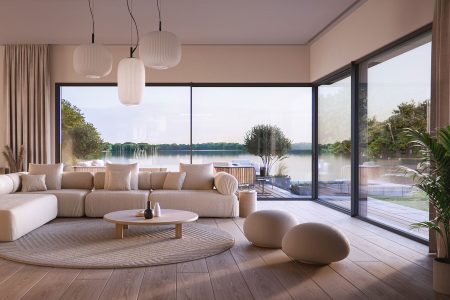
Buying windows is one of those decisions that looks simple until you start comparing specifications. Frame material, glazing, U-Factor, hardware, installation, warranty and lead time can quickly turn into a long list of questions.

If your project is near a highway or airport, the right windows can make a noticeable difference indoors. In some high-performance configurations, noise reduction can reach several tens of decibels.
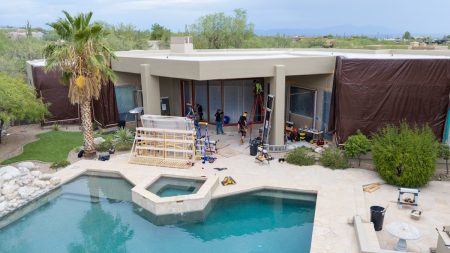
Replacing roughly 60 windows in an Arizona residence is a serious undertaking, especially when one opening spans more than 20 feet and turns at a 135-degree angle. The windows had to work in the Arizona climate, accommodate the unusual geometry and handle the scale of the openings — without compromising the architecture. Find out exactly why architect Steve Baczek chose OKNOPLAST MIRU Evo Steel for the job.
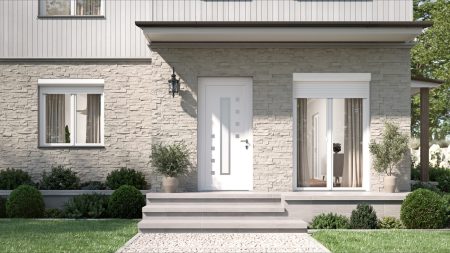
Climate varies widely across the US, and windows have to handle very different conditions from one region to another.
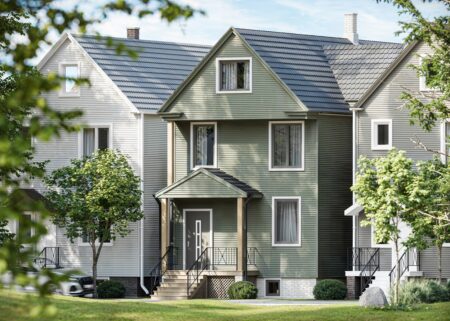
Window color and finish can reinforce a home's architectural character or work against it.

A window can have an impressive U-Factor and still be the wrong choice for a Passive House project.
ENERGY STAR window ratings make it easier to compare residential windows using standardized NFRC performance data.

At first glance, tilt-and-turn windows, double-hung windows, casement windows, and sliding windows all do the same job-they let in natural light, fresh air, and views.

Triple-pane windows do more than lower energy bills-they help create a quieter, more comfortable home by reducing outdoor noise.

European windows aren't harder to install in a US-framed home-they just require a different installation approach.